
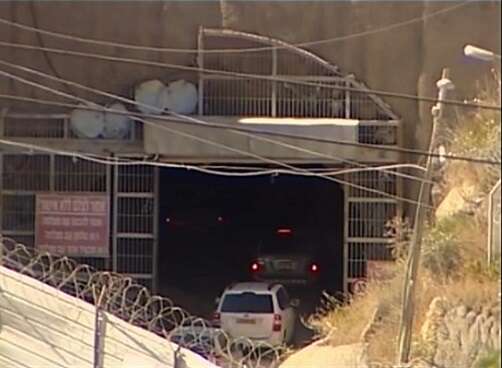
The Diplomatic-Security Cabinet, a forum of senior ministers headed by Prime Minister Benjamin Netanyahu, has begun holding its weekly meetings in a secure underground bunker in Jerusalem, Israeli media outlets reported on Tuesday.
Built at Netanyahu's request in accordance with the recommendations of the Winograd Committee following its inquiry into Israel's management of the 2006 Second Lebanon War, the National Management Center to cost hundreds of millions of shekels to build. Known as the "judgment day" bunker and designed to withstand a nuclear attack, it was carved out beneath the government complex in Jerusalem and includes living quarters as well as command facilities. It was first used by the security cabinet in 2011 to rehearse a national crisis scenario.
Reports of the move to the bunker come amid rising tensions with Iran.
Israel this month accused Iran of firing rockets from Syria into the Israeli Golan Heights and struck back with its heaviest airstrikes in Syria since the start of the Syrian civil war in 2011.
Meetings of the security cabinet, usually held at the Prime Minister's Office in Jerusalem, are already generally held out of the public eye.
Channel 10 News said that with no cellular reception in the underground bunker, "cabinet ministers have told us that one of the main reasons for the move is Netanyahu's wish to try even harder to prevent leaks and because of fears of spying attempts by hostile foreign parties."
Cabinet discussions are set to become increasingly sensitive in the near future in light of the U.S. withdrawal from the Iran nuclear deal and concerns over Iranian entrenchment in Syria. Cabinet members have been told to arrive at the underground bunker alone.
The cabinet is set to hold its sessions in the bunker until July, a media source said.
The group of 11 ministers has already held several meetings at the facility, including one on May 6 following alleged Israeli airstrikes on Iranian targets in Syria. At that meeting, the ministers were informed of Iran's plans to launch a missile attack on the Golan Heights in retaliation for the strikes. A few days after the underground meeting, Iran followed through with its plans, launch dozens of rockets at the Golan Heights, most of which were successfully intercepted by the Israel Defense Forces.
Earlier, the cabinet met in the bunker ahead of U.S. President Donald Trump's visit to Israel in May 2017.
The Prime Minister's Office declined to comment on the reports.


