
Israeli doctors last month performed high-risk transplant surgery on a Palestinian toddler and saved his life, Channel 12 News reported over and weekend.
Two-and-a-half-year-ole Abd al-Karim Abu Grad was born with a hereditary kidney disease that soon rendered him with kidney failure and began dialysis treatments while he was only a few weeks old.
Follow Israel Hayom on Facebook and Twitter
His tiny body found it hard to cope with the grueling dialysis regime, and his illness soon became life-threatening. Treating him became harder when the Palestinian Authority ceased all civilian cooperation with Israel.
Ramallah's move came in response to Israel's plan to extend sovereignty to large parts of Judea and Samaria and the Jordan Valley. As the Palestinian Authority would arrange for patients from Gaza to cross into Israel and partially subsidize their care, the move had a dire effect on many patients in need of treatment in Israeli hospitals.
Worse still, while the boy's mother was deemed a suitable donor for him, once the coronavirus pandemic hit Israel and the Gaza Strip all live-donor procedures were suspended.
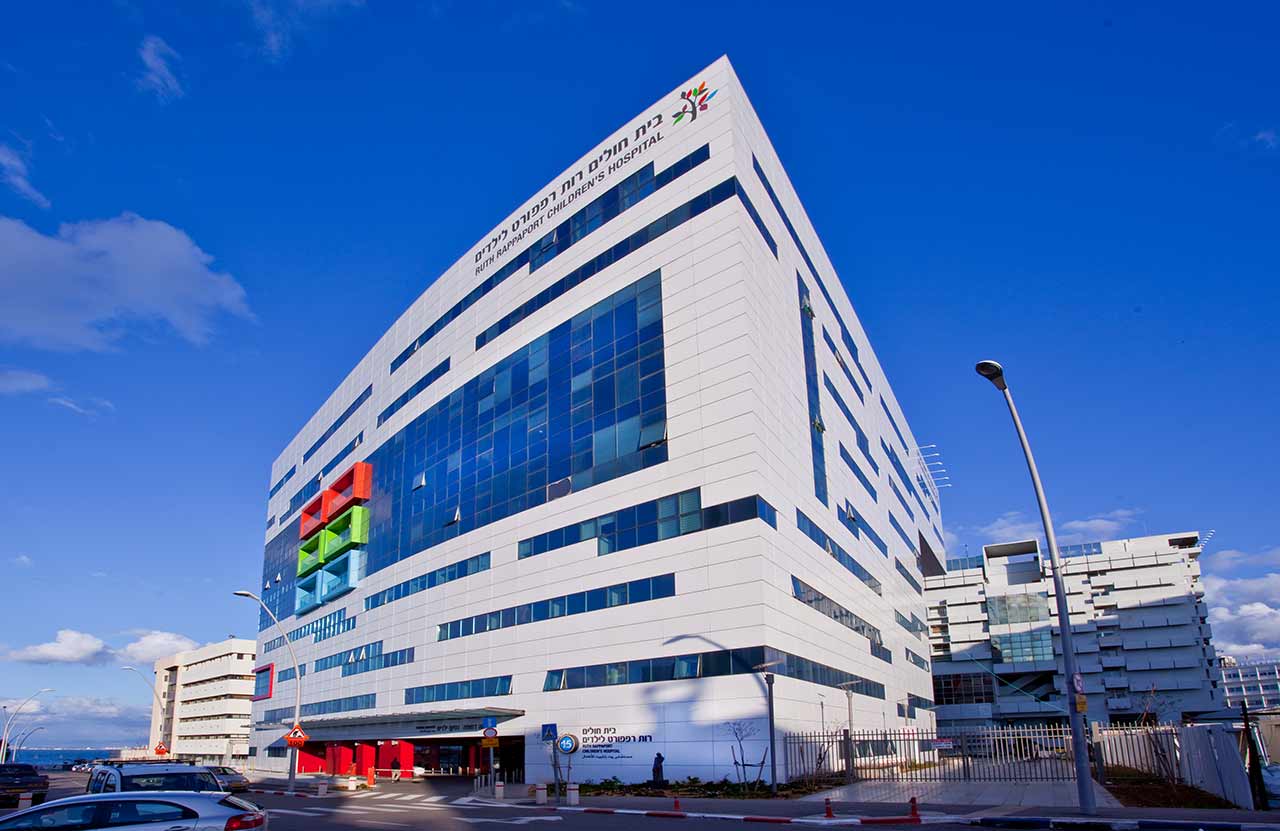
According to Channel 12 News, last year, the Palestinian Health Ministry facilitated Abd's transfer to the Rambam Medical Center in Haifa, where a team of pediatric nephrologists was able to formulate an innovative dialysis regime that allowed him to undergo treatment while still going home to his family in Gaza.
Late last year, however, he began suffering from infections and had to be hospitalized in Rambam, where the regular dialysis treatments were replaced with hemodialysis – a treatment that cannot be performed on the same level in Gaza.
Doctors then recommended that he and his mother remain in Israel, allowing Abd – then just two years old – access to life-saving treatments while he becomes strong enough to undergo transplant surgery.
He and his mother remained in Israel for eight months, away from his father and seven siblings, the report said.
But by the time Abd was ready for the transplant surgery, the Palestinian Authority had suspended its financial contribution for such procedures.
According to Channel 12 News, Rambam's administration immediately began looking for alternative funding for the procedure, and its Palestinian patients' transplant coordinator reached out to the Think about Others Association, an NGO dedicated to helping get urgent medical treatment to those in needs.
The NGO was able to raise the funds for the transplant from private donors in under a week.
But then, the coronavirus pandemic erupted, shutting down all live-donor procedures not only in Israel but worldwide.
In early May, when restrictions on these procedures were lifted in Israel, doctors at Rambam wasted no time and began adjusting Abd's treatment to ready him for the transplant.
It finally took place last month and was hailed as a success.
"I was never made to feel anything but welcome and much more, Abd's mother told Channel 12 News. "The doctors here saved my baby."
Dr. Daniella Magen, director of the Pediatric Nephrology Institute at Rambam's Ruth Rappaport Children's Hospital, said that Abd will still have to be under close medical supervision.
"He and his mother will stay in Israel for the next two months to we can run tests and observe him properly. After he goes home to Gaza, he'll have to come back for monthly checkups," she told Channel 12.
Adult-to-child kidney transplants are highly complex procedures, but according to the doctors, Abd's body is showing all the signs of accepting the organ in full.
Subscribe to Israel Hayom's daily newsletter and never miss our top stories!