


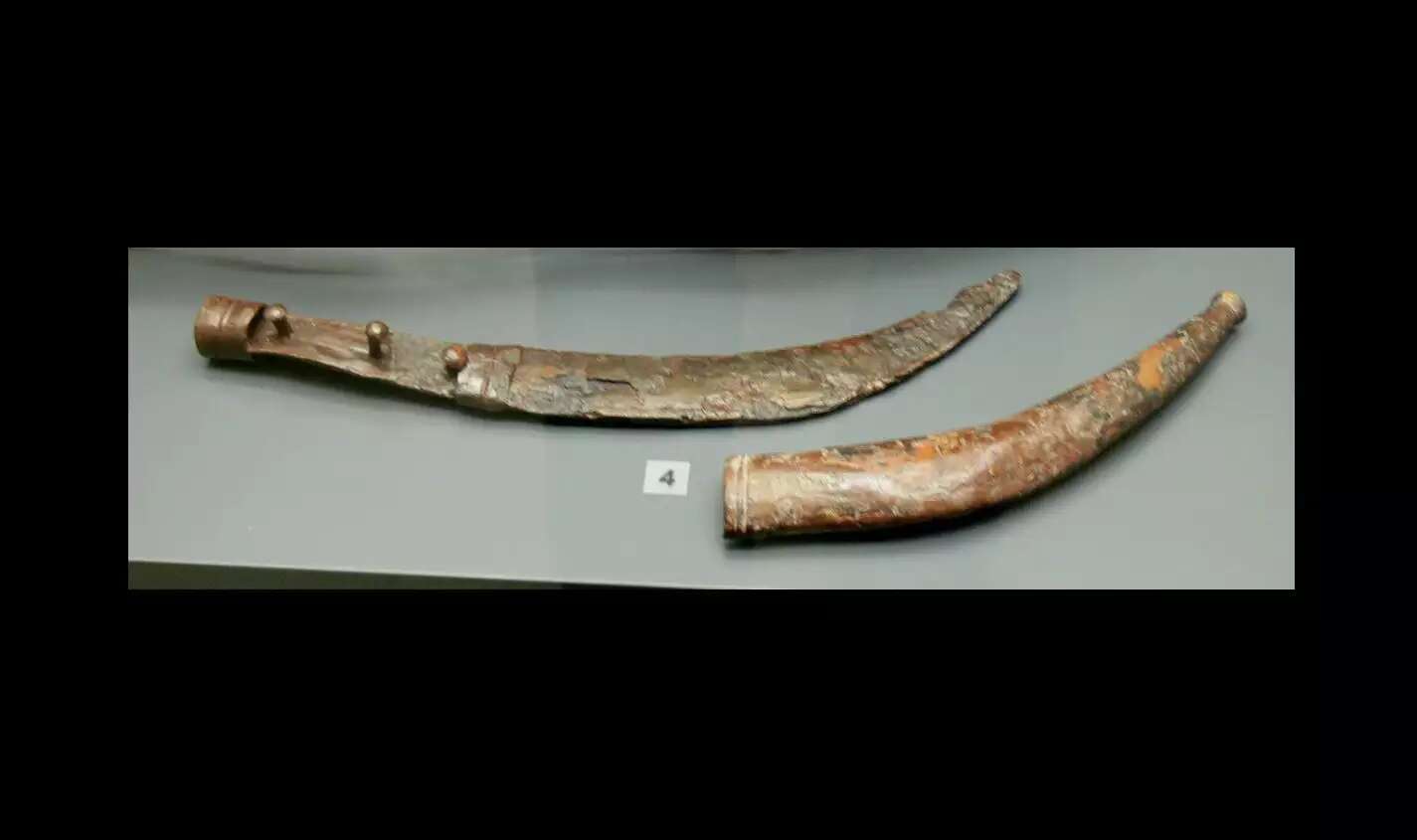
During the Roman rule in the Land of Israel, a small yet violent group of Jewish rebels terrorized the streets of Jerusalem. The Sicarii, named after the short, curved dagger they carried ("sica" in Latin), were known for their brutal terror tactics and their determination to fight against Roman rule and its supporters.
Their story, which combines religious zealotry, national struggle, and extreme violence, continues to fascinate scholars and archaeologists to this day. So if you thought that the Jewish people's involvement in assassinations and targeted killings only began with the establishment of Israel and the creation of the Shin Bet and Mossad, it turns out that there is a long and ancient history to this practice.
Historical sources and archaeological evidence
Historical sources, primarily the writings of Josephus Flavius, describe the Sicarii as an extremist group that emerged from the Zealot movement. While the Zealots advocated active resistance against the Romans, the Sicarii took it a step further: they believed that only through extreme violence could the Romans be expelled from the Land of Israel and an independent Jewish kingdom reestablished.
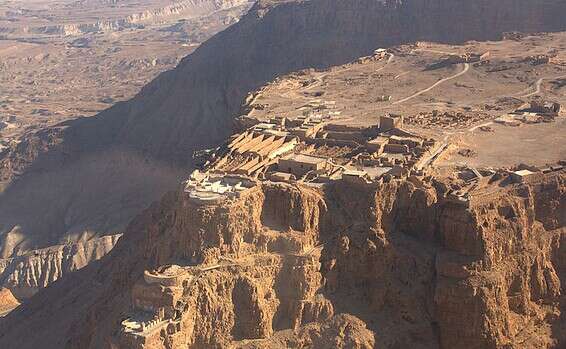
In addition to written sources, archaeological findings provide further insights into the activities of the Sicarii. Excavations at Masada, which began in the 1960s, uncovered significant evidence of their presence at the site. Coins inscribed with "For the Freedom of Zion," weapons including swords, bows, and arrows, and fragments of papyrus with Hebrew inscriptions were found.
Tactics of terror and violence
The Sicarii employed methods that included assassinations, kidnappings, and other acts of violence. They would blend into crowds during festivals and holidays, when the city was bustling with people, and stab their opponents using the sica, the short dagger easily concealed under their clothing. After committing the murder, they would join the shocked crowd and feign innocence, making it very difficult to capture them.
It should be noted that the Sicarii's victims were not only Romans but also Jews suspected of collaborating with the foreign rulers. One of their most notable victims was Jonathan ben Ananus, the High Priest, who was murdered in 56 CE.
Archaeological excavations in Jerusalem have uncovered indirect evidence of the Sicarii's activities, dating to the period of the revolt, including weapons such as arrowheads and sling stones. The Israel Museum displays a short Roman dagger from the first century CE, which may resemble the type of weapon used by the Sicarii.
Role in the Great Revolt
The Sicarii played a significant role in igniting the Great Revolt against Rome in 66 CE. They were among the first to attack the Romans in Jerusalem and took control of Masada during the revolt, turning it into their stronghold.
However, it's important to note that the Sicarii did not hesitate to harm other Jews. They burned granaries and food stores in Jerusalem to force its inhabitants to join the revolt and attacked Jewish settlements that refused to support their cause.
Archaeological findings from the caves in the Judean Desert, including coins from the revolt period and documents concerning land and property matters, provide additional insights into this turbulent time and shed a not-so-positive light on the activities of the Sicarii.
Their Tragic End
After Jerusalem fell to the Romans in 70 CE, the Sicarii retreated to Masada. They held out for about three years until the Romans managed to breach the fortress's walls. According to Josephus Flavius, when they realized defeat was imminent, the Sicarii chose mass suicide over falling into the enemy's hands.
Archaeological findings at Masada corroborate parts of this story, with evidence of a major battle at the site and preparations for a prolonged siege. However, the exact interpretation of these findings remains a subject of debate among scholars.
A Controversial Legacy
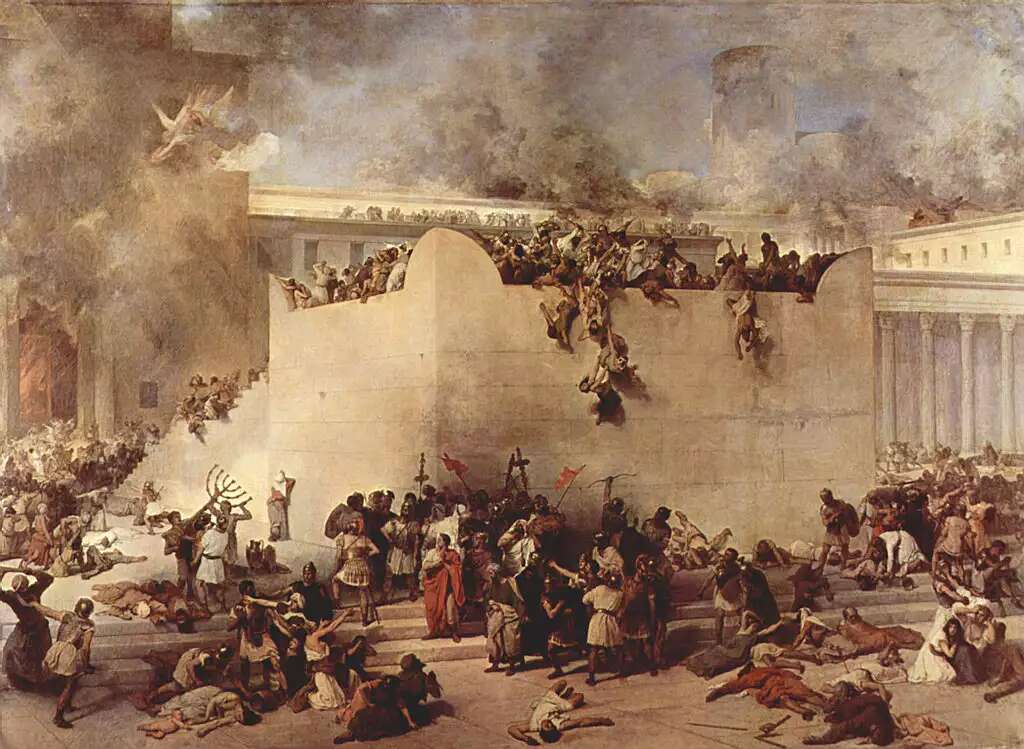
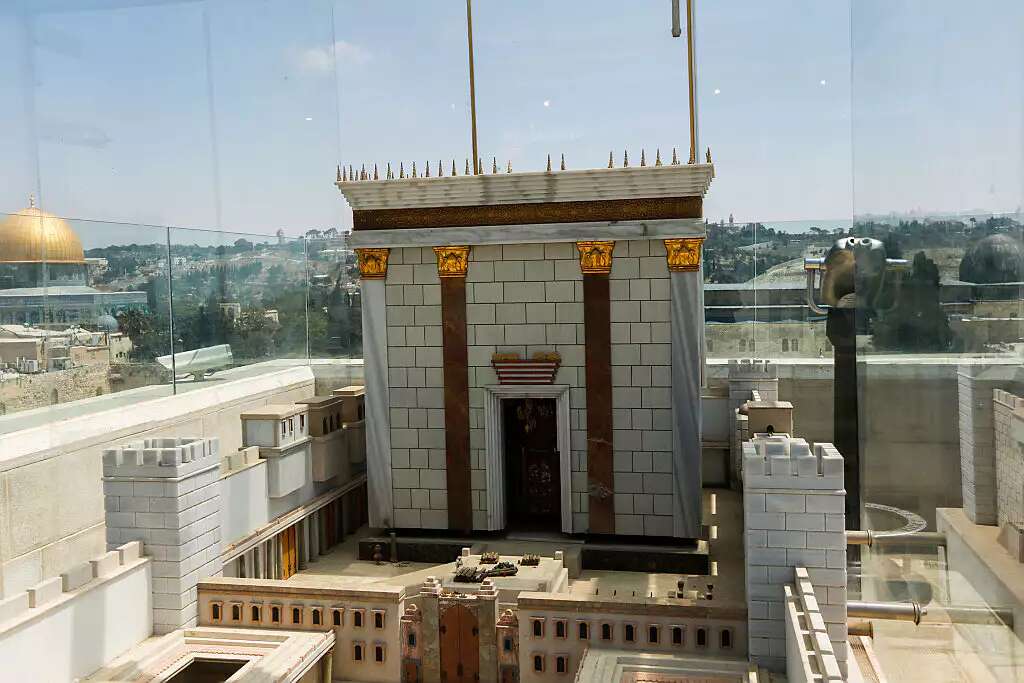
The Sicarii remain a topic of discussion and controversy among historians and scholars of Judaism. While some view them as brave freedom fighters who resisted foreign occupation, others consider them an extremist terrorist group that contributed to the destruction of the Second Temple and the Kingdom of Judah.
Inscriptions from the period, such as one found on a shard in the City of David excavations reading "For the Freedom of Jerusalem," reflect the revolutionary atmosphere of the time but also highlight the heavy cost of the revolt.
What is clear is that the Sicarii were a significant force during a tumultuous period in Jewish history. The combination of archaeological evidence and historical sources provides a rich and complex picture of their activities and the period of the Great Revolt overall.


