The situation in Gaza is one of the most contentious issues of our time, with accusations of war crimes flying between conflicting sides. The debate often centers on whether Israel is intentionally targeting civilians or conducting military operations within the framework of international law. This article aims to dissect the complex layers of this issue, exploring the definitions of war crimes, the actions of both Israel and Hamas and the broader implications of the conflict.
The recent escalations in violence, particularly following the attacks by Hamas on October 7, 2023, have reignited discussions about war crimes. The brutal nature of these attacks, which resulted in the deaths of thousands of Israeli civilians, shocked the nation and led to a strong response from Israel. The Israel Defense Forces (IDF) launched airstrikes on Gaza, prompting immediate accusations of war crimes from critics around the world.
This ongoing conflict has multiple fronts, including the battlefield and the digital space, where narratives are shaped and misinformation can spread rapidly. The emotional weight of the language used – terms like "war crimes"– can obscure the legal definitions and the realities on the ground. Understanding the context of these accusations is crucial to navigating the complex landscape of international law and military ethics.

What constitutes a war crime?
To assess whether Israel's actions meet the legal definitions of war crimes, we must first understand what constitutes a war crime. According to international law, particularly the Geneva Conventions, war crimes include intentional targeting of civilians, using human shields, taking non-combatants as hostages, and torture of prisoners.
While Hamas has employed tactics that violate these laws, such as using civilians as human shields and conducting indiscriminate attacks, the focus here is on Israel's actions. The IDF has repeatedly stated that their airstrikes are not aimed at civilians but rather at military targets associated with Hamas. The critical question becomes: Are these actions intentional war crimes or lawful military operations?
Does Israel intentionally target civilians?
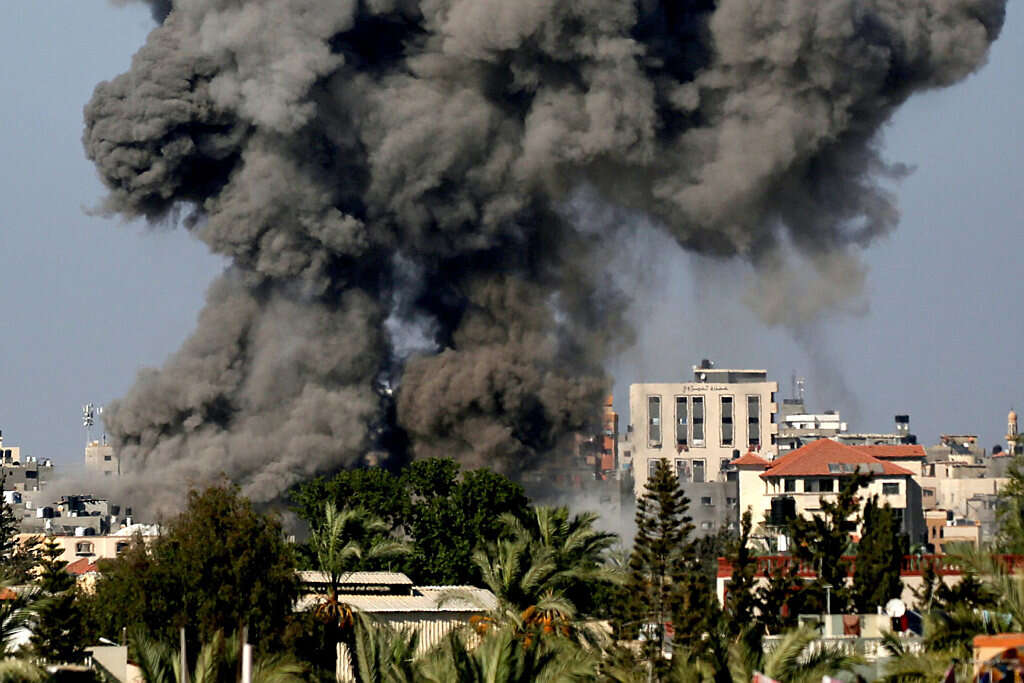
One of the main arguments against Israel is that its military operations result in significant civilian casualties, although the figures are based on Hamas' claims, which are highly unreliable. Reports indicate that some of the casualties in Gaza are civilians, including women and children. This raises the question of whether the IDF's actions amount to war crimes. However, the legal definition hinges on intent. If the intention behind the airstrikes is to target Hamas and not civilians, then they do not constitute a war crime.
The IDF has issued evacuation orders to civilians in Gaza and has taken measures to minimize collateral damage. These actions suggest an intention to avoid civilian casualties. While the tragic reality of civilian deaths cannot be overlooked, the distinction between intentional targeting and collateral damage is crucial in determining the legality of military actions.
Inflated numbers
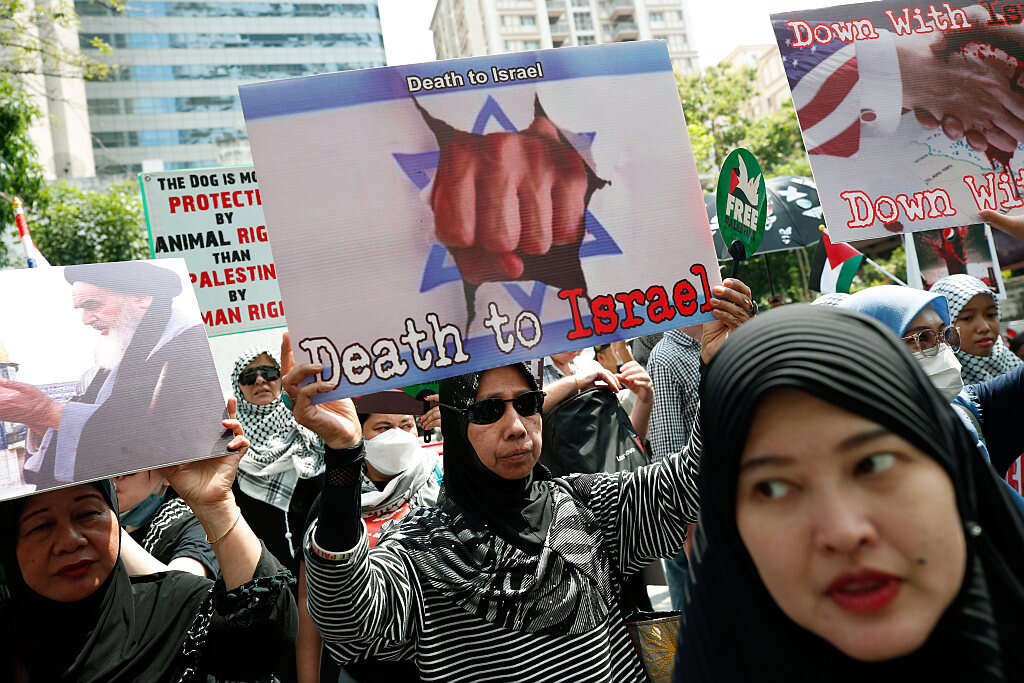
The Health Ministry of Gaza, while sounding official, is run by Hamas just like every other ministry in Gaza. The more Gazan civilians die, the stronger and more legitimate Hamas support gets. To this end, it makes sense that Hamas would inflate the civilian death toll to garner international and domestic support. This must be taken into account when studying their figures.
Disproportionate force
Critics often highlight the disproportionate nature of Israel's response to Hamas attacks. The stark contrast in casualties raises ethical and legal dilemmas. However, proportionality in warfare does not equate to an equal number of casualties on both sides. Instead, it involves assessing whether the anticipated civilian damage is proportionate to the military advantage gained from the operation.
Blowing up a civilian building that harbors terrorists is not a war crime, even if civilian life will be lost. In practical terms, this means that while civilian casualties are tragic, they do not automatically indicate a war crime if the military objective is deemed necessary and justified. The IDF's rationale for its strikes is always rooted in the need to protect its citizens from Hamas.
Access to humanitarian aid
Another significant aspect of the conflict is the blockade and the access to humanitarian aid for Palestinians in Gaza.
The reality in Gaza is that Hamas has been diverting aid for its military purposes, complicating the situation further. Hamas uses international aid to further its terror and also sells it to Palestinians for a higher price. This has been corroborated by many frustrated Palestinians who have had aid stolen from them.
Hamas' governance of Gaza has led to significant challenges for the civilian population. Reports indicate that Hamas has been indifferent to the suffering of Palestinians, prioritizing military objectives over humanitarian needs.
Accusations of war crimes
Public perception plays a significant role in shaping the narrative around Israel's actions. Many people, driven by the propaganda of suffering in Gaza, may conclude that Israel is committing war crimes. However, it is essential to recognize that intention matters in international law. The accusations against Israel often overlook the context of its military operations and the stated goals of protecting its citizens.
The reality is that Israel would gain nothing by intentionally targeting civilians. The consequences of such actions would be catastrophic, not only for Israel's reputation but also for the safety of Jews worldwide. The ongoing conflict has led to a troubling increase in antisemitism globally. Accusations of war crimes against Israel often spill over into broader anti-Jewish sentiment, resulting in violence and discrimination against Jewish communities worldwide.