

A constant buzzing, a monotonous noise that somehow overpowers the sounds of gunfire, explosions, and tank engines. This hum, produced by the engines of dozens of drones of various types, has become the soundtrack of modern warfare, including Gaza's eastern Shuja'iyya neighborhood.
Along with a unit from the 202nd Battalion of the IDF's Paratroopers Brigade and a group of journalists, we observed the progress made by Israeli forces in a neighborhood that has become a symbol for Hamas, uncovering tunnels, shelters, explosives, and terrorists moving from ruin to ruin amid clouds of dust and debris. Just meters from the front lines, inside a partially destroyed building, sat the battalion's "fire team" – a small group of soldiers engaged in 21st-century warfare.

Inside a relatively clean room, the soldiers had set up a generator, fans, computer screens, and shelves packed with batteries, antennas, and a small but battle-hardened fleet of drones. These small drones, operating like miniature helicopters, have dramatically transformed the modern battlefield in recent years. Paz Buskila, the unit commander, said they received their first drone from the deputy battalion commander and learned during combat what they could do with the new equipment. "We started with one drone for observation. Over time, we expanded and upgraded the equipment. Now, not only can we accurately close fire loops, but we can also drop bombs from the drones," he explained.

Matan Green, a soldier in the team, was operating a drone while we talked. It was astonishing to see the battlefield laid out before him and what he could locate in the few minutes we conversed. I asked him where he learned to operate the tool, which provides real-time intelligence for the entire battalion. "I have some background in robotics from high school, but I mostly learned by watching videos of Ukrainian soldiers," he said. This wasn't surprising, as the war in Ukraine, which began with Russia's full-scale invasion in 2022, has become a testing ground for combat drones.
"Like a Western movie"
Drones are generally small, short-range unmanned aerial vehicles (UAVs) with propulsion similar to that of helicopters, using rotors for lift and speed. Military drones are divided into three basic categories based on their use, with many variations within each category. Intelligence-gathering drones, equipped with cameras—sometimes even infrared—help forces locate enemies and direct fire. They come in various sizes, from tiny reconnaissance drones that can enter buildings and tunnels to larger ones providing aerial views of entire combat zones with multiple cameras.
Video: Moment of a Ukrainian drone strike on a power station in Russia.
Bomb-dropping drones are fitted with mechanisms that release grenades or bombs, sometimes several, directly onto enemies below. The final category is suicide drones, usually fast, highly maneuverable racing drones loaded with explosives, essentially acting as guided missiles aimed at enemy targets with terrifying precision. It's no wonder the young soldier in Shuja'iyya was watching videos of drone operations in Ukraine. A quick online search reveals thousands of examples of how Ukrainians have perfected the small aircraft into fearsome weapons.
One of the key players in this chapter of military history is Cyclops. His real name is withheld, but he earned the nickname from his comrades due to his habit of closing one eye while flying drones, a nod to Greek mythology. When the Russians invaded southern Ukraine, Cyclops joined a small group of partisans in a desperate effort to stop the Russians from reaching the city of Odessa.
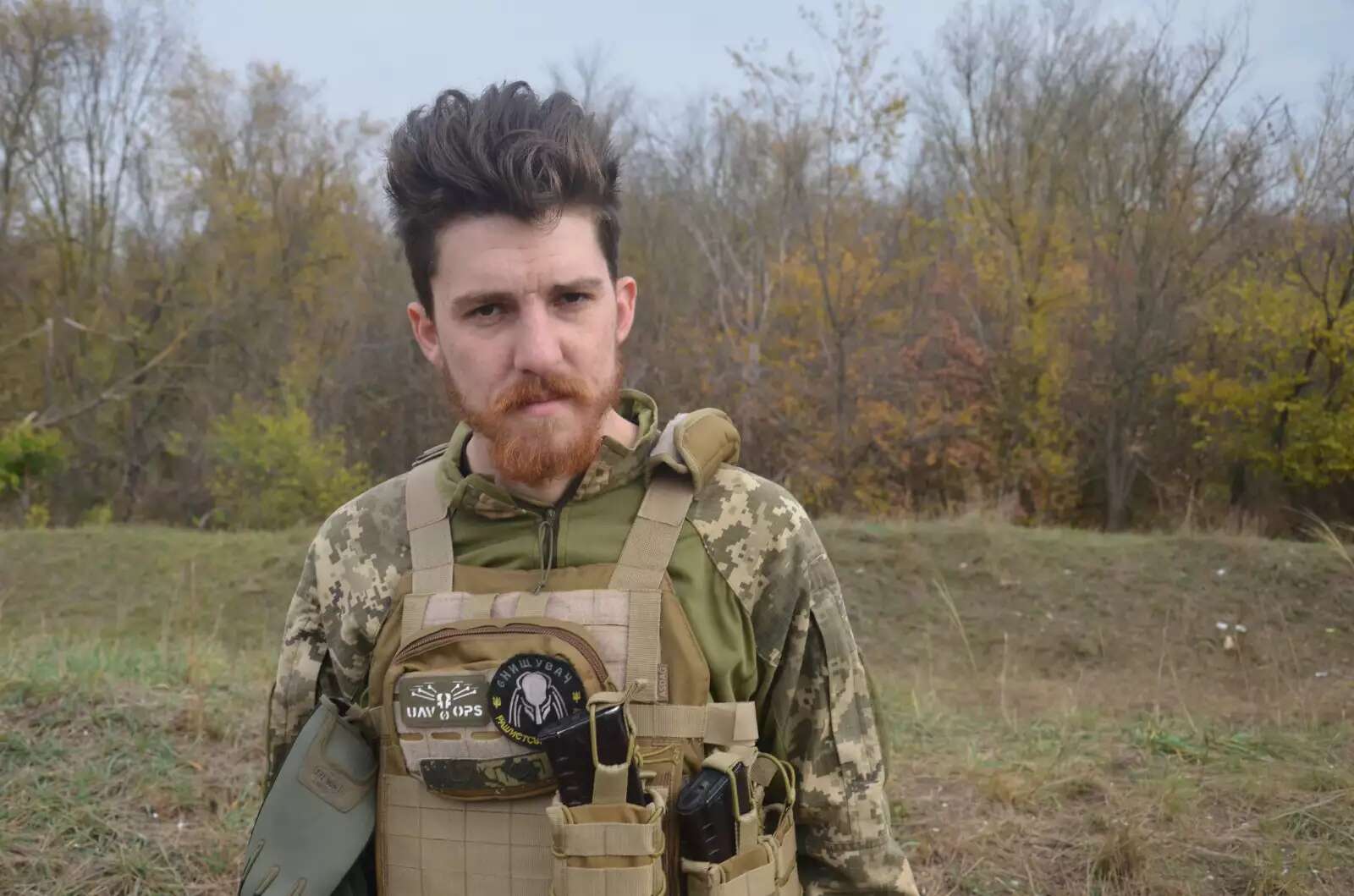
"I got into drones by accident. We found a large stash of drones and equipment in a Russian truck after ambushing a convoy in the early days of the invasion," he explained. "We were a group of partisans with makeshift weapons and worn-out gear, and our only goal was to prevent the enemy from establishing a foothold in our territory. It was like some kind of Western movie—we followed the enemy's tracks, ambushed them, and captured tons of trucks and military equipment."
Proper drone operation gave these inexperienced volunteers an advantage, allowing them to manage a highly effective defense. "We did this without any regular Ukrainian military presence alongside us. The enemy didn't expect partisans in southern Ukraine, and in those first days, we learned how to operate the drones and realized their immense potential for aerial reconnaissance and guiding our forces," Cyclops added.
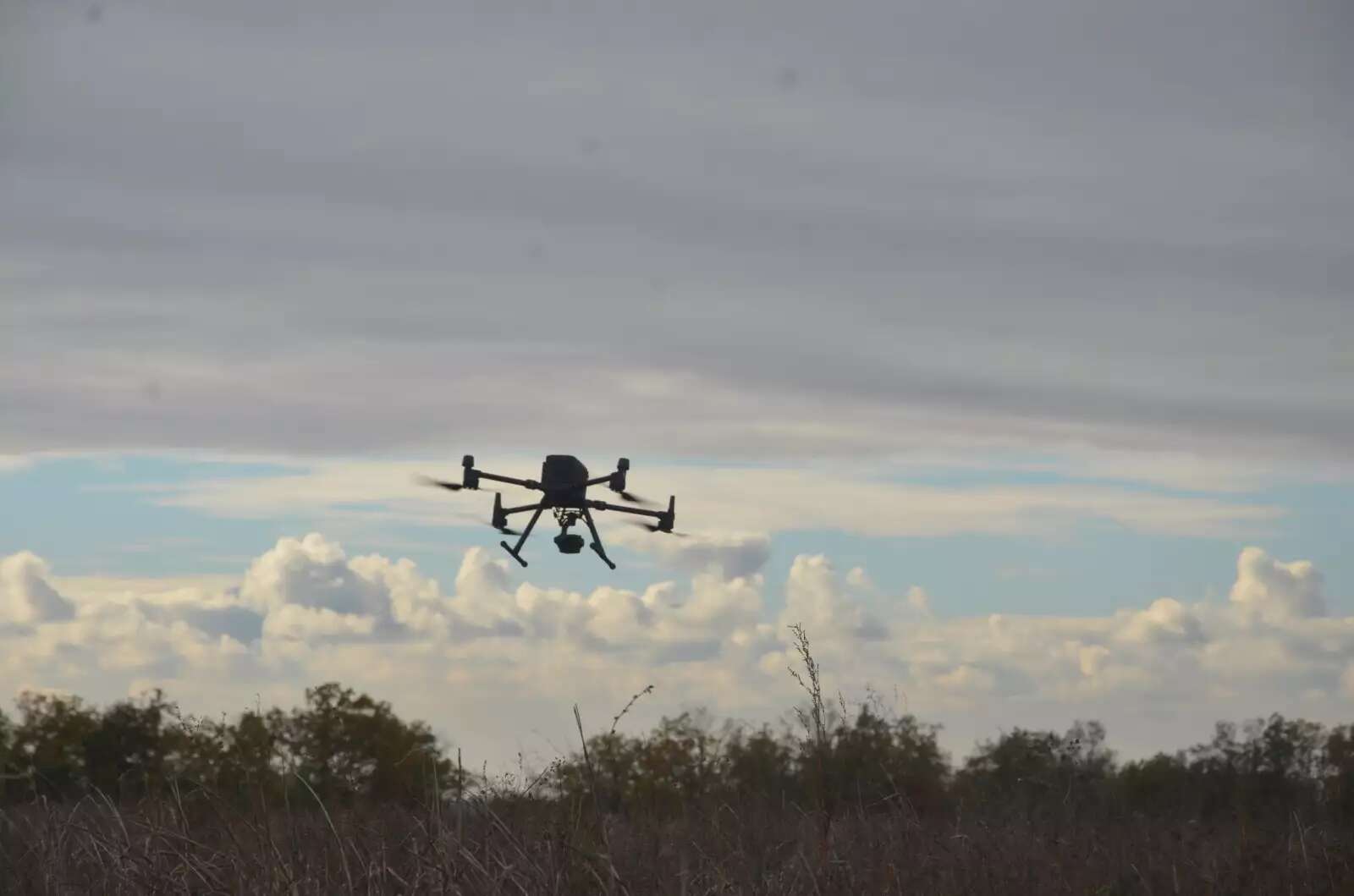
As the months passed and the war became more static, the importance of drones and their operators only grew. Makeshift workshops for producing and upgrading civilian drones were established, and experienced operators became hot commodities among military units. "In the beginning, there wasn't time or resources for organized training in drone operation or tactics. We learned everything ourselves in the heat of battle," Cyclops said, becoming a recognized name in the field. "With drones, you can conduct almost any military mission—gathering intelligence deep in enemy territory, supporting infantry on the move, counter-battery artillery fire, and guiding artillery strikes. You can attack enemy positions, destroy their vehicles, chase their soldiers, and force them to scatter or surrender. We've done all of that at different stages," he proudly shared.
"You become a big target"
Cyclops is part of an independent drone unit that operates alongside other forces, such as infantry, armored, and artillery units. This method differs significantly from the IDF's. "Our daily routine begins with checking our electrical systems, ensuring the batteries are charged, and all equipment works. We have dozens of batteries, antennas, controllers, and more, all requiring constant attention. Without them, nothing works," Cyclops said. "Each team needs a generator and a satellite link, usually through Starlink, to stay operational, and keeping this gear in good shape is just as important as having ammunition."
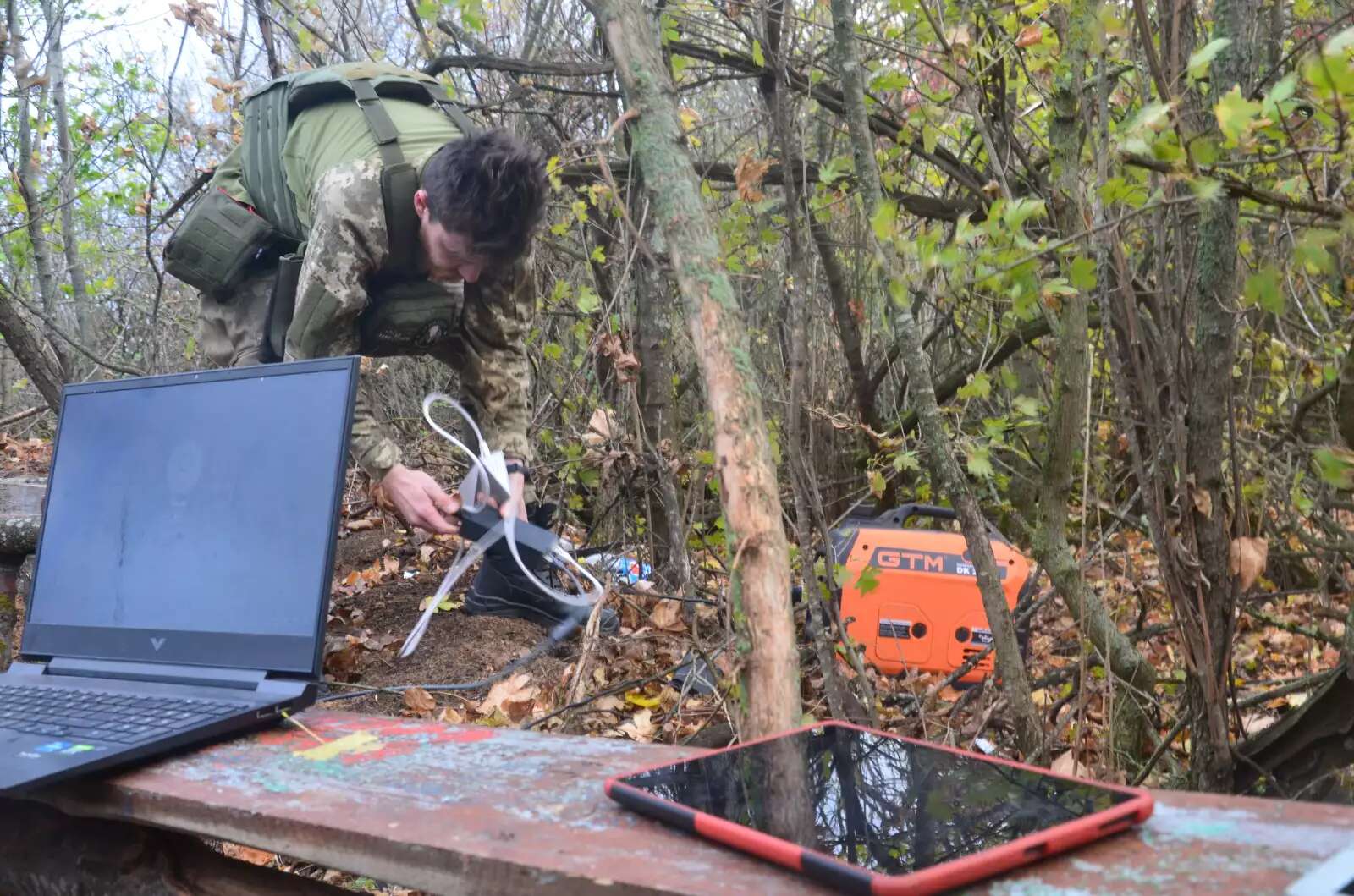
However, operating drones comes with risks. "Drone teams are always big, visible targets for the enemy. In 90 to 99 percent of cases, drone teams are spotted by enemy drone teams, so it's always a brutal game of cat and mouse. Our biggest threat is shelling, and the enemy fires everything they have at us, knowing that one active drone can cause massive damage," Cyclops explained, recounting several close calls.
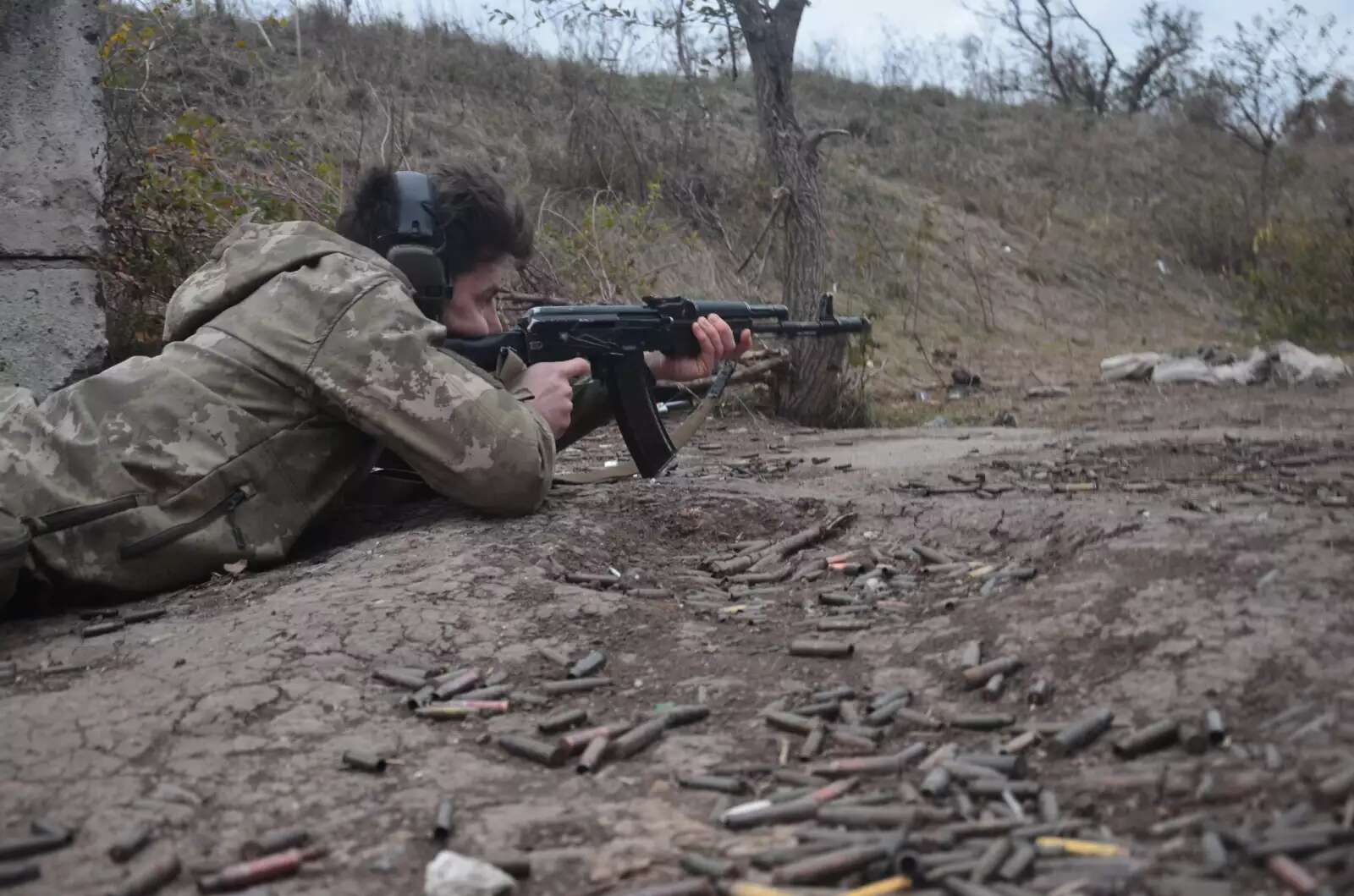
Daily life for the team swings between dodging shellfire, countering Russian drones, and routine tasks like hours of analyzing intelligence footage or searching for a good spot to launch drones. Repairing drones and vehicles also takes a toll, as does carrying heavy equipment to remote positions.
Cyclops vividly remembers his most successful mission: "In the early months of the invasion, I spotted a large enemy concentration. I coordinated with a nearby artillery unit and guided their fire accurately. Out of 50 enemy trucks, 23 were destroyed, along with large amounts of ammunition, two fuel tankers, and a shell depot. The whole event took just 20 minutes, but I remember every second."
"Rewriting the rules of war"
"Drones can be used for almost any type of military mission. Most of our reconnaissance drones are models from companies like DJI or Autel, for example, but when it comes to suicide or bombing drones, the variety is simply endless," explains Cyclops. The range of models used by the Ukrainian military to target Russian forces is indeed staggering. Since many units acquire drones independently and adapt them with different, often improvised, weaponry, you can see a wide array of attack drones, sometimes quite bizarre.

These drones are divided into two categories: the first includes kamikaze drones, usually armed with an RPG warhead or other explosive device, and the second consists of bomb-dropping drones, which release grenades, small bombs, and even anti-tank mines on Russian military forces. The Ukrainians have even created their own subcategory of heavy-duty drones, referred to by the Russians as "Baba Yaga," named after the flying witch from Russian mythology. This monstrous drone, equipped with six rotors, can drop multiple mortar shells or carry electronic warfare equipment. In recent weeks, drones of this model have even been recorded dropping thermite, a burning chemical agent, on Russian military positions.

Without unmanned systems, Cyclops believes the situation would be much more difficult for Ukraine. "Drone warfare helped us bridge the gap in enemy numbers and equipment, especially in terms of ammunition. This is a war no one really knows how to fight, and we're inventing the rules as we go," he said. The rapid evolution in the field means that what worked a year ago is now nearly obsolete. "It's a crazy race, and who knows where it will lead as the war continues," he added.
Cyclops watches videos of drone use in Gaza by both the IDF and Hamas and recognizes similar patterns, offering professional advice. "Countries that want a modern, resilient army need to include entire drone battalions or even brigades, improve communication systems, and develop reliable components for their drone fleets. And they should start now."

Drone warfare, much of it developed from the ground up, also reflects a broader shift in how weaponry evolves. Both in Israel and Ukraine, civilians have donated drones purchased online, and soldiers, along with military developers, have transformed them into increasingly effective weapons over time. This shift, where entire categories of weapons are developed not in massive arms manufacturers' labs but in small workshops, trenches, and abandoned apartments, underscores the unpredictable future of 21st-century warfare and the many surprises that may lie ahead as the world teeters on the brink of a broader conflict.


