Tuesday Dec 16, 2025
NEWSLETTER
www.israelhayom.com
  • Home
  • News
    • Israel
    • Israel at War
    • Middle East
    • United States
  • Opinions
  • Jewish World
    • Archaeology
    • Antisemitism
  • Lifestyle
    • Food
    • Travel
    • Fashion
    • Culture
  • Magazine
    • Feature
    • Analysis
    • Explainer
  • In Memoriam
www.israelhayom.com
  • Home
  • News
    • Israel
    • Israel at War
    • Middle East
    • United States
  • Opinions
  • Jewish World
    • Archaeology
    • Antisemitism
  • Lifestyle
    • Food
    • Travel
    • Fashion
    • Culture
  • Magazine
    • Feature
    • Analysis
    • Explainer
  • In Memoriam
www.israelhayom.com
Home Jewish World

The mysterious Jewish custom of avoiding water at seasonal changes

How some Jewish communities observe special times in the calendar by temporarily avoiding water.

by  Assaf Golan
Published on  01-07-2025 09:07
Last modified: 01-07-2025 19:05
The mysterious Jewish custom of avoiding water at seasonal changesMidjourney

During the transitions between these seasons, some communities traditionally abstain from drinking water, believing it could pose serious health risks | Photo: Midjourney

Share on FacebookShare on Twitter

A millennium-old Jewish practice that warns against water consumption during specific calendar transitions continues to spark debate among contemporary religious authorities.

The Hebrew calendar divides the year into four seasonal periods – Tishrei, Tevet, Nisan, and Tammuz. During the transitions between these seasons, some communities traditionally abstain from drinking water, believing it could pose serious health risks.

The practice's origins trace to the Geonic period over a thousand years ago, documented in Responsa literature that offers two primary explanations: the changeover of guardian angels between seasons, and a symbolic avoidance of beginning new periods with water, considered an elemental substance.
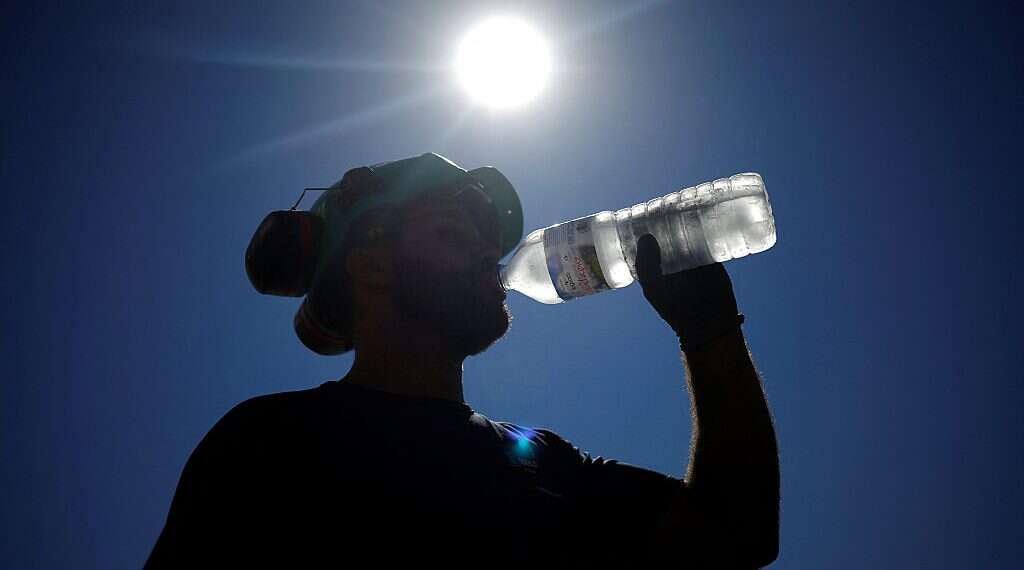
A worker drinks water on a road site in Aigrefeuille-sur-Maine near Nantes, as a heatwave hits France, July 12, 2022 (Reuters/Stephane Mahe) Reuters/Stephane Mahe

Rabbi David Stav, chairman of the Tzohar Rabbinical Organization, points to several factors that have diminished the custom's observance in modern times. "The Yaavetz [Rabbi Yaakov Emden] established that customs absent from the Talmud carry no binding obligation. Additionally, modern plumbing systems, which use iron pipes, may nullify the original concerns."

Contemporary religious authorities remain divided along traditional lines. While Ashkenazi leaders like Rabbi Chaim Kanievsky noted the custom's absence in prominent households such as that of the Chazon Ish, significant Sephardic authorities maintain its relevance.

Rabbi Ovadia Yosef advocated continuing the practice, recommending abstention from water thirty minutes before and after seasonal transitions. His position reflects broader Sephardic adherence to the custom, which persists in communities from Jerusalem to Tunisia.

The debate extends beyond mere tradition. Rabbi Meir Mazuz, citing his father Rabbi Matzliach Mazuz, suggests modern health issues might stem from disregarding this practice. Meanwhile, Kabbalist Rabbi Yitzchak Basri emphasizes its mystical significance, referencing the Zohar's teaching about heightened divine judgment during these transitions.

Tags: Jewish customswater

Related Posts

Hanukkah 2025: Everything you need to knowEPA/ Rainer Jensen

Third night of Hanukkah 2025: Everything you need to know

by ILH Staff and Miri Weissman

Hanukkah 2025 runs December 14-22. Complete guide to candle lighting times, school vacation, blessings, customs and everything you need for...

Oprah Winfrey's Sydney comments draw ireREUTERS/Flavio Brancaleone; AP Photo/Lefteris Pitarakis

Oprah Winfrey's Sydney comments draw ire

by Erez Linn

“Oprah’s neglect to name the actual targets and victims of the attack – Jews celebrating Hanukkah – conceals both the...

Standing with brothers in distress: The Jewish doctor treating war-wounded in Ukraine

Standing with brothers in distress: The Jewish doctor treating war-wounded in Ukraine

by Mor Shpaier

Since the outbreak of the war in Ukraine, there has been a sharp rise in the number of patients with...

Menu

Analysis 

Archaeology

Blogpost

Business & Finance

Culture

Exclusive

Explainer

Environment


Features

Health

In Brief

Jewish World

Judea and Samaria

Lifestyle

Cyber & Internet

Sports


Diplomacy 

Iran & The Gulf

Gaza Strip

Politics

Shopping

Terms of use

Privacy Policy

Submissions

Contact Us

About Us

The first issue of Israel Hayom appeared on July 30, 2007. Israel Hayom was founded on the belief that the Israeli public deserves better, more balanced and more accurate journalism. Journalism that speaks, not shouts. Journalism of a different kind. And free of charge.

All rights reserved to Israel Hayom

Hosted by sPD.co.il

  • Home
  • News
    • Israel at War
    • Israel
    • United States
    • Middle East
    • Sports
  • Opinions
  • Jewish World
    • Archaeology
    • Antisemitism
  • Lifestyle
    • Food
    • Travel
    • Fashion
    • Culture
  • Magazine
    • Feature
    • Analysis
    • Explainer
    • Environment & Wildlife
    • Health & Wellness
  • In Memoriam
  • Subscribe to Newsletter
  • Submit your opinion
  • Terms and conditions

All rights reserved to Israel Hayom

Hosted by sPD.co.il

Newsletter

[contact-form-7 id=”508379″ html_id=”isrh_form_Newsletter_en” title=”newsletter_subscribe”]

  • Home
  • News
    • Israel at War
    • Israel
    • United States
    • Middle East
    • Sports
  • Opinions
  • Jewish World
    • Archaeology
    • Antisemitism
  • Lifestyle
    • Food
    • Travel
    • Fashion
    • Culture
  • Magazine
    • Feature
    • Analysis
    • Explainer
    • Environment & Wildlife
    • Health & Wellness
  • In Memoriam
  • Subscribe to Newsletter
  • Submit your opinion
  • Terms and conditions

All rights reserved to Israel Hayom

Hosted by sPD.co.il