Rabbi Joachim Prinz's journey from Nazi Germany to the forefront of the American civil rights movement is a remarkable testament to the power of standing up for justice. A fiery orator and a fearless leader, Prinz's life was driven by his commitment to fight against hatred and oppression. His legacy reminds us that silence in the face of injustice is the greatest crime of all.
Early life in Nazi Germany
Life for Jews in Europe has always been fraught with challenges. After gaining full rights as citizens in Germany, many Jewish families, including Prinz's, felt a sense of relief. However, this emancipation led to a troubling trend where many German Jews sought to assimilate into secular society, distancing themselves from their Jewish identity. For young Joachim Prinz, Judaism was almost non-existent. His father had renounced their Jewish heritage, and it was his mother who remained his only link to their faith.
After his mother's death, Prinz's connection to Judaism waned until he discovered Zionism. He secretly ordered Theodor Herzl's "The Jewish State," which ignited a passion for Jewish independence. This newfound pride in his Jewish identity propelled him toward a career in the rabbinate, even in the face of his father's opposition. By the time he graduated from rabbinical school, Prinz had become a charismatic speaker, drawing crowds to Germany's largest synagogues and restoring pride in the Jewish community.
As Hitler rose to power, the situation for Jews in Germany rapidly deteriorated. Prinz saw the writing on the wall and began warning his community about the impending dangers of Nazi antisemitism. Speaking out against the Nazis was perilous; he was hunted by the Nazi Secret Police, enduring arrests until he was ultimately expelled from Germany. This expulsion, while traumatic, turned out to be a blessing, as the German Jewish community would soon face unimaginable horrors in concentration camps.
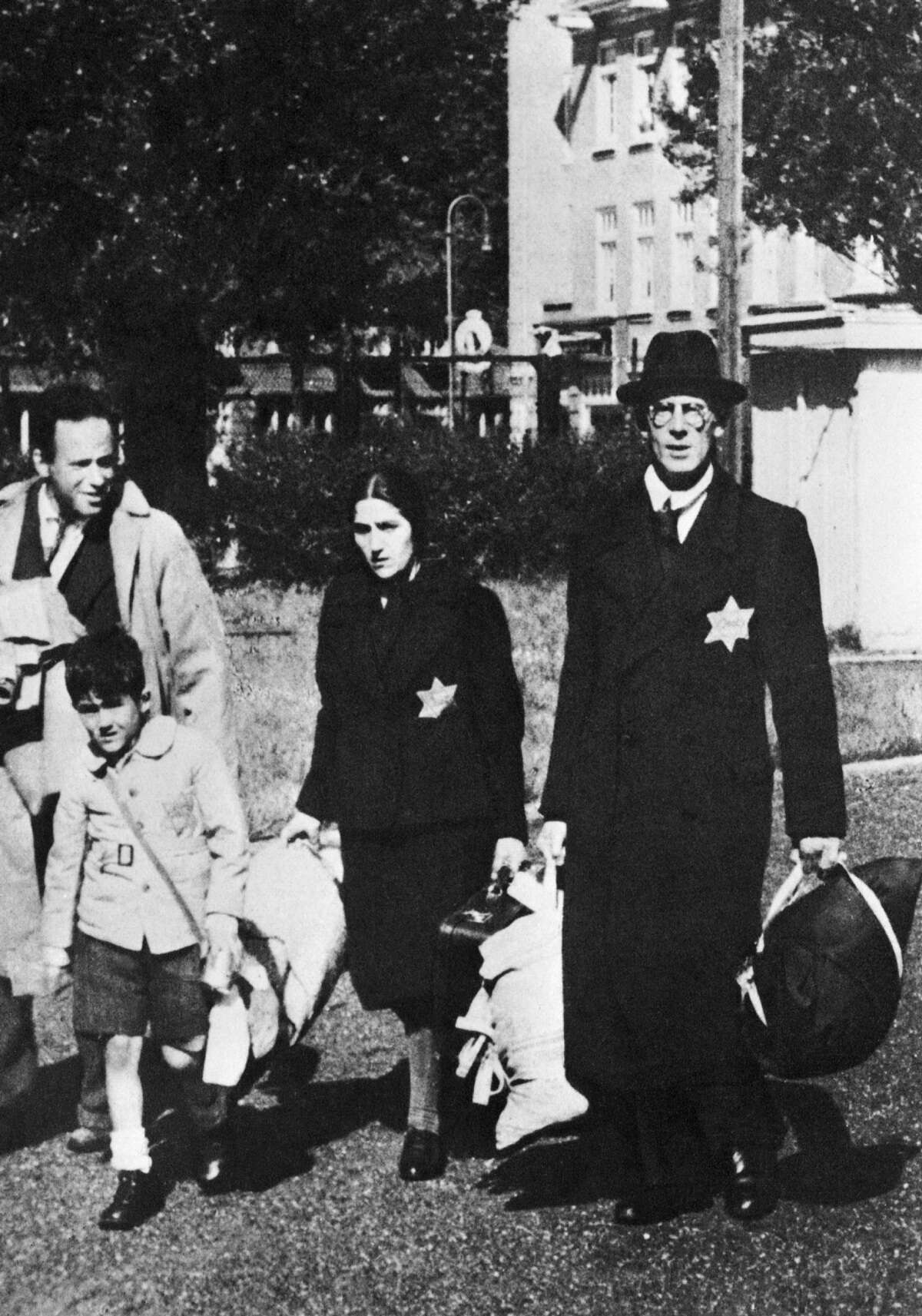
Upon arriving in the United States, Prinz was invited by prominent American rabbis to settle in. Although he had visited before and was initially unimpressed by the rampant racism and social inequalities, he soon became a passionate advocate for civil rights. Prinz was deeply disturbed to find that some American Jews had adopted attitudes towards Black Americans that mirrored the racism they themselves faced. This realization fueled his commitment to ally with the African American community, a connection forged through shared experiences of oppression.
Joining the battle for racial equality
Rabbi Prinz's kinship with African Americans was evident as he witnessed the discrimination they faced. Segregation laws forced Black individuals to the back of buses, denied them service in restaurants, and required them to attend segregated schools. This parallel to his own experiences in Nazi Germany galvanized Prinz to take action. He reached out to Black religious and civil rights leaders, forging alliances that would prove crucial in the fight for equality.
When Dr. Martin Luther King Jr. emerged as a key figure in the civil rights movement, Prinz was inspired by his vision and invited him to speak at Jewish gatherings. Prinz didn't merely lend his voice; he marched alongside civil rights activists, participated in protests, and even picketed against segregationist policies at Woolworth's department stores. His activism was not just a political stance; it was a personal mission to combat injustice wherever it appeared.
March on Washington
The culmination of decades of struggle came to a head during the March on Washington for Jobs and Freedom in 1963. With over 250,000 people gathered at the Lincoln Memorial, this event marked a significant moment in American history. Rabbi Prinz stood among the leaders, moments before Dr. King's iconic "I Have a Dream" speech, delivering his own powerful message.
"The most important thing that I learned in my life is that the most urgent, the most disgraceful, the most shameful, and the most tragic problem is silence." His words resonated with millions, emphasizing the importance of speaking out against injustice. The March on Washington sent shockwaves across the nation and played a pivotal role in the eventual passage of the Civil Rights Act, which outlawed segregation and discrimination.
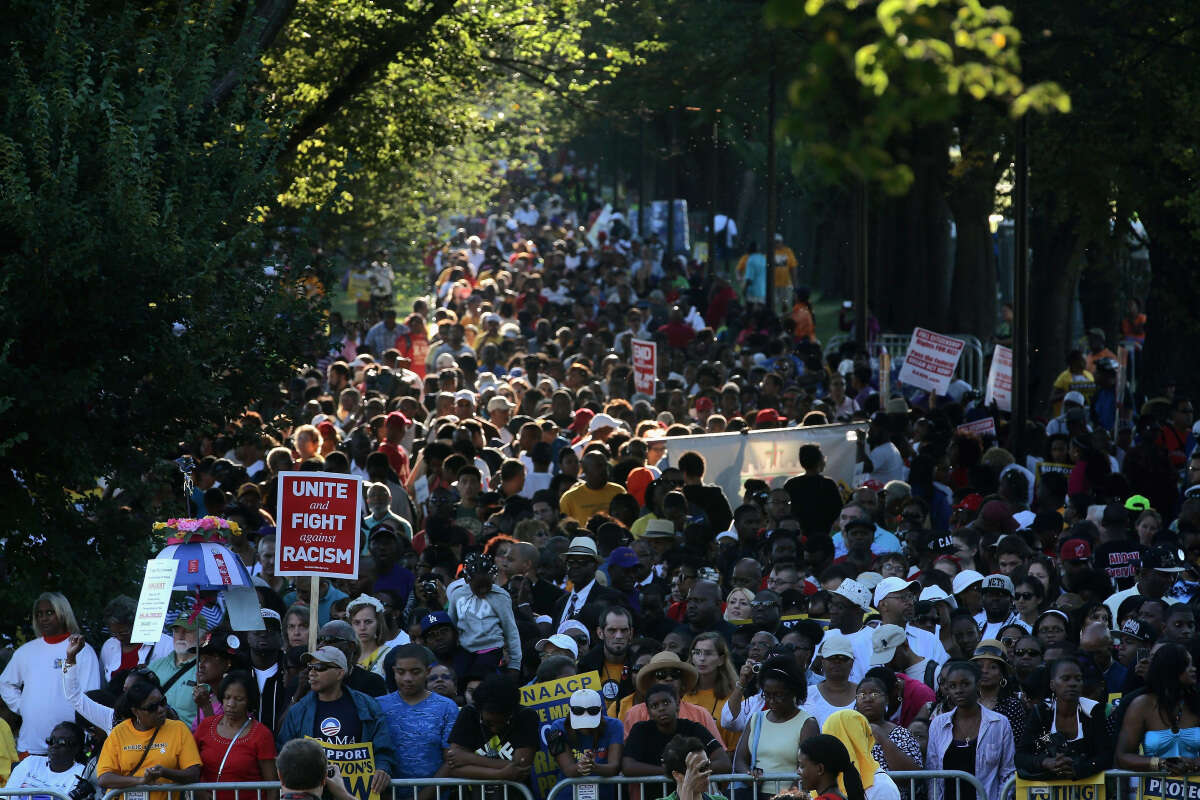
Despite the achievements of the civil rights movement, the aftermath of the March on Washington was not a panacea for racial tensions in America. The assassination of key figures like John F. Kennedy, Malcolm X, and Dr. King left a void that led to disillusionment and anger within the African American community. The initial unity between Jewish and Black activists began to fray as socio-economic conditions diverged.
Jewish-Black unity disintegrates
As Jews in the United States became more successful and assimilated, some activists began to view them through a lens of suspicion, painting them as oppressors. This shift strained the once-strong alliance that Prinz had worked so hard to build. The very racism he had fought against within Jewish communities became a flashpoint in Black-Jewish relations, complicating the fight for equality.
Rabbi Prinz faced increasing hostility as tensions escalated. His synagogue in Newark became a target for radical groups, and he, himself, was threatened. Yet, despite these challenges, Prinz maintained his belief in coexistence and solidarity. He continued to engage with the African American community, fostering relationships that transcended the growing divides.
Even as some factions within the Jewish community opposed his more universalist approach to Judaism, Prinz remained committed to his vision of equality. He understood that pursuing justice was a core tenet of Jewish values, and he refused to abandon that principle. His move to a safe suburb with his congregation did not diminish his commitment; he insisted that his new synagogue have no stained glass windows, symbolizing a desire for clarity and transparency in a world often clouded by prejudice.
Rabbi Joachim Prinz passed away in 1988, leaving behind a legacy that continues to inspire. Today, when the causes of marginalized communities can often feel at odds, Prinz's message of unity remains crucial. He believed that we are all each other's neighbors and that the greatest challenge we face is not hate itself, but the silence of the majority in the face of it.