


Austrian opera performer Johannes Pietsch, known as JJ, has emerged as a powerful voice for change after clinching the Eurovision 2025 victory with his song "Wasted Love." In an exclusive interview with El Pais, the 24-year-old countertenor called for major reforms to the competition's voting system while expressing disappointment over Israel's continued participation following its second-place finish.
The Vienna Opera artist narrowly defeated the Israeli entry in a tense battle reminiscent of last year's competition when Nemo triumphed for Switzerland. JJ told El Pais that while both he and Nemo represent the LGBTI+ community, their "proposals are not exactly the same." The Austrian winner firmly believes Eurovision requires significant changes, stating: "Especially, he needs to make changes regarding the voting system and who participates in the festival."

JJ's criticism comes after Spain's delegation requested an audit of the public vote and Belgium's VRT broadcaster threatened to withdraw from the competition. "There should be greater transparency on the issue of televoting. This year it was all very strange about it," JJ explained to El Pais. The Austrian performer took a bold stance on the geopolitical controversy surrounding the contest, declaring: "It is very disappointing to see that Israel continues to participate in the contest. I would like Eurovision to be held next year in Vienna and without Israel. But the ball is in the court of the EBU. We, artists, can only raise our voices on the matter."
The whirlwind of post-victory activities has left the newly crowned champion with little rest, as he revealed to El Pais: "The first time I have been able to sleep since I won on Saturday was yesterday, Tuesday." Born to an Austrian father and Filipino mother, JJ's unique background includes growing up in Dubai before discovering his passion for opera during a family vacation to Vienna, where he first experienced Mozart's "The Magic Flute" – a production he would later perform in himself.
JJ shared with El Pais that his true musical awakening came later: "When I really fell in love with opera was with Puccini, when I was 16 years old and I saw Tosca for the first time." The emotional impact of that performance clearly resonates in his artistic sensibilities today, as he confessed: "I was excited and intrigued throughout the performance. And I love a good drama... in a good way."
That dramatic sensibility found perfect expression in his Eurovision-winning performance, developed in collaboration with Spanish set designer Sergio Jaén. JJ told El Pais: "We sent him the song and he immediately said he wanted to work with us. Within a week, I already had a 15-page proposal where I made it very clear how I wanted to express that feeling that the song conveys of being adrift because of heartbreak."
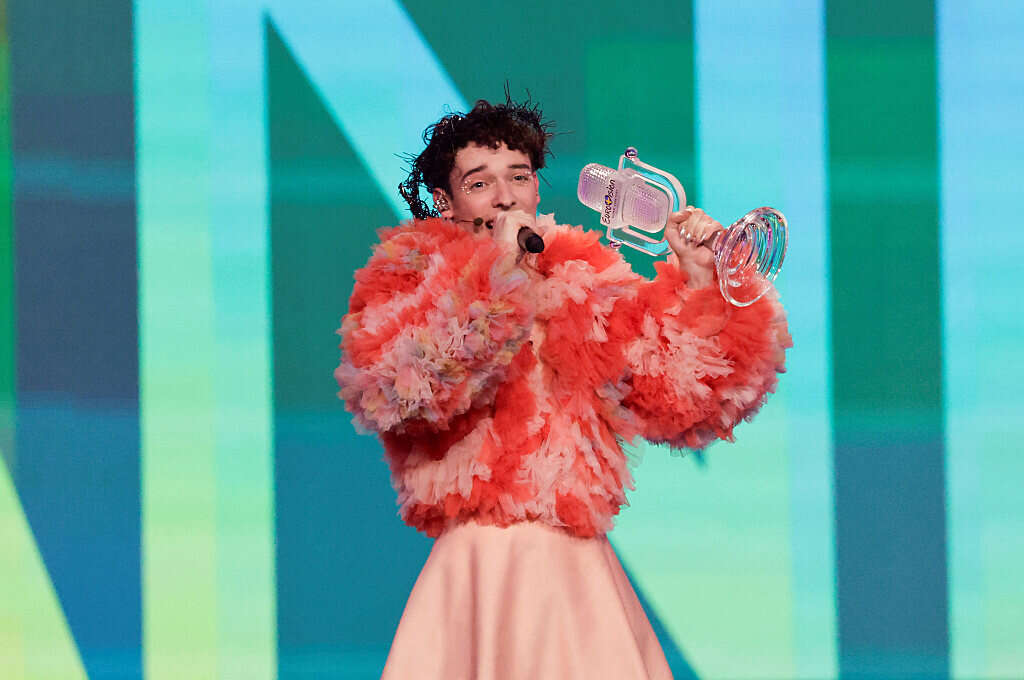
JJ views his Eurovision platform as an opportunity for advocacy. He stated firmly to El Pais: "I am going to take advantage of the opportunity and use this platform as large as Eurovision to defend rights for the entire community queer and to make sure we have more equality. There is still a huge stigma around us and unfortunately Europe is becoming increasingly conservative, taking steps back. It's very, very disappointing and something needs to be done about it."


