

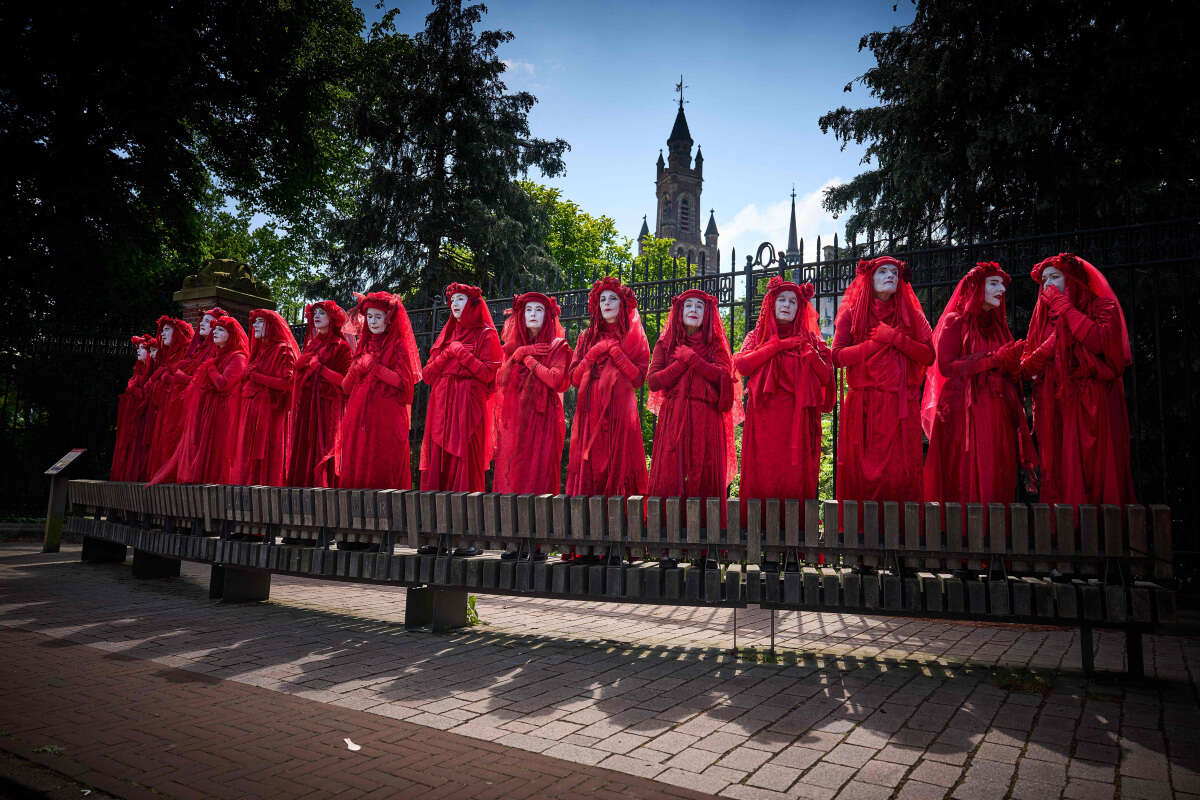
The Netherlands has shocked diplomatic observers by spearheading European Union efforts to pressure Israel through a human rights review, despite having a right-wing government coalition that includes staunchly pro-Israel parties. Dutch Foreign Minister Caspar Veldkamp, who previously served as ambassador to Israel, successfully pushed through the controversial initiative under mounting domestic political pressure.
EU Foreign Policy Chief Kaja Kallas ordered the preparation of a comprehensive report examining whether Israel has violated its human rights commitments under the central EU-Israel agreement. The move succeeded where previous attempts had failed, even during the tenure of Josep Borrell, the outgoing EU foreign policy chief known for his pro-Palestinian positions. While the proposal lacked consensus, Kallas proceeded with the report anyway.
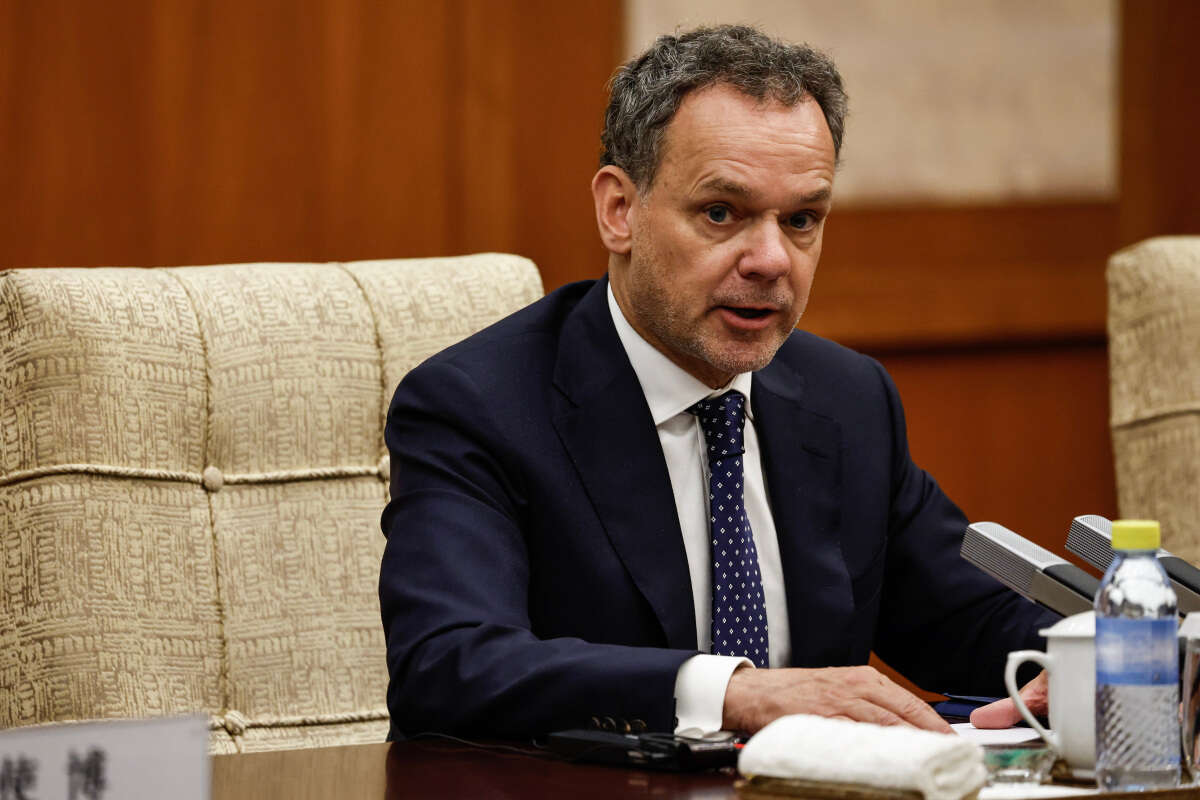
The initiative's origin surprised many European observers. Rather than coming from traditional Israel critics such as Spain or Ireland, the pressure emerged from the Netherlands – a country historically viewed as among Israel's closest European allies. The timing appears particularly jarring given that the current Dutch government consists of distinctly right-wing parties, including the Freedom Party led by Geert Wilders, a vocal Israel supporter.
Intense domestic political pressure appears to have driven Veldkamp's decision to submit the damaging proposal. The foreign minister, who maintains deep knowledge of Israel from his ambassadorial service, found himself caught between coalition commitments and mounting pressure from Muslim communities, hostile media coverage, and vocal pro-Palestinian demonstrators.
The current government's minimal achievements have provided little incentive for coalition members to trigger a crisis over foreign policy. Wilders, whose Freedom Party holds the largest number of seats in the coalition, responded by sharply criticizing the move and labeling Veldkamp a "weak minister." He demanded transparency about whether other cabinet members, including those from his own party, participated in the decision to alter Dutch policy toward Israel.
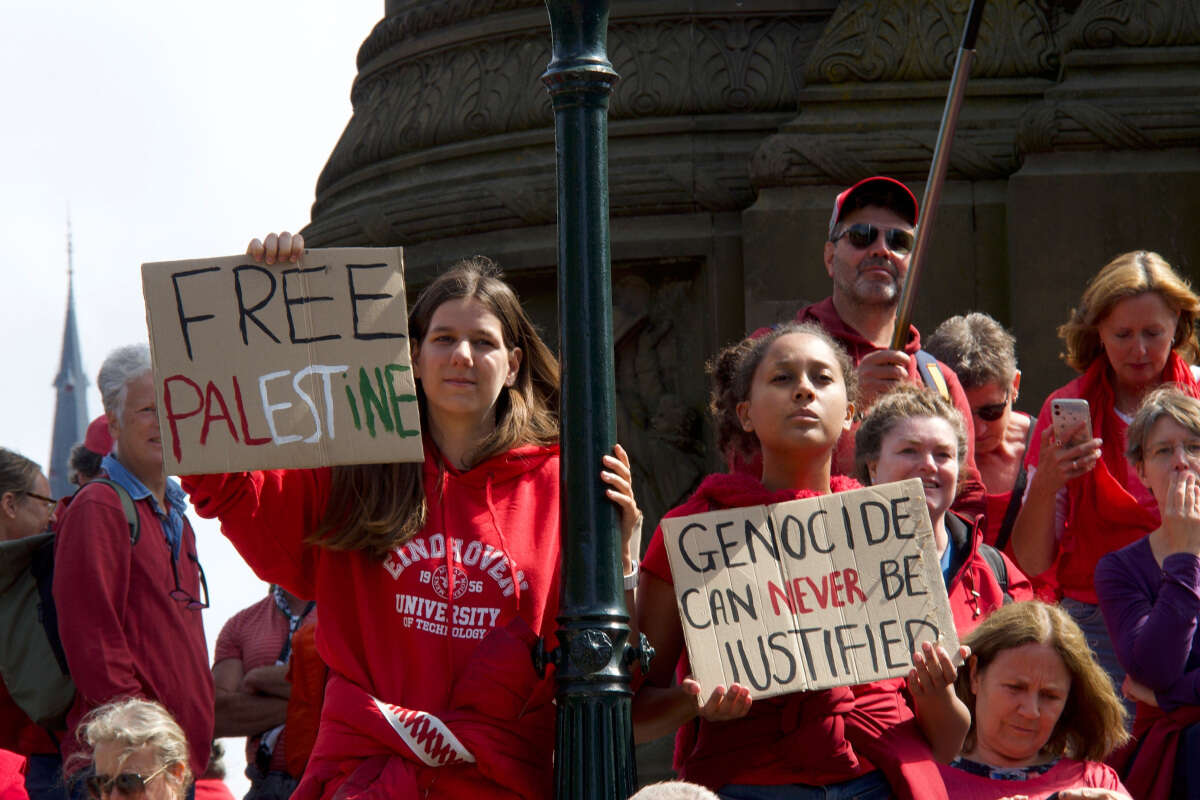
Chris den Hodt, president of Rotterdam's Jewish community and liaison for Israeli hostage families in the Netherlands, explained the political dynamics driving the shift. "There exists tremendous pressure from media outlets, pro-Palestinian protesters and their supporters, plus the political left in parliament," he said. "Minister Veldkamp advanced a process that he viewed as minimally damaging – commissioning a report rather than calling for suspension of the EU-Israel agreement. Through this action, he sends signals to both Israel and domestic audiences. To Israel, he advocates for increased humanitarian aid, while to Dutch citizens, he demonstrates action to assist Palestinians in Gaza."
The minister's unilateral decision generated negative reactions from coalition partners, den Hodt noted. "This center-right coalition has now instructed him to consult with coalition partners before any future Israel-related initiatives." The minister will likely comply given his party's precarious position – the New Social Contract party (NSC) faces poor polling numbers following its leader's health-related departure. "Should this relatively new coalition collapse, the NSC party risks elimination from parliament in upcoming elections."
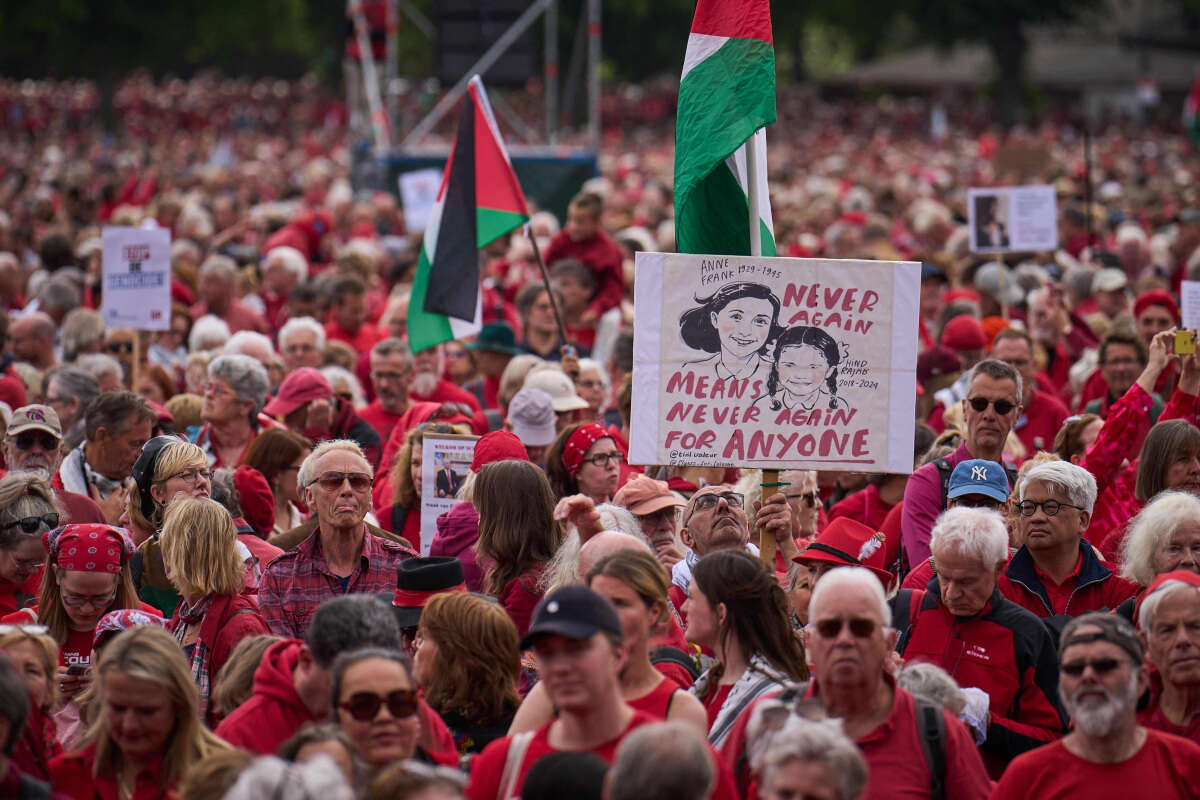
Dutch public opinion surveys reveal a complex landscape regarding Israel. According to recent polling, 62% of Dutch citizens believe their nation's media conducts anti-Israel propaganda. "Most Dutch people quietly support Israel while media outlets advocate boycotts," den Hodt observed. "Pro-Palestinians represent a vocal minority wielding disproportionate influence over decision-makers."
Uri Rosenthal, who served as Dutch foreign minister from 2010 to 2013, argues that Israeli perceptions of Dutch support require updating. "Some Israelis maintain romantic notions that the Netherlands represents Israel's closest friend, that Dutch citizens volunteer on kibbutzim, that Dutch leaders defend Israel. Those days have ended."
Rosenthal highlighted stark contrasts between Dutch and German approaches to anti-Israel activities: "Germany prohibits the chant 'from the river to the sea Palestine will be free,' bans the hostile 'Samidoun' organization, refuses masked protesters at anti-Israel demonstrations, and prevents takeovers of public squares and transportation hubs for pro-Palestine protests. Everything I mentioned occurs regularly in the Netherlands with official tolerance."
Demographic realities complicate political calculations for Dutch leaders. The Netherlands houses approximately one million Muslims, concentrated heavily in major cities, while the entire Jewish population ranges between 20,000 and 40,000 individuals. "City leaders face significant electoral risks when supporting Israel," Rosenthal explained. "Global attention has shifted from October 7 to Gaza casualties. The foreign minister attempted to establish a 'red line' without coalition approval."
Potential economic consequences concern Rosenthal, who warned against damaging bilateral cooperation. "Imposing trade difficulties would harm Israel, but intelligence and defense cooperation benefits the Netherlands substantially. Ending cooperation with Israel contradicts Dutch interests."
Chris Stoffer, chairman of the Reformed Christian Party in the Dutch parliament, emphasized contradictions with the coalition agreement, which affirms Israel's rights to existence, security, and self-defense while mentioning potential embassy relocation to Jerusalem. "The foreign minister's decision troubles me deeply," he said. "This occurs precisely when Israel's support remains vital for hostage recovery, Hamas defeat, and Israeli security."
Dutch public sentiment shows increasing criticism of Israel while maintaining substantial support, particularly within Christian communities, Stoffer noted. He documented exponential antisemitism increases since October 7 and expressed concern about anti-Israel demonstrations that ignore hostage releases or Hamas criticism.
Prime Minister Dick Schoof has avoided public comment on his foreign minister's controversial initiative, creating uncertainty about government unity on Israel policy.
Rosenthal consistently advised Israeli leaders to "help me help you," warning against excessive American dependence. He recalled telling Prime Minister Benjamin Netanyahu that exclusive reliance on America was a strategic mistake. "Netanyahu acknowledged 'giving up on Europe.' Recent years show Israel building European relationships with Hungary and the Czech Republic, but deeper engagement across Europe remains necessary."


