

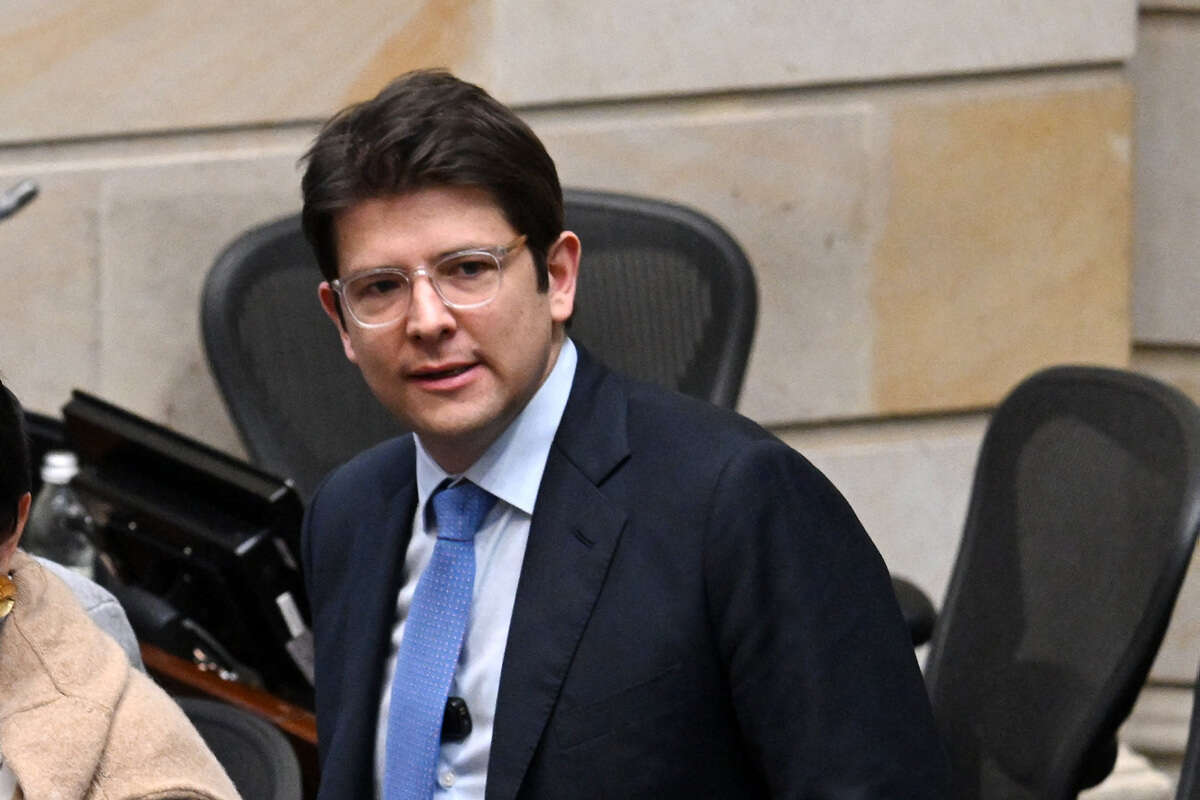
On Saturday, Colombian Senator Miguel Uribe Turbay, a prominent presidential hopeful for the 2026 elections, was critically injured in a shooting during a campaign event in Bogotá's Fontibón district. The 39-year-old politician, affiliated with the conservative Democratic Center party, was shot from behind while addressing supporters. He sustained gunshot wounds to the head and chest and is currently undergoing neurosurgical and vascular procedures at Santa Fe Foundation hospital. His wife, Maria Claudia Tarazona, confirmed his critical condition, stating he is "fighting for his life."
Authorities have arrested a 15-year-old suspect at the scene, who was found in possession of a firearm. The Colombian government has announced a reward of approximately $730,000 for information leading to the identification of any accomplices.
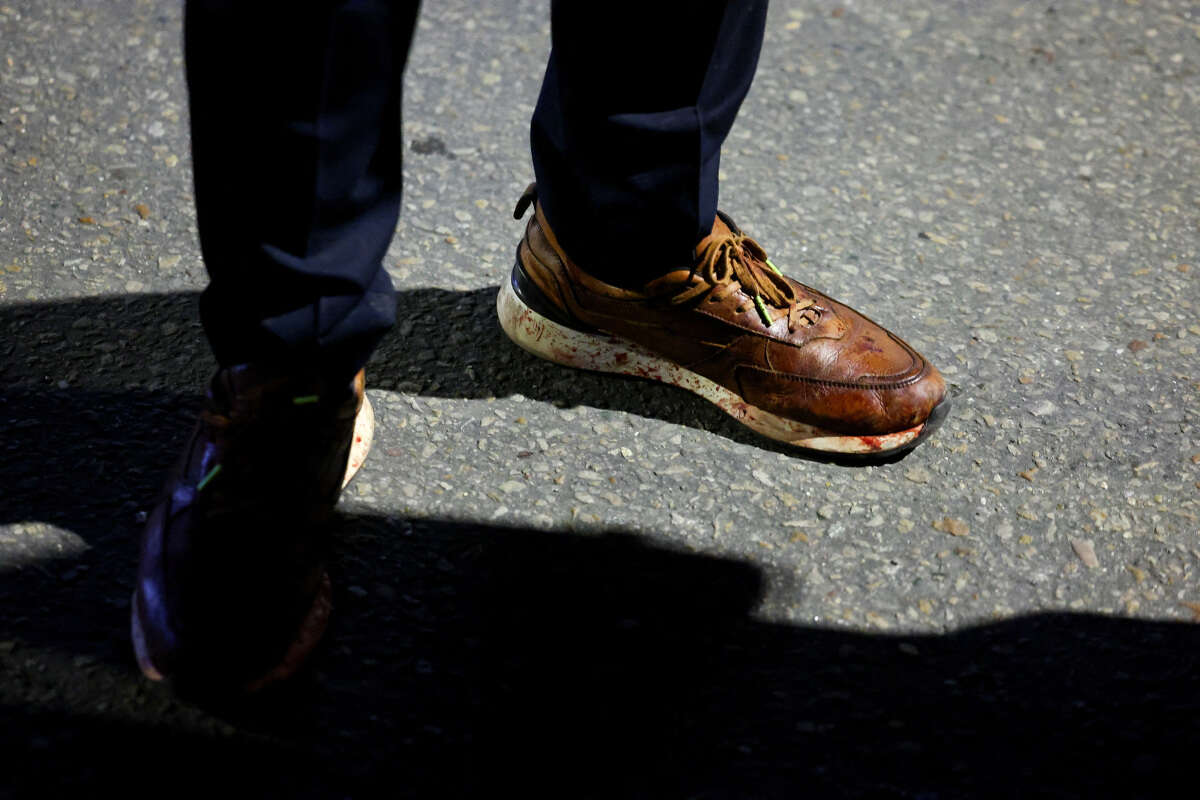
The attack has drawn widespread condemnation across the political spectrum. President Gustavo Petro canceled a planned trip to France and expressed solidarity with Uribe Turbay's family, emphasizing the need to uphold democratic values and reject violence. Former President Álvaro Uribe Vélez, founder of the Democratic Center party, described the incident as an attack on the nation's hope and called for national reflection. International leaders, including US Secretary of State Marco Rubio, have also denounced the shooting, highlighting concerns over the resurgence of political violence in Colombia.
En Colombia la izquierda atentó contra el senador y candidato presidencial Miguel Uribe Turbay.
Recibió un disparo entre la cabeza y el cuello. Su estado es grave.
Así funciona la izquierda en todo el mundo. pic.twitter.com/va5pAVAf72— IRON (@GordoSuperavit) June 8, 2025
This incident has reignited memories of Colombia's turbulent history of political violence, particularly the assassinations of presidential candidates in the late 20th century. Uribe Turbay's own family has been touched by such violence; his mother, journalist Diana Turbay, was killed during a rescue operation following her kidnapping in 1991. The attack underscores ongoing challenges to Colombia's efforts to maintain political stability and democratic integrity.


