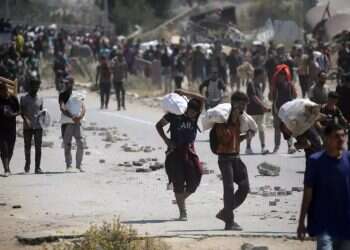
The IDF continues its military operations against Hamas, targeting infrastructure and eliminating operatives. At the same time, Israel's security establishment is working to sever ties between the terrorist organization and Gaza's civilian population. The goal: disrupt Hamas' corrupt method of exploiting humanitarian aid for profit and show residents that they can survive without relying on Hamas.
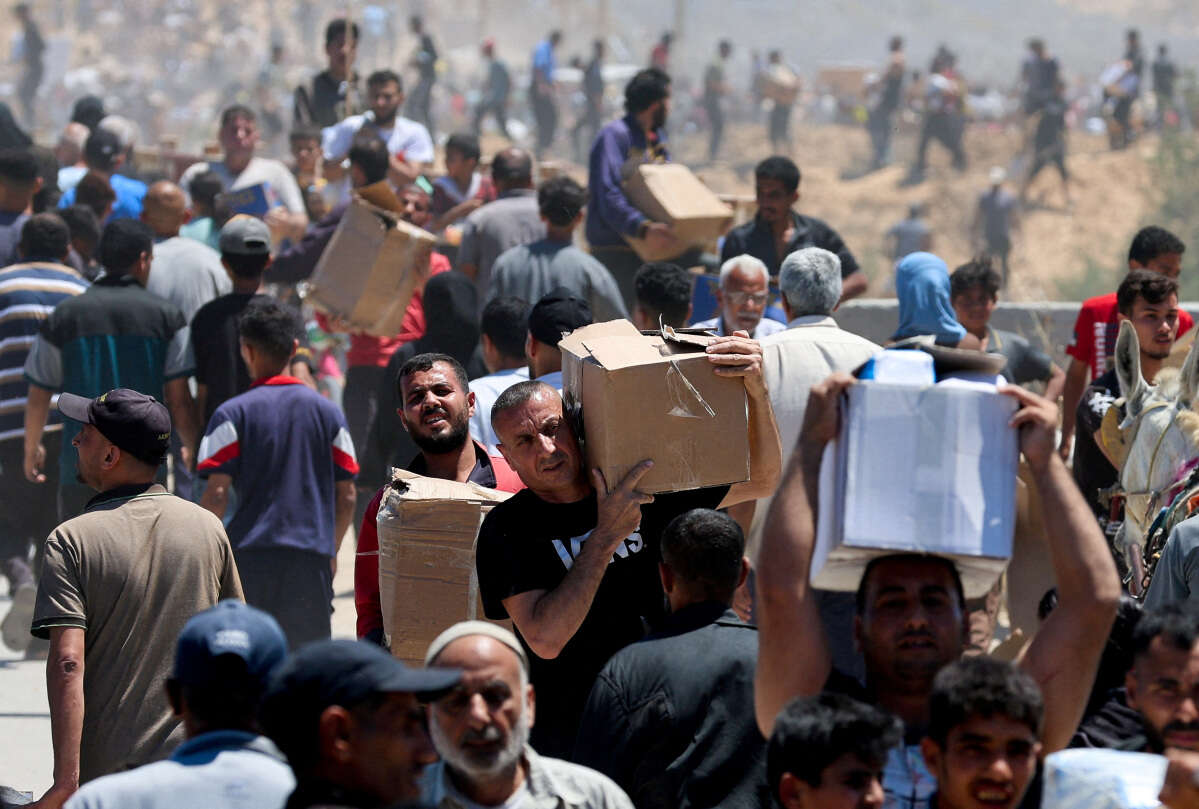
According to newly released data, major progress has been made in the past month toward decoupling Hamas from the population. Four distribution points are now operating most days, providing tens of thousands of food packages daily, totaling 50 million so far. As a result, flour prices have plummeted.

Hamas pushback fails
Security sources report that Hamas fiercely opposed the distribution efforts, endangering aid workers and urging residents not to collect food. That effort failed, and civilians have kept showing up for aid. In retaliation, Hamas hijacked a bus carrying American humanitarian workers, dumped the wounded at a hospital, and ordered medical staff not to treat them. According to intelligence, threats against the aid organization continue.
Security officials say crowd control remains a challenge, with widespread chaos across the Strip. In some cases, the IDF has had to fire live rounds to disperse crowds approaching its forces.
All incidents involving casualties are thoroughly investigated by the Gaza Division commander. Residents are warned in real-time to avoid the distribution areas when needed. Officials see a positive trend: civilians are being fed safely, without endangering soldiers or residents. The IDF estimates that there is currently no famine in Gaza.
Fuel and hijackings
Data shows the UN still has fuel reserves in the Strip, which Hamas is allowed to regulate. Most of the fuel is sent to hospitals. Security officials call it a "necessary evil" - Hamas siphons off a portion during transit, but the IDF is working to prevent a health system collapse.
The IDF occasionally brings in extra aid beyond the established channels, but local clans often loot these deliveries. Food is sometimes sent to northern Gaza outside the formal aid framework, following political directives.
Security data reveals that most food shipments are looted by local clans. Hamas has lost active operational control over much of the area. Last week, there was a rare incident in which Hamas seized an aid convoy, but such events are exceptional. The IDF continues to allow trucks into Gaza and does not intervene as long as the aid doesn't end up with Hamas.
Live fire has been used during some food distributions to avoid endangering troops, occasionally resulting in Palestinian civilian deaths. Security sources say reports of dozens killed are exaggerated by Hamas, which seeks to block aid not under its control or through international agencies that pay it taxes.
Security officials say Hamas is running a systematic campaign to inflate casualty figures, sometimes bringing in dead bodies from elsewhere or fabricating fatalities to smear Israel and claim that distribution points are "death traps."
Dismantling Hamas
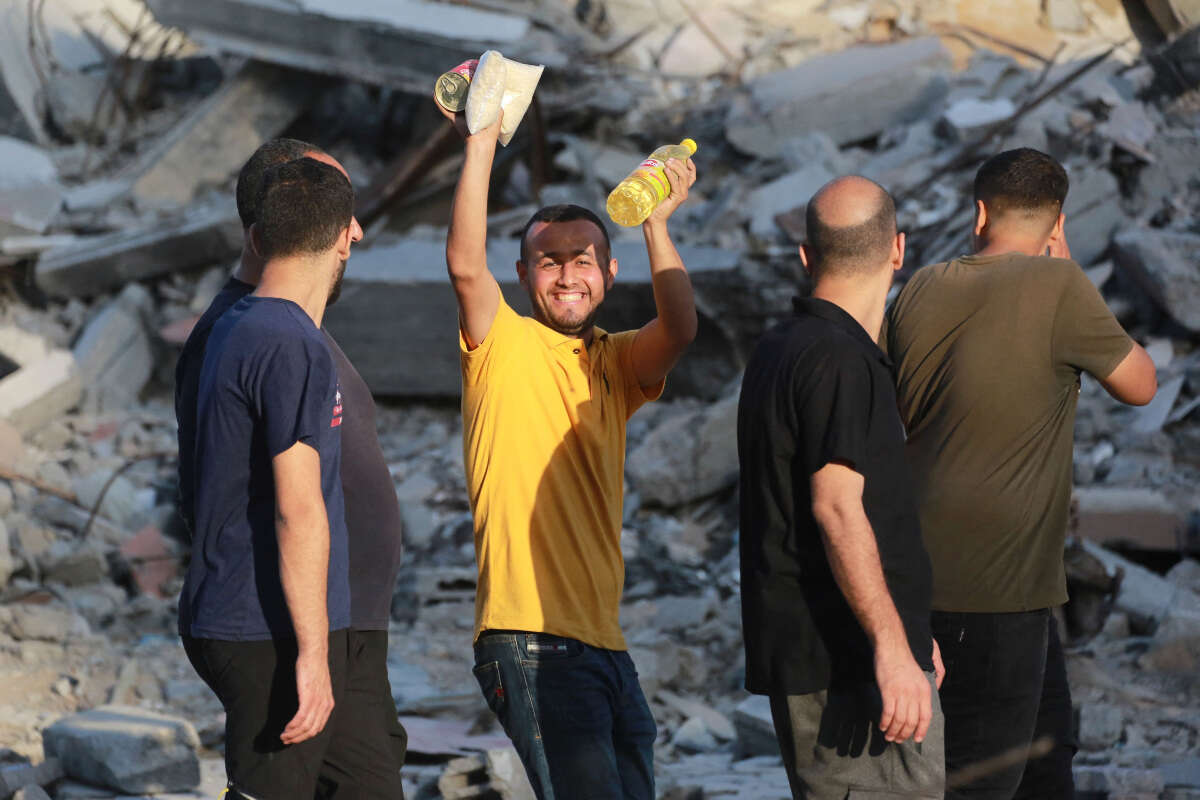
The IDF acknowledges a handful of tragic incidents, some involving single-digit casualties, others involving dozens due to artillery used to push back crowds. Operations were halted immediately in these cases. In total, three to four such incidents have occurred. Notably, even Hamas fighters are coming to the aid centers to collect food for their families.
Last week, the IDF eliminated the remnants of Hamas' general staff, recovered the bodies of three Israeli hostages, and killed dozens of terrorists. Security officials reject claims of a "stalemate," describing the process as the methodical dismantling of a terrorist organization. Increasingly, residents are receiving aid independently of Hamas, and more clans are rebelling against it.
Officials are wary of a prolonged entanglement, likening the risk to Vietnam or Lebanon. But they maintain: "We're not there, we're creative and continue to strike Hamas. The cost is high, but the gains still outweigh it."
One major challenge is the perceived resistance by international aid organizations to the separation of the population from Hamas. Security sources believe some groups "would rather see the effort fail." Nevertheless, the IDF says these organizations remain operational in the field.
New aid routes
If a ceasefire is reached, the IDF says it can continue the aid mechanisms. If ordered to stop, it will comply. Currently, international organizations are not cooperating, raising questions about their commitment to the well-being of Gaza's civilians.
Security officials emphasize that cutting off Hamas from the population brings Israel closer to defeating the group and securing the release of hostages. The IDF continues to review and learn from problematic events. According to officials, Gazans are "grateful to the American company."
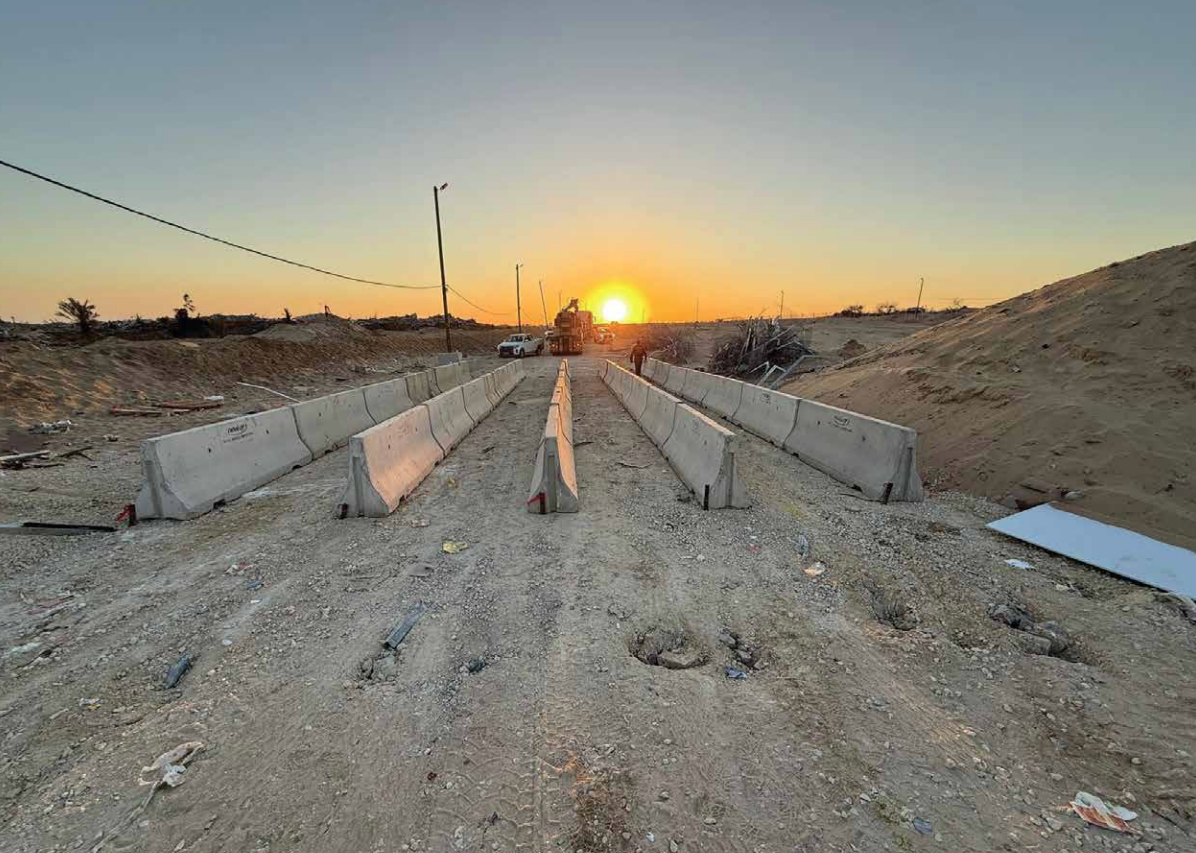
The IDF has restructured access routes to aid distribution zones. If a ceasefire goes into effect, aid operations can proceed. According to the IDF Spokesperson's Unit, the humanitarian distribution plan, run by the American nonprofit GHF with international partners, is being safeguarded by IDF forces who remain nearby to prevent the aid from falling into Hamas' hands.
As part of this effort, the IDF has fenced and marked off the areas, added signage, opened new access routes, installed vehicle barriers, and redesigned the layout to allow for visual monitoring of daily supply levels. Based on lessons learned, the Tel Sultan distribution point was closed temporarily, and a new site opened nearby, designed to reduce friction and enhance safety.
The IDF says these steps are meant to enable safe, orderly aid distribution while maintaining operational continuity.