


Tehran residents were instructed on Sunday to avoid using tap water in their homes, as the city continues to experience repeated disruptions in water supply, at the peak of an intense heatwave sweeping across the country. Iranian authorities urged the capital's population to restrict water use amid the worsening shortage, local media reported. Tehran City Council Chairman Mehdi Chamran stated, "People must conserve water to prevent a drop in pressure," according to the official ISNA news agency.
Iran's national meteorological service announced that the country is currently experiencing its hottest week of the year so far, with temperatures surpassing 50°C (122°F) in some areas. Authorities in other parts of Iran issued similar appeals in recent days, urging residents of various provinces to reduce water consumption. Tehran's water company called for at least a 20% reduction in use to help ease the shortage.
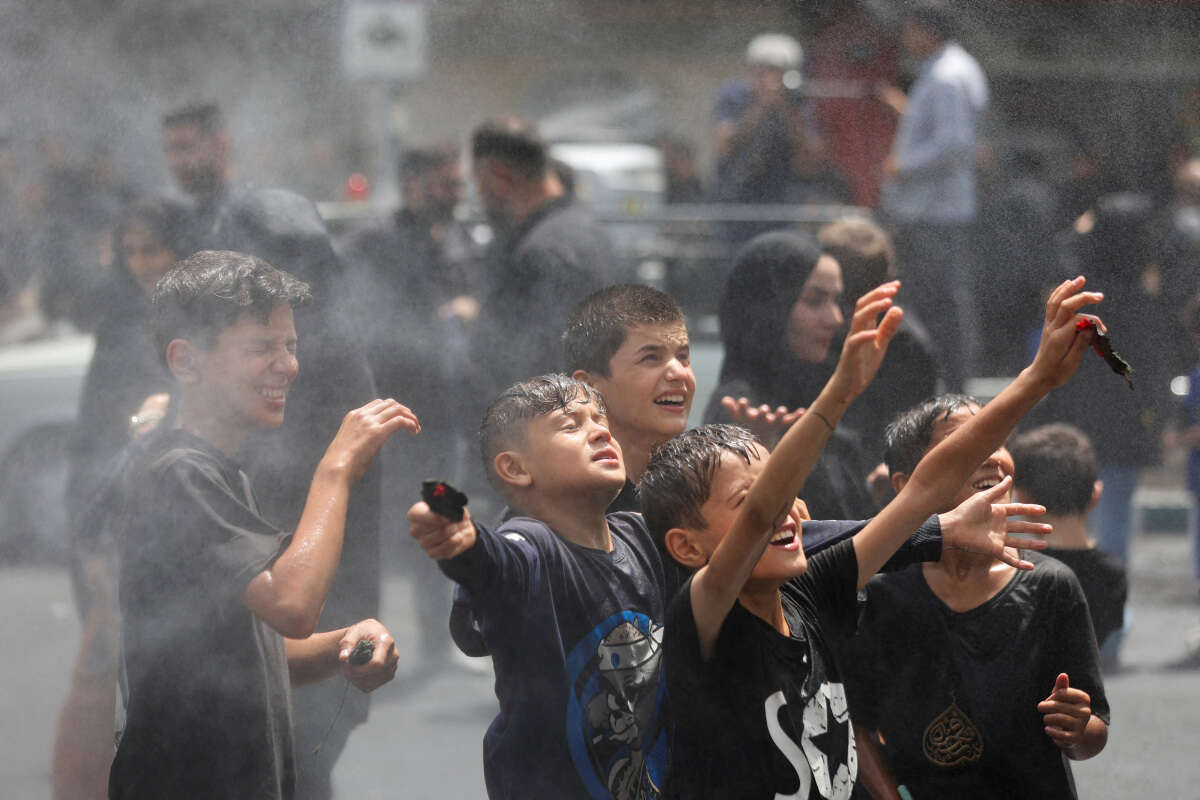
But what is being presented as a polite request may in fact reflect a harsher reality. The opposition outlet Iran International quoted local residents who said water supply disruptions began Thursday. The Ham-Mihan daily described the situation as a "silent water rationing" and noted that officials have so far refused to acknowledge any service interruptions.
On Thursday, Tehran Water Corporation CEO Mohsen Ardekani denied that deliberate outages were taking place but acknowledged the possibility: "If there's a 20% cut in water usage, there will be no shutdowns. Without that, we will have to start rationing," he said.
In a statement, Tehran's regional water authority said the city's dam reservoirs, its primary water sources, are now at their lowest level in a century, the result of several consecutive years of declining rainfall.
Meanwhile, the conservative Javan daily reported Saturday that authorities have reduced water pressure in parts of the capital in a bid to alleviate the crisis, leading to water cuts lasting 12 to 18 hours in some areas.
Water shortages are a longstanding issue in Iran, particularly in the arid southern provinces. The crisis is attributed to poor resource management, excessive groundwater extraction, and the increasing impact of climate change.


