"The moment the IDF withdraws and a ceasefire takes effect, Hamas will resume control of the Gaza Strip. There is no doubt about that," a senior Israeli defense official admitted to Israel Hayom. "This deal is bad for us and good for Hamas, but it is the only way to release the hostages."
As of now, according to a statement issued earlier by the Prime Minister's Office, Hamas's response has been relayed to Israel via mediators and "is currently under review." It remains unclear whether the deal will ultimately go through, but the main points of contention reportedly include the depth of the security perimeter and the extent of Israel's withdrawal, as well as the criteria for prisoner releases.
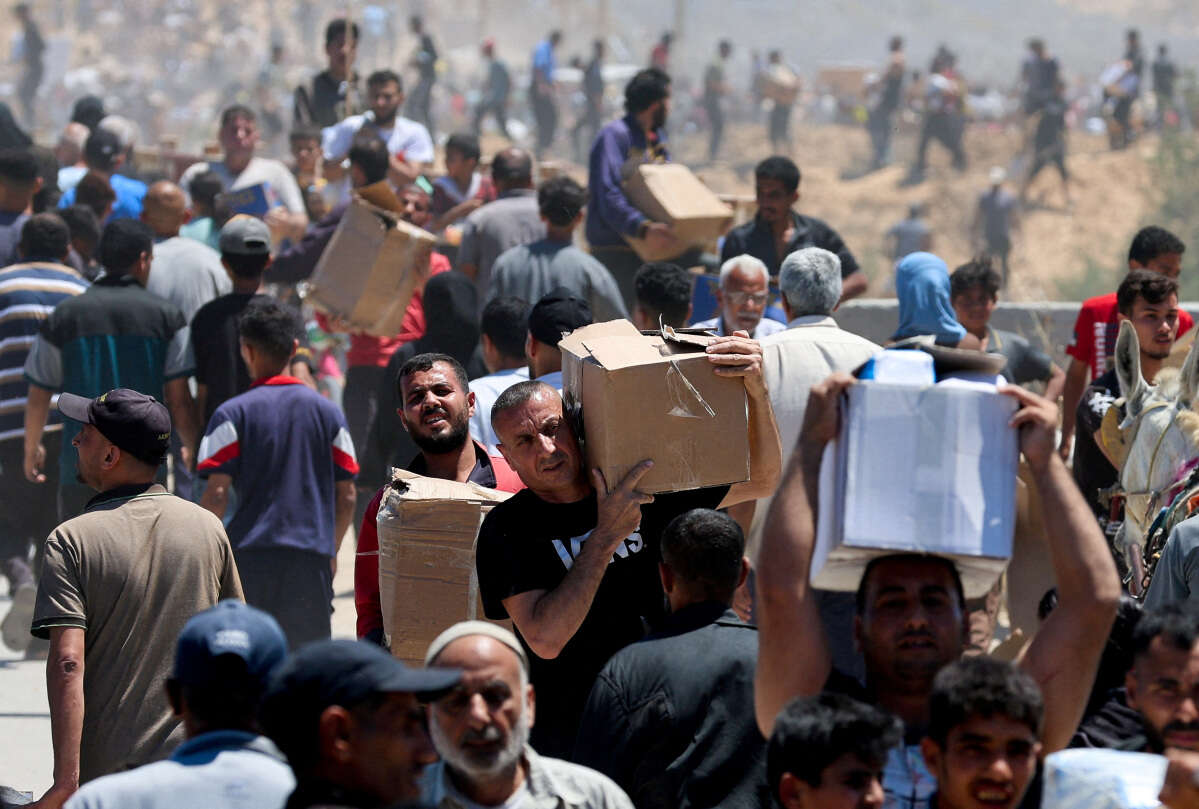
A senior official familiar with the negotiations told Israel Hayom that humanitarian issues are not expected to derail the talks. Under the proposed agreement, more than 400 aid trucks would enter the Gaza Strip daily during the ceasefire, with the number potentially reaching 500 or more. As part of the framework, Israel has reached an understanding with Egypt and Qatar that they will ensure Hamas does not take control of the aid entering Gaza. "No one is under the illusion that this guarantee will be fully enforced," the source said, "but it is a significant statement. Even if not fully implemented, there will at least be parties to hold accountable."
Israel considers one of its major achievements in the war to be the closure of the Rafah Crossing and the Philadelphi Route. While not currently on the table in negotiations, a senior official said that in any future agreement, "Israel must ensure that Gaza's southern border remains closed, or at least under Israeli supervision."
In recent days, international media have focused on allegations of famine in Gaza. Israeli officials have rejected these claims, insisting that there is no famine in the enclave. According to the Coordinator of Government Activities in the Territories (COGAT), who met this week with senior UN officials, "there is no famine in Gaza at this time," and the United Nations has not raised any such complaints. Israeli officials say Hamas is spreading "a blatant lie," and "the hypocritical world chooses to believe a terrorist organization rather than Israel."
On Thursday morning, COGAT reported that about 70 aid trucks carrying food from aid organizations and the UN entered Gaza via the Zikim Crossing to the north and the Kerem Shalom Crossing to the south. Meanwhile, the IDF and COGAT coordinated with the UN and international organizations to collect over 150 trucks from the Palestinian side. However, Israeli officials accuse the UN of refusing to collect more than 800 additional trucks, citing various excuses.