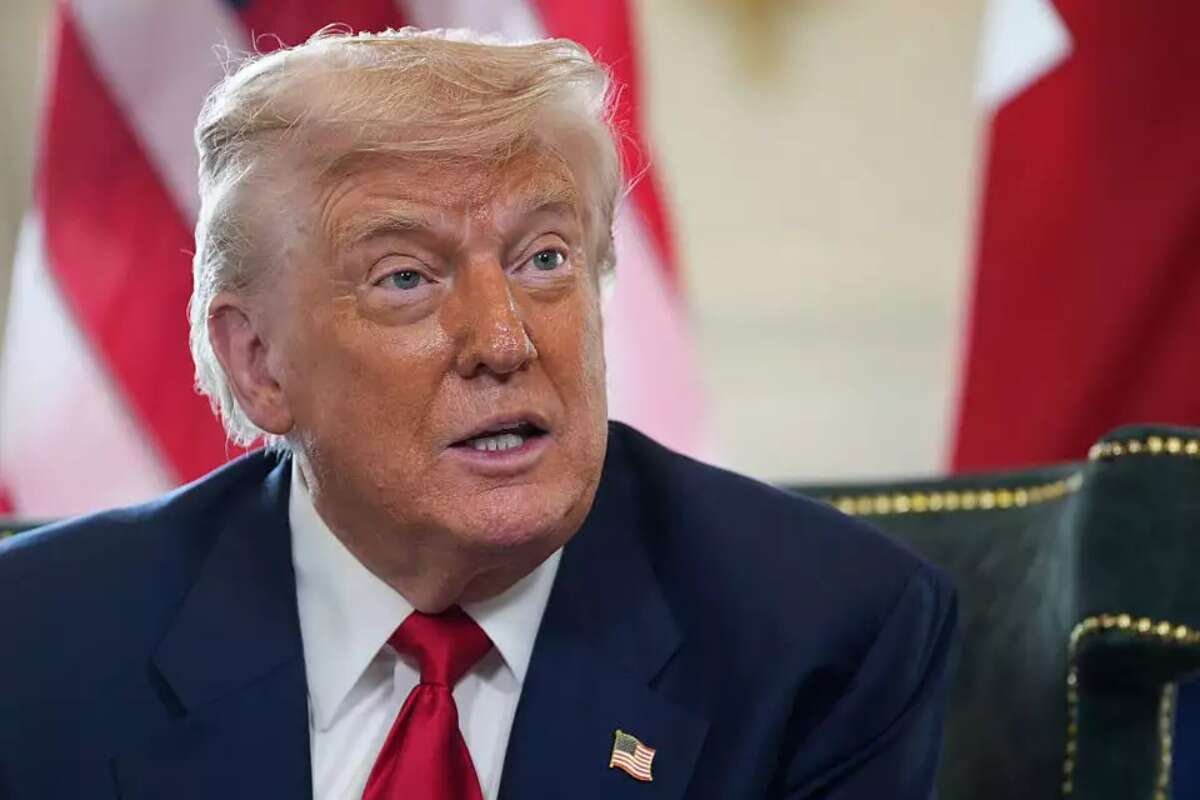
President Donald Trump announced new trade agreements with Japan that include, among other things, Japanese investments in the US totaling $550 billion, the opening of Japan's market to American imports, and the elimination of tariffs on US goods. According to estimates, these agreements could lead to economic growth in Japan along with various other benefits.
Tokyo's stock exchange features two main indices: the Nikkei and the Topix. What is the Nikkei 225 Index? It is the main index on the Tokyo Stock Exchange, calculated since 1949. The index includes the 225 companies with the highest market capitalization on the exchange. Stock weightings are updated annually in October and are determined by share price. As a result, about half of the index's fluctuations are driven by its 20 heaviest-weighted stocks. Additionally, investing in this index in shekels exposes investors to exchange rate fluctuations between the shekel and the Japanese yen.
Among the companies listed on the index are Toyota, the world's largest car manufacturer, with a market cap of 34 trillion yen; Sony, the electronics giant active in a range of sectors, with a market cap of 23 trillion yen; Mitsubishi Financial Group, one of Japan's largest banks, valued at 22 trillion yen; and others.
Since 2014, the Japanese government has taken measures to encourage households to invest in stocks, in addition to reforms introduced by the exchange itself to incentivize listed companies. Investment in the Japanese stock market can be made either through direct purchases of Japanese shares or via mutual funds and exchange-traded funds (ETFs) listed abroad or in Israel.
This article is not a substitute for personal investment advice.