

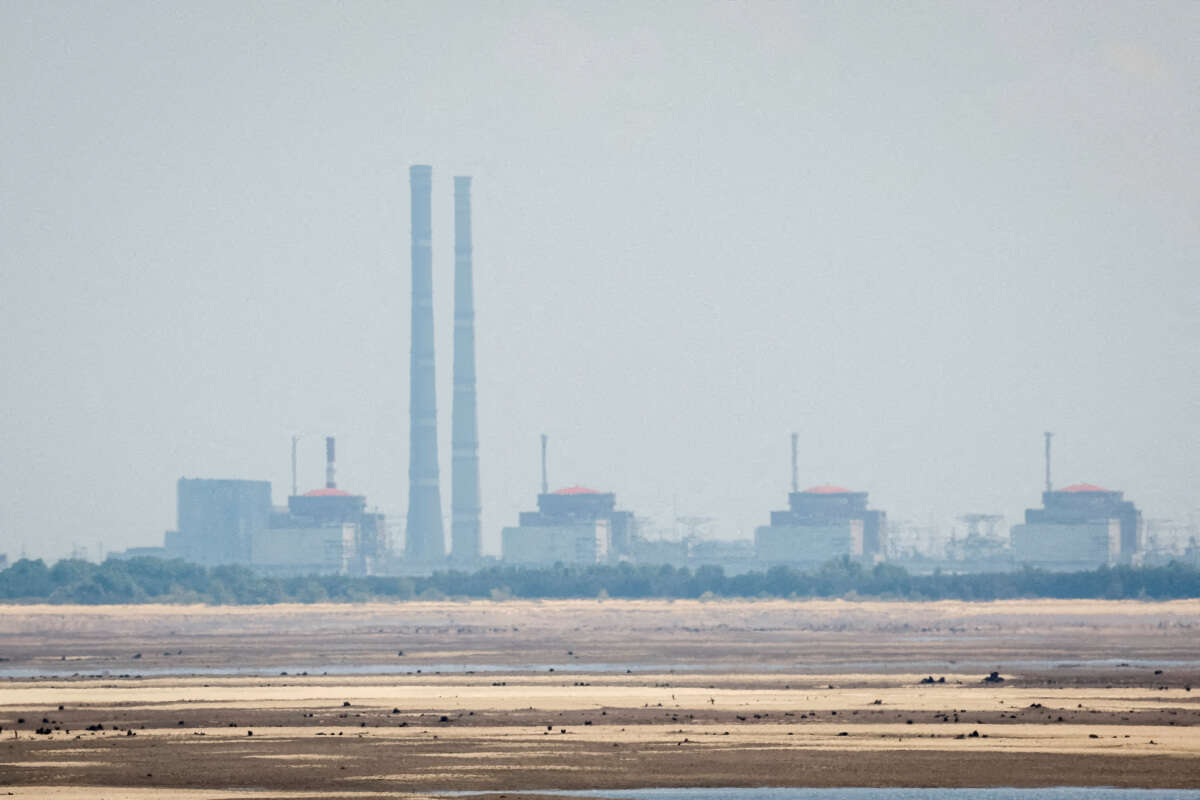
International nuclear safety inspectors directly observed explosions and smoke at Ukraine's Russian-occupied Zaporizhzhia nuclear power plant on Saturday, according to reports from The Kyiv Independent. The facility's staff reported that auxiliary buildings came under attack from shelling and drone strikes beginning around 9:00 a.m. local time, marking another dangerous escalation at the continent's largest atomic installation.
The Zaporizhzhia facility, which ranks as Europe's biggest nuclear plant and among the world's 10 largest, has remained under Russian control since March 2022. International Atomic Energy Agency personnel stationed at the site heard the blasts and witnessed smoke rising from the targeted area, according to Director General Rafael Mariano Grossi's statement to The Kyiv Independent.
Staff members at the nuclear complex informed the IAEA team that the auxiliary facility sustained damage from the bombardment, which coincided with military operations that agency personnel could hear from their position. The attacked buildings sit approximately 1,200 meters (0.75 miles) from the plant's main perimeter, yet smoke from the strike zone remained visible to monitors throughout the afternoon hours.
"Any attack in the vicinity of a nuclear power plant – regardless of the intended target – poses potential risks also for nuclear safety and must be avoided," Grossi stated, according to The Kyiv Independent. The IAEA chief emphasized the ongoing dangers, declaring that "once again, I call for maximum military restraint near nuclear facilities to prevent the continued risk of a nuclear accident."
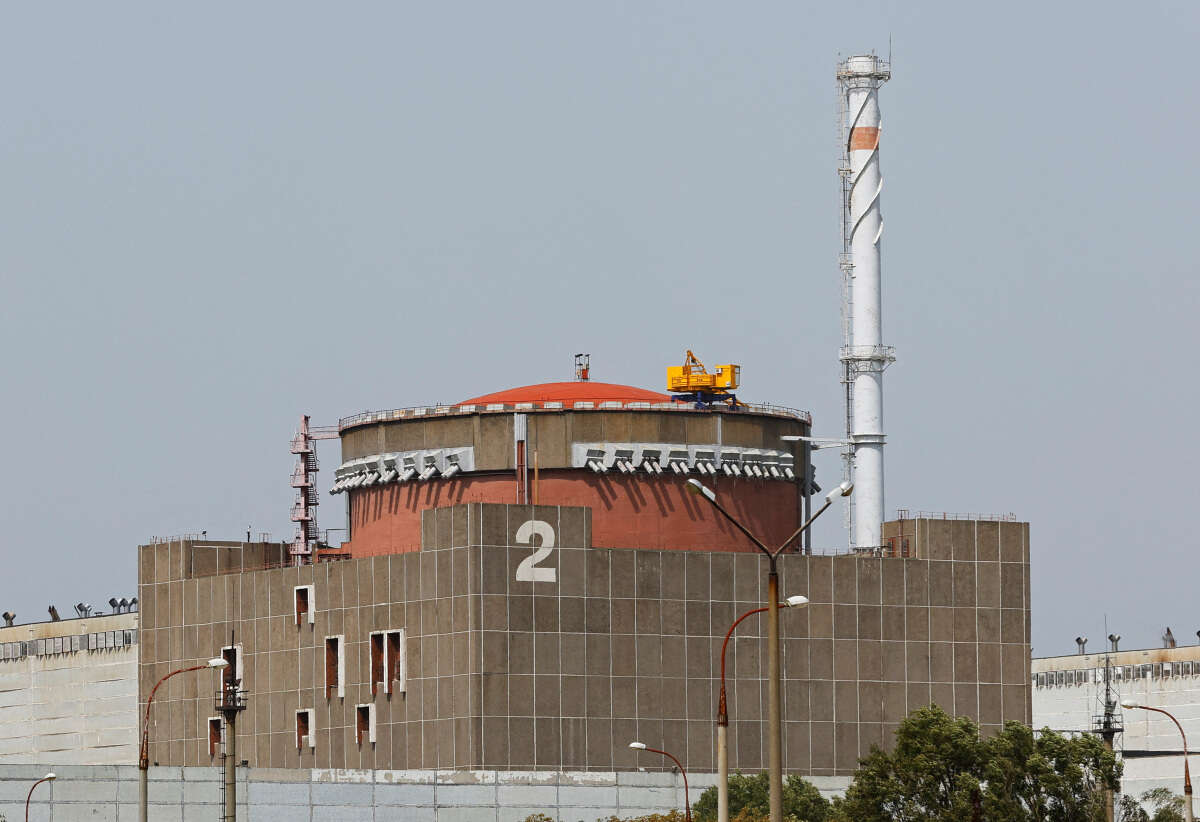
The Saturday incident represents the most recent in a series of concerning developments that underscore the persistent nuclear safety threats arising from Russia's military campaign against Ukraine. The facility has experienced multiple security breaches and power disruptions since falling under Russian occupation more than two years ago.

Meanwhile, satellite imagery analysis suggests Russian forces are constructing new electrical infrastructure that could connect the Zaporizhzhia plant to Russia's power grid. The New York Times reported in May, citing a Greenpeace investigation, that Russian personnel have installed over 80 kilometers (50 miles) of high-voltage transmission lines along the Sea of Azov coastline since February 2025.
The newly constructed power lines connect the occupied cities of Mariupol and Berdyansk, according to the Greenpeace report cited by The New York Times. Nuclear energy experts believe this construction aims to link these transmission systems to a major electrical substation near Mariupol, which could then channel power from the Zaporizhzhia facility located approximately 225 kilometers (140 miles) away.
The potential connection would enable Russia to redirect Ukrainian nuclear-generated electricity into its own national grid, effectively appropriating the energy production from Ukraine's most significant atomic facility.


