


Alongside the growing anti-Israel sentiment, Australia's Jewish community has been hit by a sharp surge in antisemitic incidents since the start of the war.
Call for sanctions against Israel
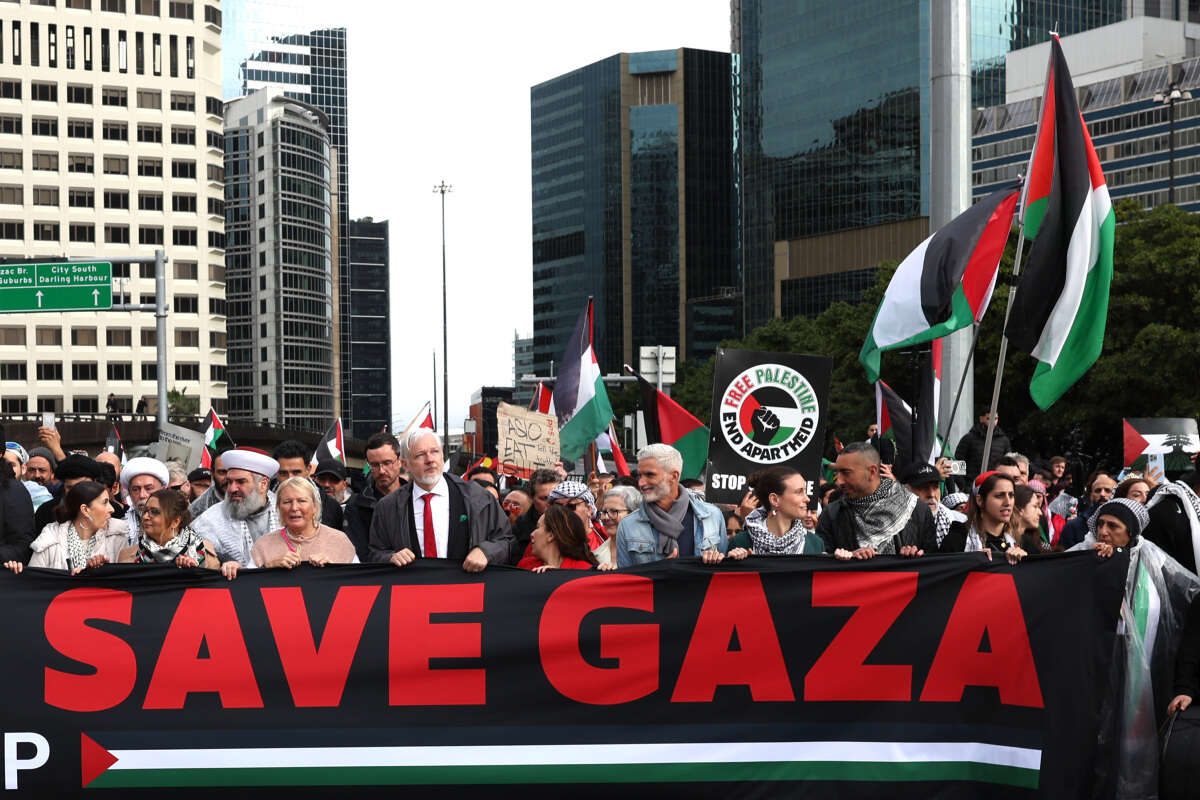
"We've had enough," said Doug, a man in his 60s interviewed by Reuters. "When people around the world come together and raise their voices, evil can be overcome." Some protesters carried images of Palestinian children.
Senator Mehreen Faruqi of the Greens party called in a speechfor "the harshest sanctions on Israel," accused the IDF of "massacring" Gaza's population, and condemned New South Wales Premier Chris Minns for opposing the rally. Labor MP Ed Husic took part in the protest and urged his party to officially recognize a Palestinian state.
Therese Curtis, an 80-year-old protester, said she felt compelled to march because of what she described as a contrast in medical access. "I have the human right and privilege of receiving excellent medical care in Australia," she said. "But people in 'Palestine' are having their hospitals bombed and are being denied that basic right. That's why I'm marching."

The Labor-led government in Canberra has not yet recognized a Palestinian state, but internal pressure on Albanese is intensifying. In a joint declaration issued last week with several other countries, Australia expressed a "willingness to positively consider recognizing a Palestinian state as a necessary step toward a two-state solution."
Albanese himself has said that blocking humanitarian aid and killing civilians is "indefensible and unacceptable," but stressed that any recognition would only happen if it contributed to advancing the two-state framework.
Unprecedented wave of antisemitism
Against the backdrop of rising anti-Israel protests, Australia has seen an unprecedented wave of antisemitic incidents since October 7.
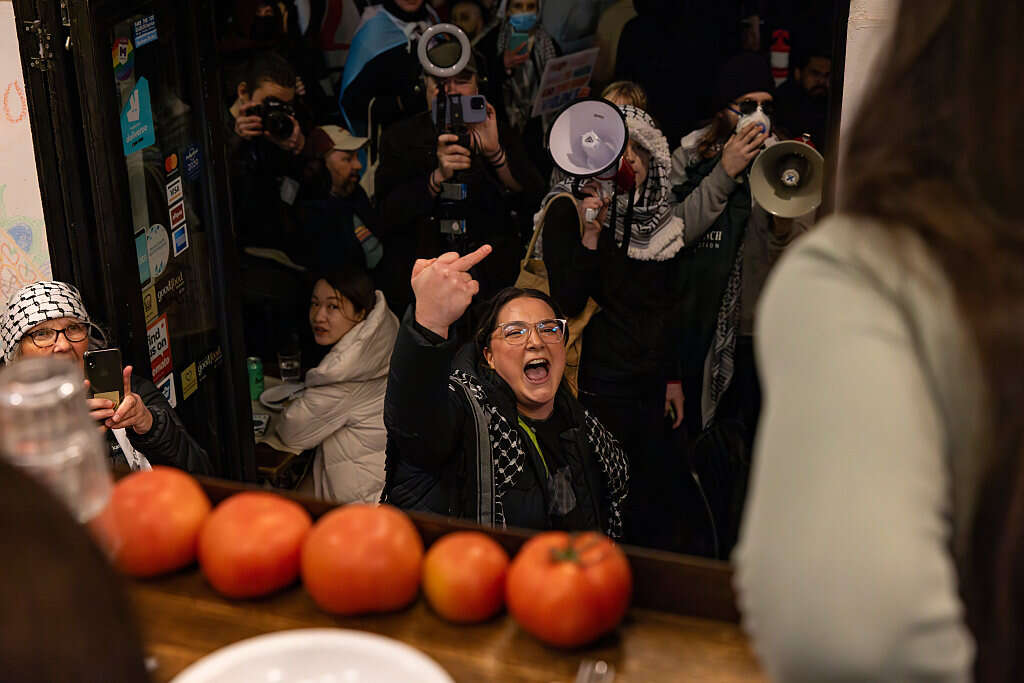
Last month, the East Melbourne Synagogue was set on fire while around 20 worshippers and family members, including children, were inside for a Shabbat meal. That same night, around 20 masked men wearing keffiyehs attacked "Miznon," the Israeli-owned restaurant of chef Eyal Shani in central Melbourne, shouting "Death to the IDF," throwing chairs, and smashing windows.
It was the second synagogue arson attack in Melbourne in less than a year. In December 2024, the Adass Israel Synagogue was completely destroyed in what police described as a terrorist attack. In January, federal police intercepted a caravan loaded with explosives intended to be detonated near a synagogue in Sydney.
Among the prominent figures at Sunday's protest was Julian Assange, the founder of WikiLeaks, who marched with his family and former Australian Foreign Minister Bob Carr.
Assange returned to Australia in June after reaching a plea deal with the US, under which he was convicted of espionage. He founded WikiLeaks in 2006 and published hundreds of thousands of classified US military and diplomatic documents, including records from the wars in Iraq and Afghanistan. The leaks are considered among the largest in US military history.


