

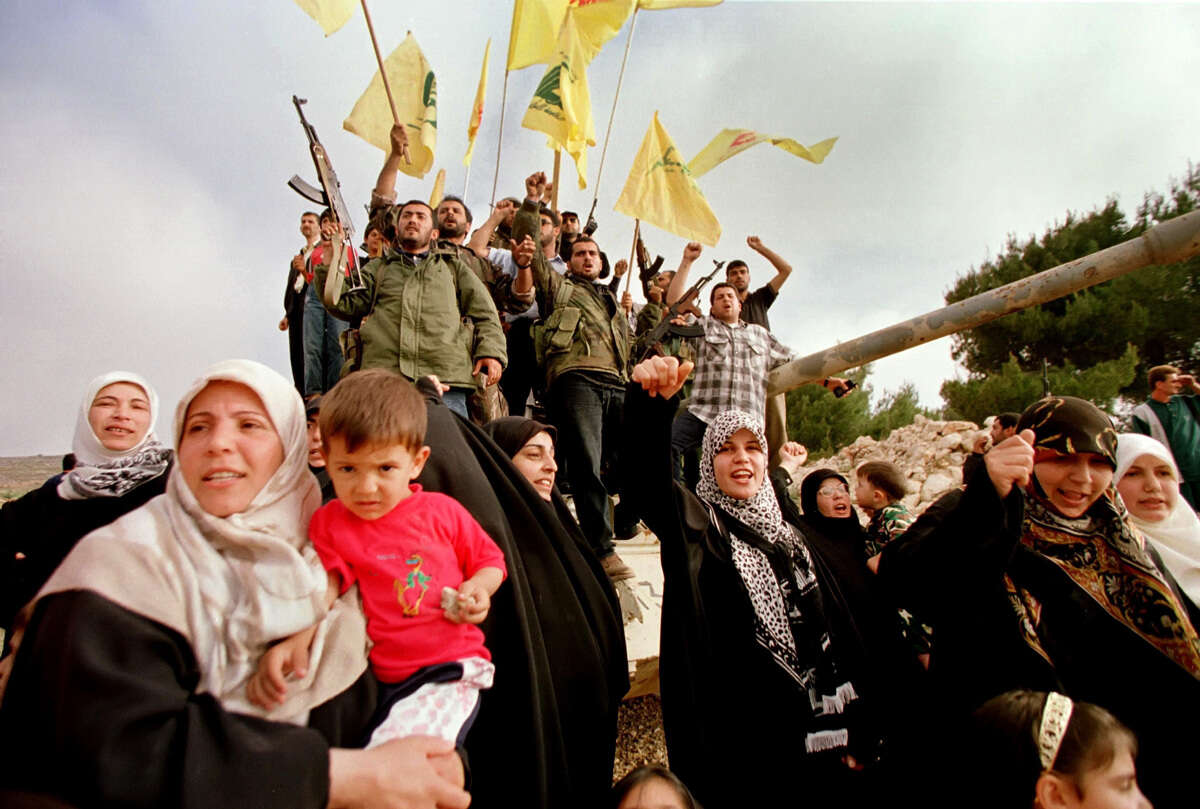
Against the backdrop of significant steps by Lebanon's government to weaken Hezbollah, a new position paper recommends that the American administration establish an alternative welfare system to Hezbollah's "dawah." According to the document compiled by Dr. Yossi Mansharof, an Iran and Hezbollah researcher at the Misgav Institute for National Security and Zionist Strategy, the step would severely damage the power base of the Iran-backed organization among the Shiite public in Lebanon.
According to Mansharof, such an economic move would complement and assist in the long-term efforts of the Trump administration to dismantle Hezbollah. "In the absence of a financial alternative, and in light of the economic dependence on Hezbollah's dawah system, and the multi-year indoctrination effort carried out under Iranian auspices among the community – the vast majority of the Shiite community remains loyal to Hezbollah. In order to harm Hezbollah's power and status, a comprehensive strategic plan is required from the three parties interested in its downfall: the Lebanese state, the Trump administration, and Israel," Mansharof said.
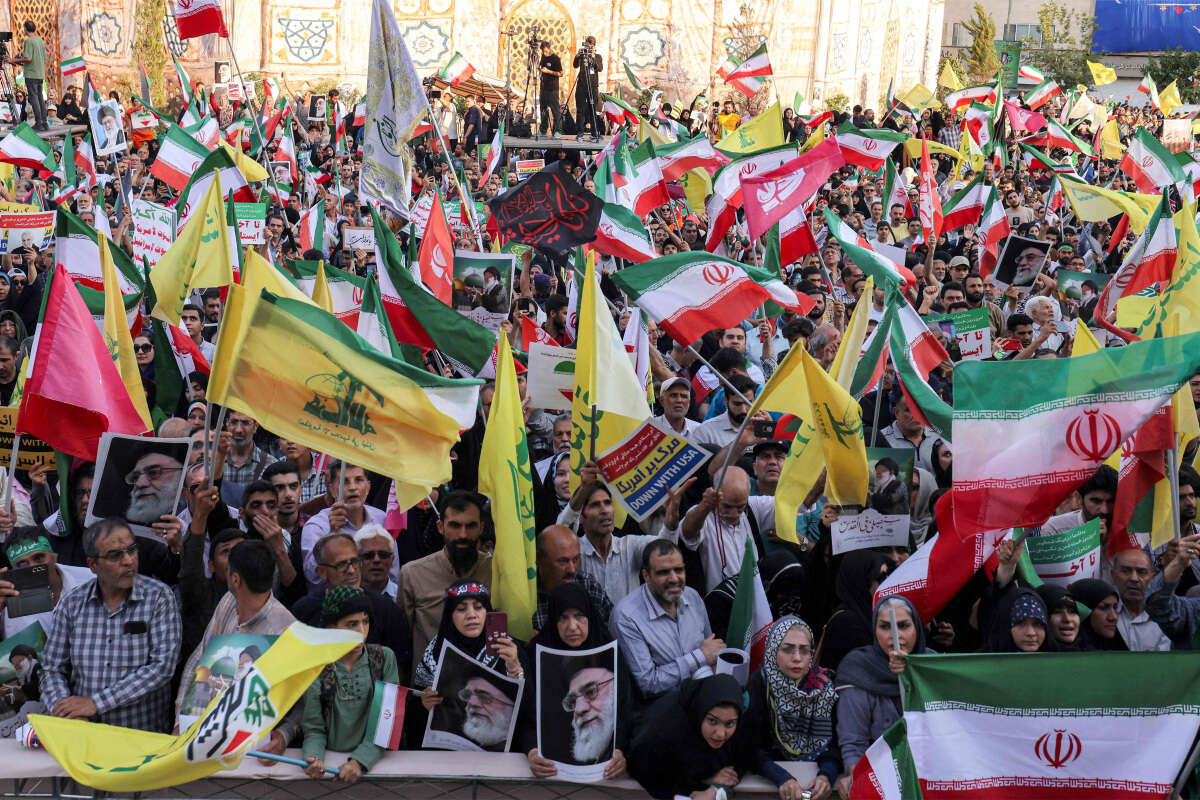
Mansharof believes that the pressures being applied by American envoy Tom Barrack are intended to reap "quick success against Hezbollah and symbolize a short-term perspective and aspiration to reap achievements in the immediate time frame. However, in order to challenge Hezbollah's extensive political and social influence among the Shiites in Lebanon, under Iranian auspices, long-term action is required," he said.
His recommendation is to establish a competing "dawah system" (welfare) to Hezbollah's extensive infrastructure of institutions, with an investment of billions of dollars. The American program would need to aspire to bring Lebanon's Shiites under the auspices of the Lebanese state. Shiites constitute, according to estimates, the largest ethnic group in the country, with about 40% (compared to Sunnis who comprise about 30% and Christians, 25%).
Mansharof notes that, like the Iranian-Hezbollah dawah, the competing American system would need to offer medical services, education, finance, charity, and more, in order to sever the Shiites' economic dependence on Hezbollah.
Additionally, he noted that "the US would need to strengthen Hezbollah's opponents among the Shiites in Lebanon, so that they would erode Hezbollah's power and influence among the community. Israel, for its part, would need to continue operating through kinetic and other means in an effort to ensure the prevention of Hezbollah's military and economic rehabilitation," he said.
In conclusion, Mansharof says that "Hezbollah sees its weapons as the secret of its existence, and is expected to reject the pressures for its disarmament. Alongside the American and Lebanese effort to disarm Hezbollah, significant economic investment by the US is required. This needs to be spread over an extended time, in order to offset the Iranian influence in Lebanon, which has been promoted over the last four and a half decades. Simultaneously, the US must strengthen Hezbollah's opponents in the political arena, in order to translate the economic investment into the political arena in the country," he said.


