


The Islamist government in Syria has facilitated the proliferation of radical Islamic ideology through systematic book distribution campaigns and the installation of new imams in mosques across the country, according to Syrian sources who spoke with Israel Hayom.
This initiative includes the widespread circulation of works by the contentious Islamic scholar Ibn Taymiyyah, alongside texts advocating violence against Jews, Christians, and other minority communities throughout Syrian streets and religious institutions.
Sheikh Ibn Taymiyyah, a 13th-century theological figure, championed jihadist principles, including warfare against civilian populations, while categorically denouncing Shia Muslims as heretics. His writings have gained particular prominence among ISIS and al-Qaida adherents, primarily due to his emphasis on strict Quranic and Hadith interpretation in religious jurisprudence.
Documentation provided to Israel Hayom reveals bookstore proprietors affiliated with Islamist networks celebrating their newfound ability to distribute these materials, which remained prohibited throughout Assad's tenure. While Assad's regime did support terrorist organizations, this support stemmed from different motivations, particularly alignment with Iranian geopolitical interests.
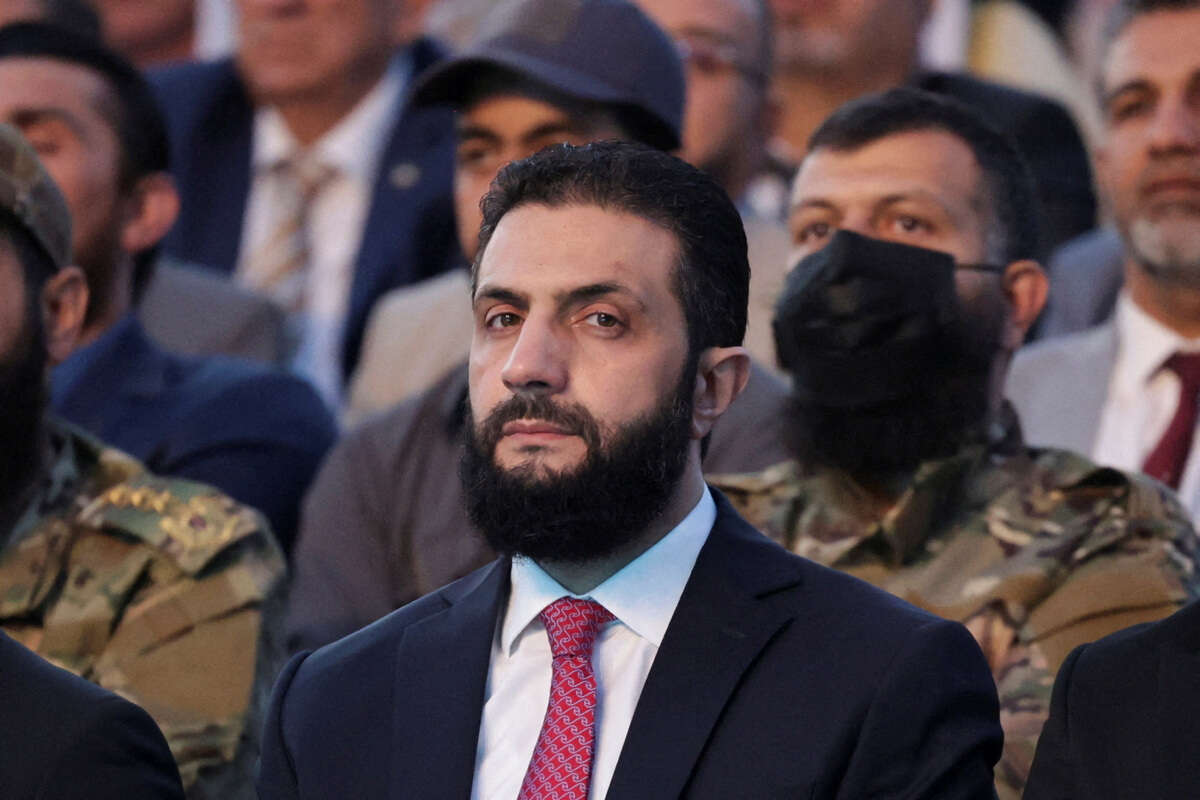
Syrian sources report these publications are being distributed through mosque networks and incorporated into clerical education curricula. Additionally, numerous mosque imams have been systematically replaced with ideologues who actively promote jihadist doctrine.
Evidence from recorded sermons demonstrates that Syrian mosques now openly commend foreign jihadist fighters who participated in anti-Assad insurgency operations. These sermons have been broadcast through official Syrian government media channels.
During one mosque sermon in Homs, a preacher declared, "Numerous enemies surround us. Internally, we face minorities, separatists, remnants from Assad's regime, and individuals who despise Muslim leadership. Externally, our adversaries are equally abundant. They seek to prevent us from achieving freedom and dignity, attempting to maintain tyrannical rule, imprisonment, exile, and resource exploitation. Our singular option remains steadfast unity, patience, and solidarity with our state and leadership. The greatest threat we confront is internal disorder. Defiance of leadership directives and excessive criticism foster rebellion and state delegitimization, ultimately enabling coups and destructive civil unrest."

Regarding these developments, one Syrian source expressed profound alarm, stating that "this project's continuation will inevitably produce armed organizations driven by extremist ideology, threatening not merely Syria's future, but representing a significant danger to neighboring countries and broader regional stability."
The source issued additional warnings concerning Syrian President Ahmed al-Sharaa's administration, noting, "Decision-makers in Israel and the United States likely remain unaware of the risks inherent in policies implemented under al-Julani's governance. These initiatives are cultivating jihadist generations that pose direct threats to Israeli national security."


