

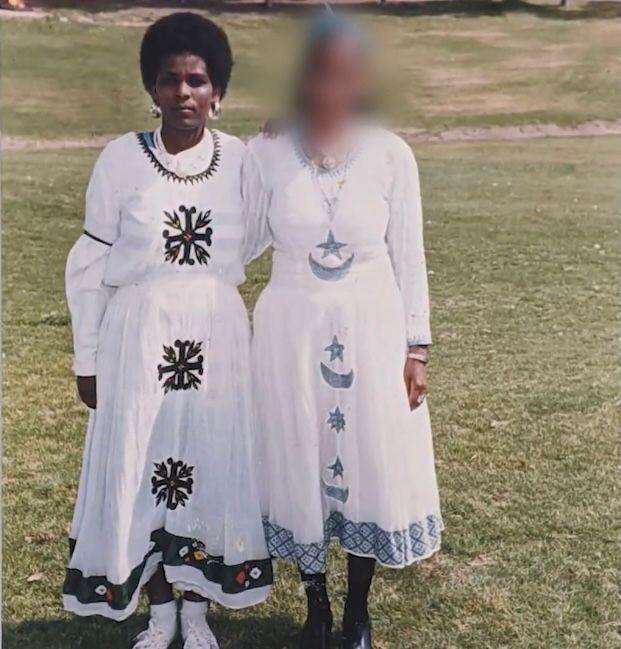
Ten years. That is the time that has passed since Osnat Barklin left her home in Ashkelon and vanished from the face of the earth. Ten years during which her two sons wake up every morning hoping their mother will open the door, ten years of desperate searches that end again and again in frustration. This is a mystery that troubles not just the grieving family, but also the investigative authorities, who consider this one of the most disturbing and mysterious cases of civilian disappearance in Israel.
Osnat Barklin, 45, a veteran immigrant from Ethiopia, was a single mother who lived a life of quiet and stubborn struggle. She worked temporary jobs, raised her two sons alone while fighting daily to make a living, and dealt with severe financial difficulties. In the years leading up to her disappearance, she was injured in a car accident that further worsened her financial and emotional condition. But on that winter day in February 2015, when she kissed her younger son on the forehead and left the house toward the nearby playground, no one could have imagined this would be the last time anyone would see her.
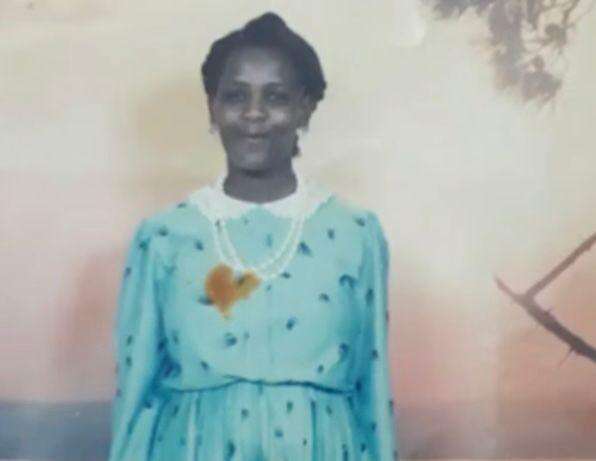
"She kissed me on the forehead and then left the house. When I woke up in the morning, I saw she still wasn't here," Oral Barklin, the younger son, describes. "What worried me was that she left her cell phone at home, because she never leaves her bag here." According to a security camera in the neighborhood, Barklin left her home, where she met a family member who was sitting on a bench outside the building. She continued toward the nearby playground, where her tracks disappeared, and began a mystery that continues to this day.
Avraham Barklin, her older son, remembers the devastating feeling when he realized something was wrong. "It's very hard for me to talk about what happened that day, because it's like everything falls on me. You tell yourself this can't be, and it's really happening. You're not ready to believe it. Where is your mother?" he recounts painfully. The phone call he received from his mother's workplace was the beginning of the nightmare. "That day, they called me and said she hadn't come to work for two days already. I try to call mom and she doesn't answer," he describes. When he arrived home and didn't find his mother, he tried to inquire among neighbors and acquaintances, but in vain. "I tried to find out a bit, maybe the neighbor, maybe someone here in the area saw, but nothing and nothing at all. It stressed me out."
The shocking discovery came when a police officer investigating the case found a letter that Osnat had left for her sons in the house. In heartbreaking words, she wrote, "My beloved children, I always wanted to be a normal mother, loving, loving her children. But I failed. I always thought only of myself. I couldn't manage, I tried because I am a person with strong determination. Now I've run out of strength. I'm tired of being in constant fear. Financially." The letter revealed the depth of despair that Osnat felt, but despite its contents, her body was never found – and the family was left without a clue.
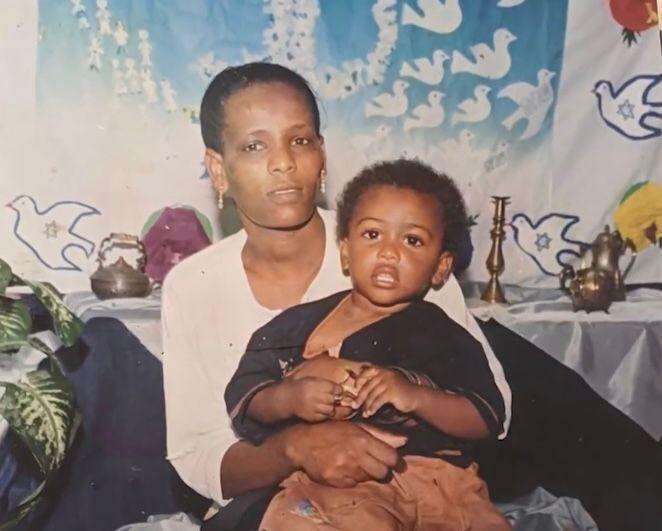
Mike Ben Yaakov from the National Dog Unit describes the ongoing efforts to locate Osnat. "We deployed several search teams with tracking dogs in open areas, using additional technological means." He emphasizes that despite the passage of time, the unit does not despair. "We searched within a radius of several kilometers, including orchards, dune areas, and the coastal area. The searches continue." According to him, there is a familiar phenomenon in missing person searches. "There were cases where we searched for a particular missing person, and during the searches, we found remains of other missing persons." This fact provides hope mixed with anxiety for families of the missing.
"A mystery like Haymanot Kasau"
Avraham tells of their difficult decision to continue living in their mother's house. "I tell myself, the day will come, and she'll come home. I don't know anything. As far as I'm concerned, I left everything in the same condition as it was. Her clothes remained in the house, her bank account. In the end, 10 years have passed, but at least to leave the existing situation more or less." Oral, the younger son, tries to understand the incomprehensible. "It's like a very strange disappearance, like the mystery of Haymanot Kasau. She just disappeared, without any logic. And there are people like that in the State of Israel who just disappear." He connects his mother's case to the broader phenomenon of civilian missing persons in Israel, a phenomenon that receives little attention.
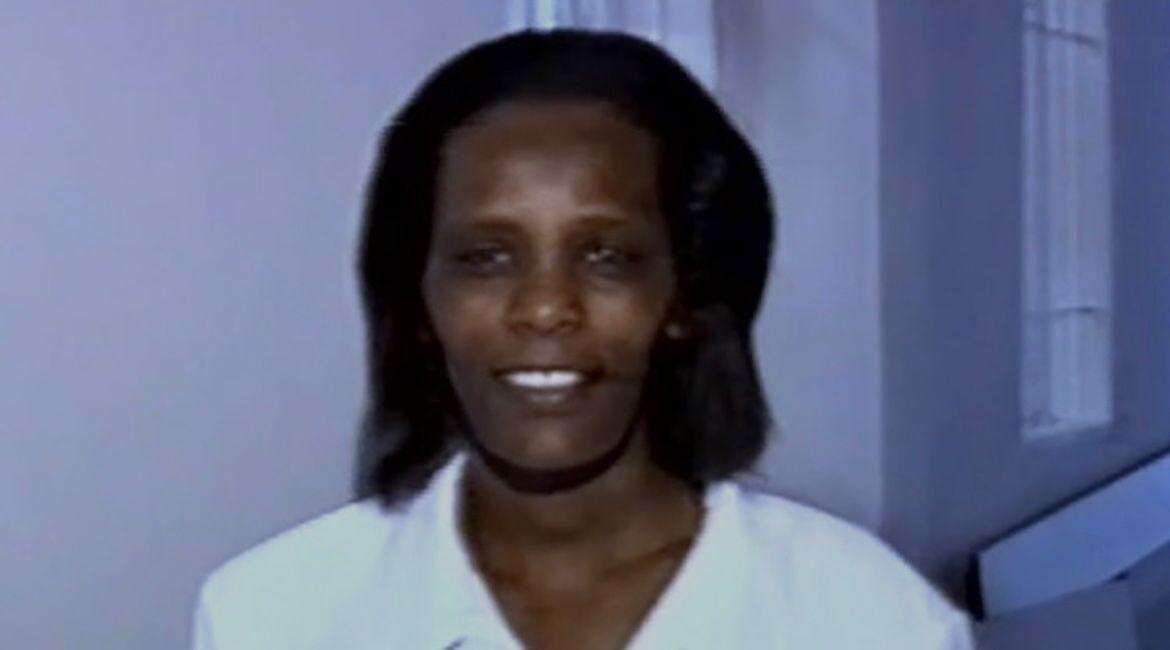
Sarah, Osnat's sister, refuses to believe her sister left voluntarily. "She had no help; she had difficulty. Financial too. She raised her two children alone; she's a fighter. And I don't believe she can leave her children. A mother who loves her children so much."
Ten years after the disappearance, Oral still addresses his missing mother with a heartbreaking plea. "Stop the nonsense, come back. We'll take care of you for everything you need. Everything you've been missing will be provided. If you need help with pain, we'll take care of you. I'll turn the world upside down for you. Just come back."
The struggle to find Osnat received reinforcement from the "Bil'adeihem" organization, which was established by Daniel Minivitzky's parents one year after his disappearance. The organization reported that "recently, there was new information that Osnat Barklin's face was directed toward the dunes of Ashkelon, but the searches yielded nothing." The organization currently works to create a revolution in treating civilian missing persons. "Our goal is to enact a law that will regulate the legal status of civilian missing persons and allocate financial aid to families."
Osnat Barklin's story sheds light on a broad social problem – thousands of families in Israel live in a similar reality, suspended between hope and despair, between memory and the dream that one day they will receive the hidden answer.


