The Eastern Mediterranean has once again become a focal point of global attention. Vast offshore gas discoveries—Israel's Leviathan, Egypt's Zohr, Cyprus's Aphrodite—offered the promise of prosperity and cooperation. Yet instead of binding the region together, overlapping maritime claims, old rivalries, and new security threats have turned the basin into a contested region.
Energy and maritime disputes
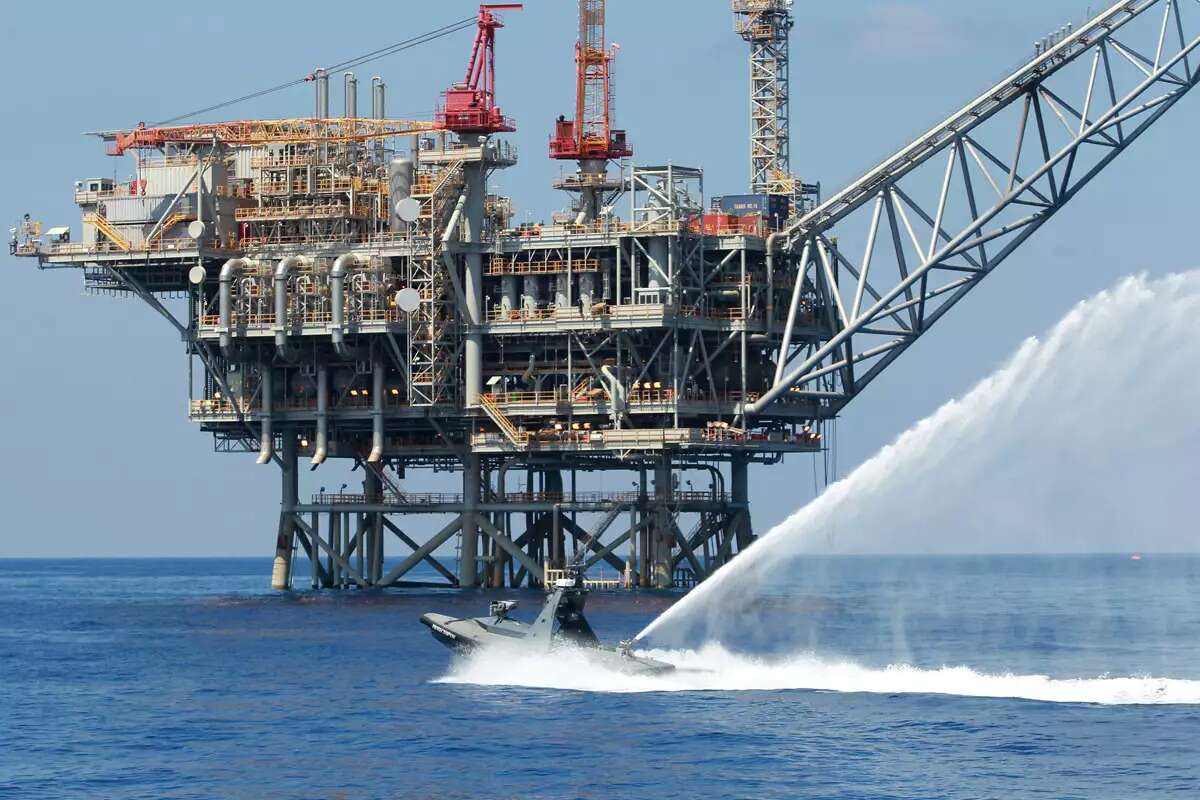
Energy remains the core driver of both opportunity and tension. Israel's gas exports to Egypt and Jordan have strengthened its regional role, while planned projects with Greece and Cyprus aim to connect East Med gas to European markets. But Hezbollah's missile threats to offshore platforms, instability in Gaza, and the unresolved Israel-Lebanon maritime boundary continue to deter investment.
Meanwhile, Turkey's "Blue Homeland" doctrine challenges the maritime boundaries claimed by Greece and Cyprus under international law. June 2025 saw Ankara publish a new maritime zoning map that Athens rejected as illegal. Although both sides have pursued cautious rapprochement, such moves show how fragile the détente remains.
Regional actors' calculations
For Israel, East Med gas is both an economic asset and a strategic lever. It bolsters partnerships with Greece, Cyprus, and Egypt, but also requires careful security management to protect infrastructure.
Turkey seeks to position itself as a regional energy hub—courting Israel for pipeline talks while expanding ties with Russia via TurkStream—yet its assertiveness keeps tensions high.
Egypt, as home to LNG export terminals, positions itself as the basin's liquefaction hub, buying Israeli gas and hosting the Eastern Mediterranean Gas Forum (EMGF) to promote cooperation.
Greece and Cyprus continue to align closely, leveraging EU support to defend their EEZ claims and deepen trilateral security cooperation with Israel and Egypt.
External powers and strategic stakes
The United States backs energy cooperation and security in the region, mediating disputes and maintaining a naval presence to deter escalation. The EU, seeking to diversify from Russian gas, supports East Med projects but is mindful of Turkey's role. Russia, through its military base in Syria and ties with Turkey, remains a disruptive but influential player.
Risks and opportunities
The Eastern Mediterranean stands at a crossroads. Energy could be the catalyst for a new era of regional cooperation—through joint development zones, dispute resolution, and integrated export routes. But zero-sum nationalism, unresolved conflicts, and the risk of military incidents could lock the region into another cycle of rivalry.
For now, overlapping interests offer a slim but genuine chance for de-escalation. If regional leaders choose pragmatism over provocation, the East Med's gas wealth could power not just economies, but a rare moment of stability in a historically volatile sea.