


Semiconductor giants Nvidia and AMD have entered into an extraordinary agreement to provide the US government with 15% of revenues generated from chip sales to China, according to Financial Times reporting. This unprecedented arrangement serves as a condition for obtaining export licenses that allow continued access to the Chinese market.
Financial Times reported that the two major chipmakers accepted this financial obligation to secure export permits for their Chinese operations, which were granted last week. The unusual deal represents the first instance of American companies agreeing to share revenues with the government to obtain export authorizations.
A US official disclosed that Nvidia committed to providing 15% of revenues from H20 chip sales in China, while AMD agreed to the same percentage from MI308 chip revenues, Financial Times learned. Sources familiar with the arrangement indicated the Trump administration has not yet determined specific uses for these funds.

Financial Times previously reported that the Commerce Department began issuing H20 export licenses on Friday, occurring two days after Nvidia chief executive Jensen Huang met with President Donald Trump. The same US official confirmed that the administration also commenced issuing licenses for AMD's China-specific chip.
This quid pro quo arrangement breaks new ground in export control policy. Export control specialists confirmed that no US company has previously agreed to pay revenue portions to secure export licenses. However, the deal aligns with Trump administration patterns of encouraging companies to adopt specific measures, such as domestic investments, to avoid tariff impositions while generating American jobs and revenue.
AMD declined to respond to requests for comment. Nvidia did not deny the arrangement's existence, stating that the company follows "rules the US government sets for our participation in worldwide markets."

Bernstein analysts calculated that, based on Nvidia's pre-control guidance from earlier this year, the company would have sold approximately 1.5 million H20 chips to China in 2025, generating roughly $23 billion in revenue.
The development follows ongoing controversy surrounding the H20 chip. Nvidia specifically designed the H20 for Chinese markets after President Joe Biden implemented stringent export controls targeting more advanced chips utilized for artificial intelligence applications.
Trump administration officials announced plans to ban H20 exports to China in April. However, Trump reversed this decision in June following his meeting with Huang at the White House. During subsequent weeks, Nvidia grew concerned as the Bureau of Industry and Security, the Commerce Department division managing export controls, failed to issue licenses.
Huang addressed this concern directly with Trump during their Wednesday meeting, according to sources familiar with the discussion. The Bureau of Industry and Security subsequently began issuing licenses on Friday.
The H20 revenue arrangement emerges amid criticism facing both Nvidia and the Trump administration regarding decisions to sell the chip to China. US security specialists argue the H20 will enhance Chinese military capabilities and undermine American artificial intelligence leadership.
"Beijing must be gloating to see Washington turn export licences into revenue streams," stated Liza Tobin, a China expert who served on the National Security Council during Trump's first administration and currently works at the Jamestown Foundation. "What's next – letting Lockheed Martin sell F-35s to China for a 15% commission?"
Bureau of Industry and Security officials have also voiced concerns about the policy reversal, according to individuals familiar with internal discussions.
Former deputy national security adviser Matt Pottinger, a China specialist from Trump's initial term, joined 19 other security experts in writing to Commerce Secretary Howard Lutnick urging against granting H20 licenses.
The experts characterized the H20 as a "potent accelerator of China's frontier AI capabilities" that would ultimately serve Chinese military purposes. Nvidia dismissed these assertions as "misguided" and rejected suggestions that China could employ the H20 for military applications.
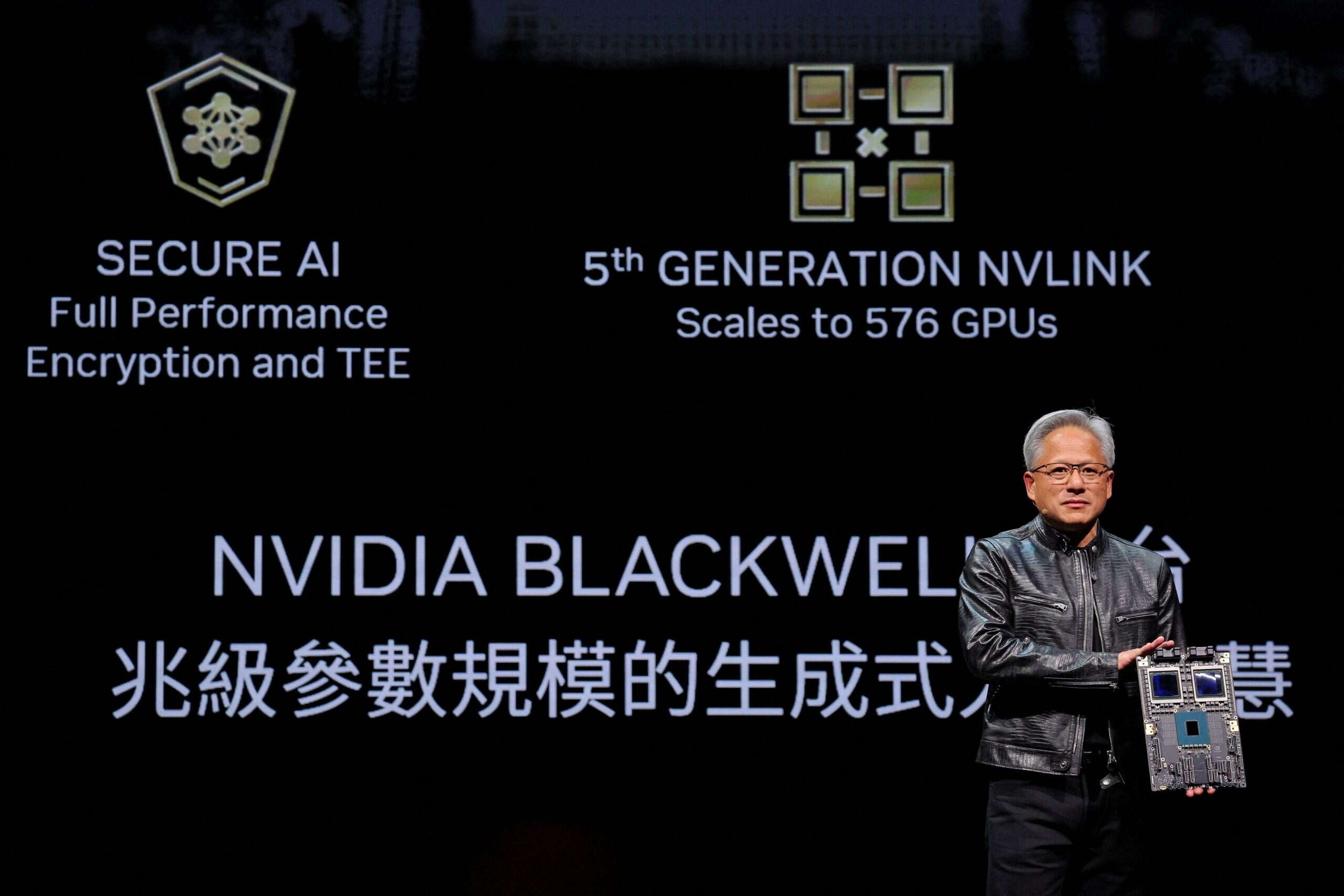
Nvidia issued a statement Saturday defending its position: "While we haven't shipped H20 to China for months, we hope export control rules will let America compete in China and worldwide. America cannot repeat 5G and lose telecommunication leadership. America's AI tech stack can be the world's standard if we race."
The Washington debate over chip export control policies unfolds as the US and China conduct trade discussions that Trump anticipates will facilitate a summit with Chinese President Xi Jinping. Financial Times previously reported that the Commerce Department received instructions to freeze new export controls on China to avoid provoking Beijing.
Concerns about potential Trump administration easing of controls to accommodate China arise as Beijing advocates for relaxed restrictions on high-bandwidth memory chips, critical components for manufacturing advanced AI semiconductors.


