

The nearly century-old tradition of Belgium's Jewish community requesting holiday greetings from government leaders met an unprecedented end when Flanders Provincial President Matthias Diependaele declined their customary New Year blessing request with a series of conflicting justifications that sparked immediate political controversy.
The initial rejection letter from Diependaele's cabinet explicitly cited Middle East tensions as grounds for avoiding any Jewish community engagement. "Anything related, however slightly, to this conflict is under close monitoring and examined under a magnifying glass," the cabinet wrote to Jewish community leaders, adding they could not "respond to your request" for traditional new year greetings due to regional sensitivities.
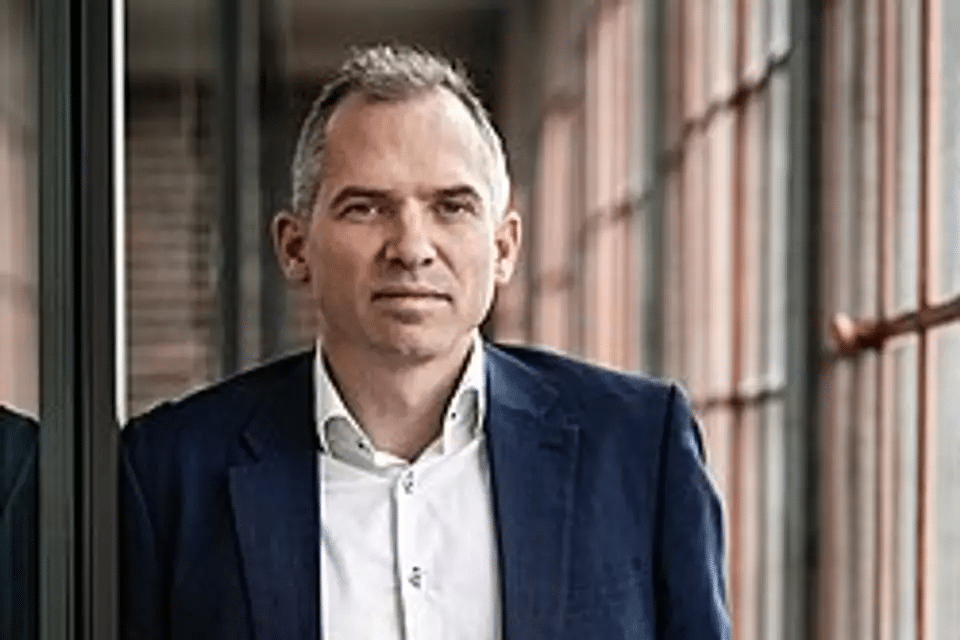
When public outrage erupted over the explanation, Diependaele personally intervened with a second letter attempting to reframe his refusal. Rather than acknowledging error, the provincial president claimed his rejection stemmed from a 15-year policy of avoiding all religious activities, including Muslim Eid celebrations and Catholic Te Deum services.
"My refusal stems solely from the principle that for more than 15 years in my role as a people's representative, I have not supported religious activities," Diependaele wrote in his personal clarification. "I am convinced that no religion, including mine, plays any role in fulfilling my mandate."
The explanatory shift drew fierce criticism from opposition politicians who characterized both justifications as discriminatory and cowardly. Parliament Member Sam van Rooy from the Vlaams Belang party accused Diependaele's cabinet of influence from "extreme left people who are either Jew haters or cowards, or the combination of both."
Van Rooy specifically targeted the ruling N-VA party's apparent policy evolution, noting that after initially supporting Israel following October 7, the party now appears to be "turning against Israel as a result of pressure from the left in the country, including from some coalition parties."
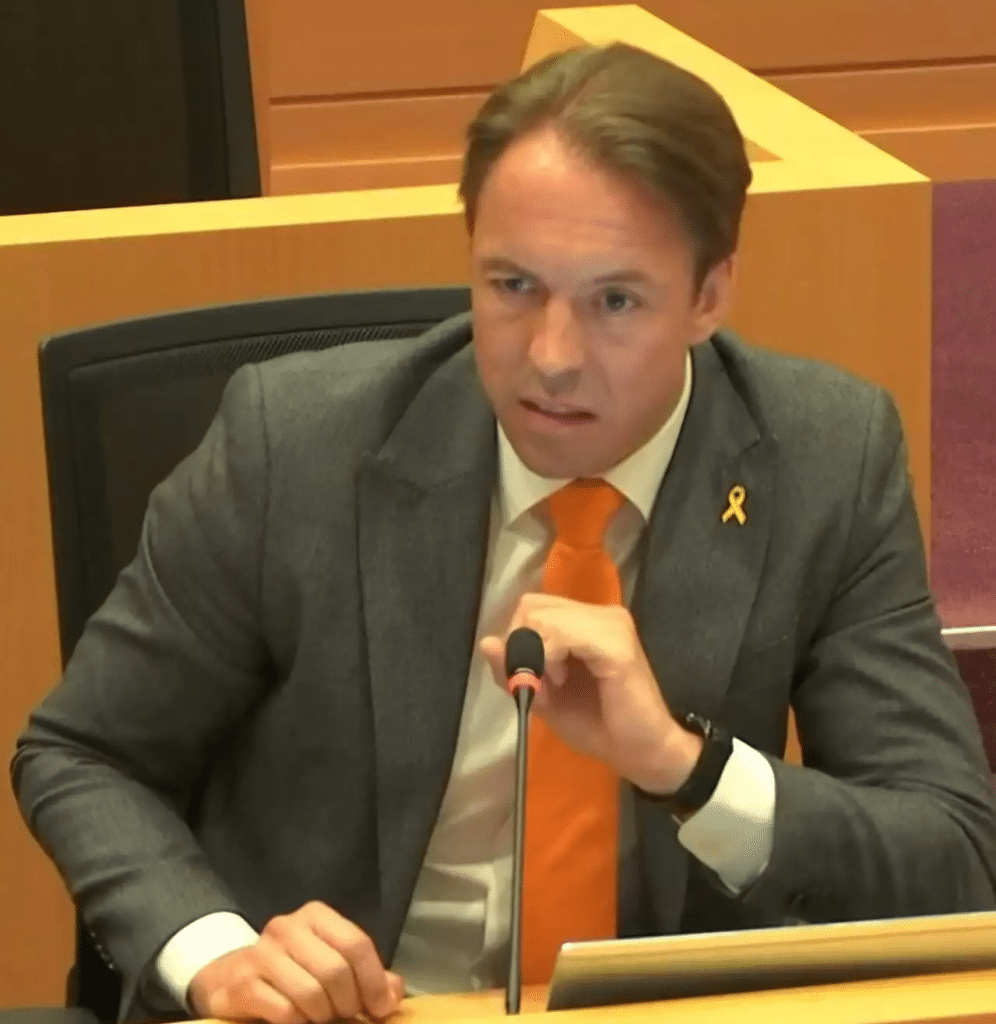
"The letter he sent afterward made matters worse and only intensified criticism," van Rooy said. "He is still not willing to wish Jews 'happy new year' because he wants to be neutral, and that's just nonsense."
The controversy emerges against a backdrop of escalating antisemitic incidents in Belgium's major cities, particularly in Antwerp and Brussels, where Jewish community leaders report unprecedented levels of street harassment and attacks. Van Rooy emphasized that this timing makes official support more crucial than ever.
"Especially now, when Jews are under attack, the level of antisemitism in the streets of Antwerp and Brussels is skyrocketing. This is the time to show support for Jews and wish them a happy new year. It's simply a shame," the politician concluded.


