


A $55 million oil tanker purchased by the UN to avert an environmental spill off Yemen's coast has effectively become a floating gas station for the Houthis and a key tool for Russia to bypass international sanctions, according to a new Wall Street Journal analysis.
The report says the Yemen tanker, acquired in 2023 to replace a corroded vessel and prevent an ecological disaster, has become the Houthis' primary maritime storage hub and a central pillar of their war economy.
Though officially handed over to Yemen's internationally recognized government, the tanker is in practice under Houthi control. According to the analysis, it transferred more than 1 million barrels of Russian oil between early 2024 and June 2025. Even as the Houthis target commercial shipping in the Red Sea and threaten global trade, the UN continues to bankroll the tanker's operations at $450,000 per month.
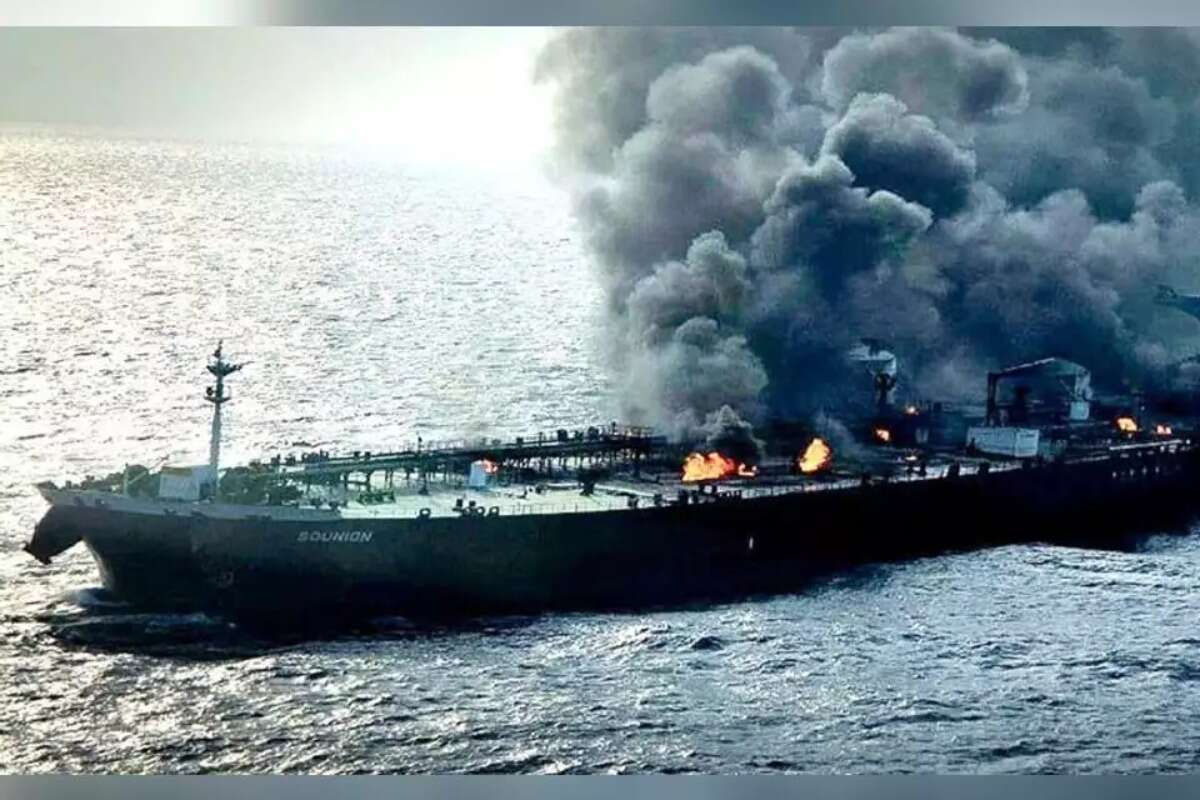
What began as a well-intentioned environmental safeguard has, the report argues, turned into a strategic blunder. The tanker was meant to replace the decaying Safer, a a floating oil storage and offloading vessel, moored off Yemen and at risk of spilling four times as much oil as the Exxon Valdez disaster - which could have cost an estimated $20 billion to clean up.

The analysts wrote that the UN's decision was "naïve, poorly executed, and left open to predictable exploitation." They note it is not the first UN misstep to benefit the Houthis, nearly half of UN employees currently held hostage worldwide are in the Houthis' custody, and the UN continues to operate from Houthi-controlled Sanaa instead of moving to Aden.
The Houthis' control of the tanker and the port of Hodeidah, emboldened by the 2018 Stockholm Agreement, has enabled them to attack more than 100 merchant vessels since November 2023, including assaults that directly affected Israel and disrupted Red Sea trade.
The analysis recommends that the Trump administration must go beyond restricting oil deals in Houthi controlled areas and designate the Yemen tanker as a Houthi linked asset, which would subject intermediaries and cooperating vessels to secondary sanctions. "Good intentions are no substitute for good strategy when confronting Iran's terrorist proxies," it concludes.


