

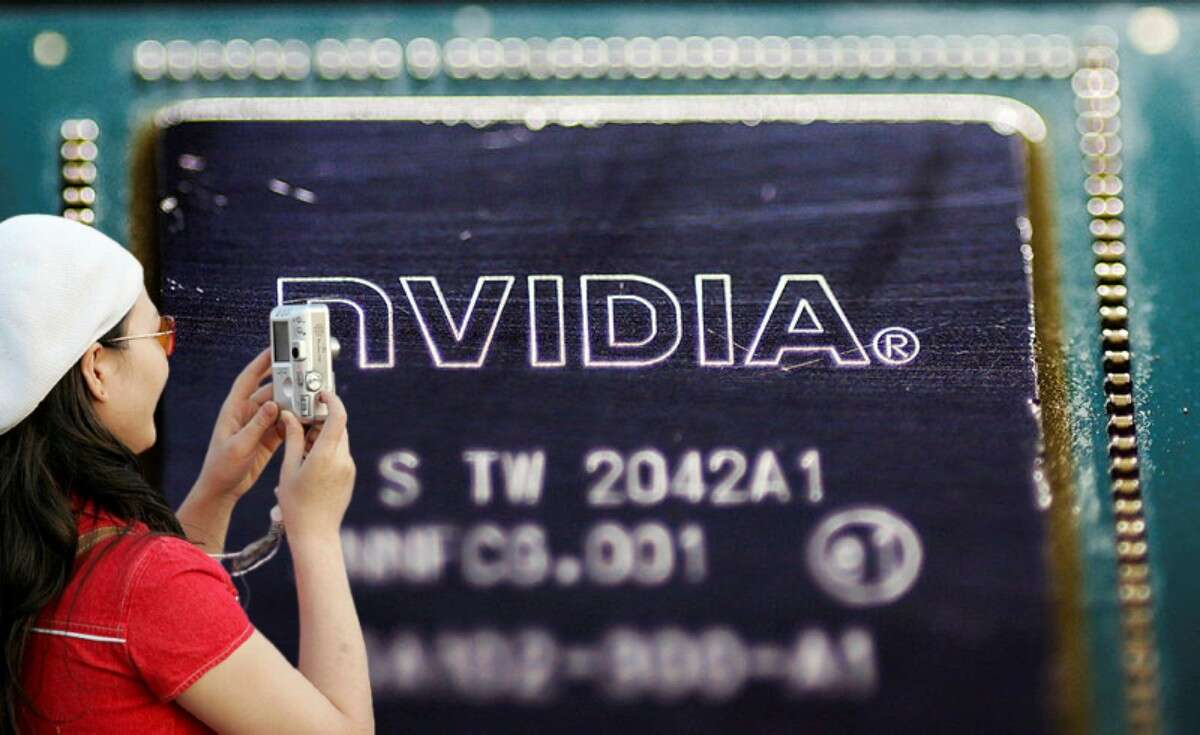
Nvidia is actively developing a new AI chip tailored for China, utilizing its advanced Blackwell architecture to deliver superior performance compared to the H20, which it can currently sell in the region, according to Reuters. Two individuals with knowledge of the project revealed that this chip aims to strengthen Nvidia's foothold in a key market amid ongoing US-China trade tensions.
Codenamed the B30A, the chip features a single-die configuration, providing roughly half the computing power of Nvidia's top-tier B300 accelerator card, Reuters reported. Unlike the dual-die structure of more advanced models, this design consolidates critical components onto one silicon piece. The B30A will include high-bandwidth memory and Nvidia's NVLink for efficient data transfer, mirroring capabilities found in the H20, which relies on the older Hopper architecture.
According to Reuters, Nvidia plans to distribute B30A samples to Chinese customers for testing as soon as September, although final specifications are still being refined. The initiative follows US President Donald Trump's recent indication that he might allow sales of more advanced Nvidia chips in China. Yet, Reuters sources cautioned that US regulatory approval is uncertain, given Washington's apprehensions about China accessing sophisticated AI technology.

China represented 13% of Nvidia's revenue last year, underscoring its market significance. Reuters cited Trump's remarks last week, where he called the H20 "obsolete" and suggested a new chip could have "30% to 50% off" in computational capacity. This aligns with a new agreement mandating Nvidia and AMD to allocate 15% of revenue from specific advanced chip sales in China to the US government.
Nvidia emphasized compliance in its statement to Reuters: "We evaluate a variety of products for our roadmap, so that we can be prepared to compete to the extent that governments allow." It further noted that its products are "with the full approval of the applicable authorities and designed solely for beneficial commercial use." US legislators, however, remain wary that even less powerful AI chips could hinder America's AI dominance.
Additionally, Nvidia is preparing a second China-specific chip, the RTX6000D, focused on AI inference and based on the Blackwell architecture, Reuters sources indicated. Priced below the H20, it uses GDDR memory with a bandwidth of 1,398 gigabytes per second, just under the US export restriction threshold of 1.4 terabytes. Deliveries of the RTX6000D to Chinese clients are slated for September.
Amid these developments, Chinese state media have flagged potential security risks with Nvidia's chips, leading to advisories against H20 purchases. Nvidia counters that its chips have no backdoor vulnerabilities. Meanwhile, Huawei's progress in chip technology poses a competitive threat, though it trails Nvidia in software ecosystem and memory bandwidth capabilities, per analysts cited by Reuters.


