


At the height of her career and success, with her beauty brand generating billions in sales revenue, Huda Kattan, founder and CEO of Huda Beauty, found herself in early July embroiled in an unprecedented media storm that threatens to alter the future of her brand and her standing in the global beauty industry.
The dramatic move illustrating the scale of the crisis that began in July now comes as Sephora, the global chain and exclusive North American retailer that has sold the brand's products since 2015, decided to remove Huda Beauty from the upcoming fall "Experts" campaign, according to reports on the media website Puck. The campaign represents one of the largest and most important makeup campaigns in the chain, designed to provide a platform for leading brands led by professional makeup artists.
The campaign expected to launch next September will include brands like Westman Atelier by Gucci Westman, One/Size by Patrick Star, Makeup by Mario by Mario Dedivanovic, and possibly the M.ph brand by Mary Phillips and Hung Vanngo, which will begin selling at Sephora on August 22 and September 8 respectively. The absence of Kattan ,41, who leads one of the best-selling makeup brands in the store, is nothing less than an earthquake for the beauty industry.
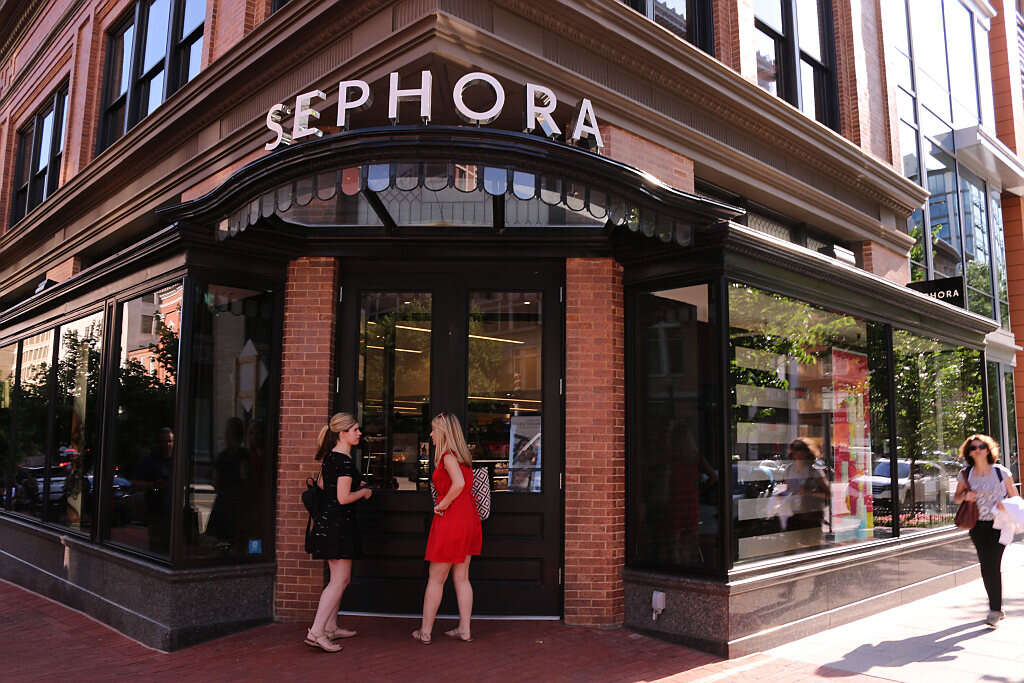
Kattan was supposed to serve as a central figure in the campaign with prominent visibility in storefront windows, at the front of stores, and on display tables. This represents one of the largest makeup campaigns of the year, with most brand activities built around the messages and visibility presented in it. Removing the brand from the campaign so close to launch is a complex and expensive logistical move reflected in significant changes to creative content, inventory, and internal and external communications updates. A source close to Sephora described it as "moving mountains" – a serious decision that signals red flags about the scale of the storm.
The video that sparked the storm
The controversy began when Kattan shared a video on her TikTok with millions of her followers in July, in which she made false claims not supported by historical facts that Israel was responsible for World War I and World War II, the September 11 attacks, and the Hamas attack in October 2023.
The video gained wide exposure but also aroused much anger and criticism among Jewish communities and international organizations, including the Anti-Defamation League, which responded sharply and called for exposing the antisemitic narratives being spread. Following numerous reports, TikTok removed the video for what it justified as "violating platform rules."
Sephora, owned by luxury goods giant LVMH, initially maintained ambiguity and a cautious response. In early August, it published an official statement saying it was examining the situation and working in cooperation with the brand, and later updated that it had opened an internal investigation and clarified that promoting hatred, harassment, or false information stands in complete opposition to its values.
Following the storm, Kattan, known for frequently criticizing Israel and holding firm pro-Palestinian views, published a lengthy response video about two weeks ago in which she claimed her words were misinterpreted and that the original video was criticism of Israeli policy only, not about Jews or Judaism. According to her claim, she removed the video herself after seeing that its content had been altered, and she accused her critics of spreading a defamation campaign against her.
What happens from here?
Huda Beauty is one of the leading and most successful brands at Sephora, showing high double-digit growth this year compared to low growth in the overall makeup category in the market. Kattan, born in the US to parents of Iraqi origin, established in 2013 a brand that became an international empire with an estimated value of about $1.2 billion. In 2025, the brand continues to constitute the central anchor in Sephora's US sales. Although the brand is also sold on leading international websites like Harrods and Nykaa, it relies almost entirely on exclusive distribution through Sephora in North America.
Despite the dramatic move, removing the brand will not happen easily or quickly. Planning locations and campaigns at Sephora is done many months in advance, and the change and adaptation process is expected to take at least half a year. During this time, the chain must plan the placement of new brands that will duplicate the importance and consumer tendency of Huda Beauty, a particularly complex and challenging task.
The future presents both Kattan and Sephora with numerous conflicts. Sephora faces moral and business pressures simultaneously, and must decide between continuing the partnership with a brand that essentially brings it hundreds of millions of dollars in annual revenue, versus standing firm and adhering to its guiding values while considering the broader public reaction (which includes, alongside all those opposing her, millions of fans who support her).
Kattan herself also faces an internal crisis of trust that requires her to decide between hardening her position or attempting correction and compromise between her values and beliefs as a private person versus being a businesswoman generating billions in sales revenue.


