

A campaign by European Parliament members seeking to dismiss the EU's antisemitism coordinator is intensifying after she warned that hostile policies toward Israel contribute to rising antisemitism, Israel Hayom learned from sources familiar with the situation.
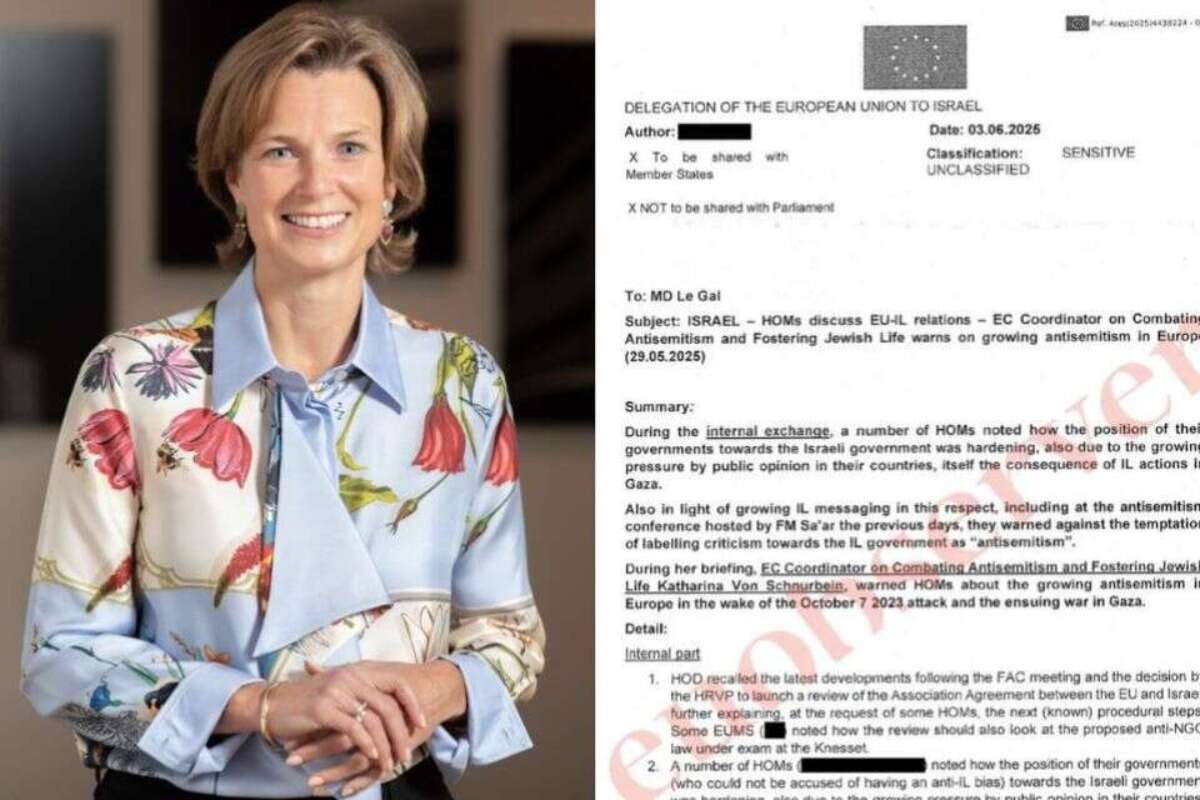
Twenty-six European Parliament members recently submitted formal correspondence to the European Commission requesting the dismissal of Katharina von Schnurbein, who has served nearly ten years in her role and maintains strong support from Jewish organizations throughout the continent. The correspondence, obtained by Israel Hayom, specifically criticizes her professional performance, particularly focusing on statements from a leaked protocol of a meeting conducted in late May with von Schnurbein's participation.
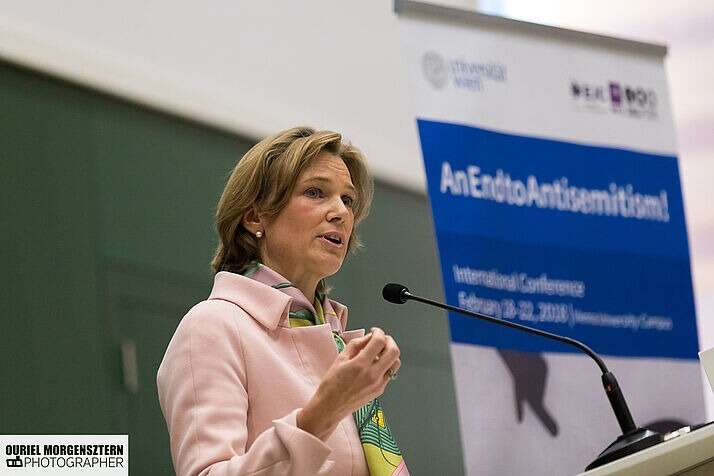
Von Schnurbein, whose full title is European Commission coordinator on combating antisemitism and fostering Jewish life, spoke with Israel Hayom in June, during which she noted that threats to Jewish safety signal a broader threat to European democracy. She also warned against attempts to rid Europe of Holocaust responsibility.

During the late May session, von Schnurbein addressed ambassadors and diplomatic representatives, presenting her professional assessment of the relationship between antisemitism and efforts to delegitimize Israel. The protocol leak generated significant controversy among parliament members from moderate and radical left political groups, including the Greens, Socialists, and Liberal factions. Letter signatories include: Rima Hassan, from the Left group in the parliament, who has characterized Hamas as a legitimate organization; Tineke Strik from the Greens; Barry Andrews and Abir Al Sahlani from President Emmanuel Macron's "Renew Europe" faction; and Cesar Luena from Socialist left factions, among others.
The parliamentary correspondence argues that the antisemitism coordinator merits dismissal because her Israel advocacy undermines her antisemitism prevention efforts. Their primary allegation: von Schnurbein exceeded her institutional authority by attempting to persuade EU member state representatives against imposing sanctions that would affect Israel's standing in the Association Agreement with the organization.
Informed sources explain that von Schnurbein clarified to ambassadors and EU officials that while not every criticism of Israel constitutes antisemitism, antagonistic policies toward Israel generate antisemitic sentiment across the continent. She emphasized the impact of Gaza warfare and anti-Israel atmospherics on European Jewish populations. During the May session, she observed that EU employee charity events supporting Gaza create "environmental antisemitism," noted Hamas involvement in European protests following October 7, and stressed caution regarding actions that might generate "rumors about Jews" and disseminate inflammatory information.
Brussels sources indicate that parliamentary members seek von Schnurbein's removal to eliminate connections between anti-Israel measures and antisemitism accusations, seeking a replacement who won't establish such linkages. This approach would enable Israel-hostile parliament members to avoid antisemitism allegations.
Parliamentary members insisted on maintaining correspondence confidentiality due to its "sensitivity," despite widespread European Jewish community experiences of direct connections between Gaza conflict and dramatic antisemitism increases. Senior Jewish organization officials in Brussels express concern that any future replacement might ignore, for political considerations, antisemitism increases stemming from Israel hostility - proving unable to address the expanding phenomenon.
Correspondence authors demanded European Commission "immediate" action for von Schnurbein's dismissal, alleging she "damaged antisemitism prevention efforts and harmed the position's credibility."
Concurrently, 29 Jewish and Israeli organizations throughout Europe, predominantly from left and extreme left political orientations, transmitted correspondence to Commission President Ursula von der Leyen demanding von Schnurbein's replacement. Last week's published correspondence from these organizations - most relatively small - declared opposition to "Israel's far-right government" while affirming commitment to "human rights, democratic principles, racism prevention and international law respect."
They argued that antisemitism prevention doesn't mean "protecting Israel from pressure or criticism" or "automatically advancing Israeli government positions." In website commentary, they accused von Schnurbein of antisemitism and pro-Israel prejudice, stating: "The subsequent coordinator must differentiate between European Jews and the State of Israel... and clarify antisemitism versus legitimate Israel criticism distinctions. The current coordinator cannot establish this boundary... Her explicit statements denying Palestinian starvation in Gaza reveal her own antisemitism."
The expanding anti-coordinator campaign deeply troubles the overwhelming majority of major European Jewish organization representatives. "This assault on Katharina von Schnurbein by organizations claiming 'Jewish organization' status represents shameful behavior. These organizations primarily consist of self-loathing Jewish groups attacking the commissioner for her European Jewish support stance and antisemitism prevention work. She demonstrates exceptional Jewish people advocacy and attacks against her parallel attacks against Jewish people," stated World Jewish Congress (WJC) Vice President Ariel Muzicant. "These organizations represent minimal population minorities, comprising individuals not elected to represent Europe's 1.5 million Jews and representing merely hundreds of individual opinions."
Rabbi Pinchas Goldschmidt, Conference of European Rabbis president, responded to the 29 Jewish organizations' correspondence calling for Katharina von Schnurbein's dismissal: "Fringe Jewish circle demands for dismissing the European Commission's antisemitism prevention coordinator, Ms. Katharina von Schnurbein – the first serving in this crucial Commission position – stem from increasing anti-Israel sentiment, promoted by European extreme left elements since October 7, blurring the delicate boundary between Israeli policy criticism and antisemitism. These elements' influence also seeps into European decision-makers and negligible Jewish community segments.
"The correspondence, transmitted against European leader reactions to Israel's recent Gaza military activity intensification decision, demonstrates required sensitivity during peak European Jewish hatred incident periods. The Conference of European Rabbis supports Ms. von Schnurbein, who has fulfilled her responsibilities faithfully and dedicatedly since appointment, expressing profound appreciation for her crucial work during European Jewish community's most challenging periods."
Currently, von Schnurbein maintains EU leadership support while removal attempts gain momentum, but haven't achieved success thus far. Europe's major Jewish organizations support von Schnurbein, recognized as a compassionate and dedicated professional working continuously against Europe's antisemitism challenges, which have intensified since October 7.
Or Shaked contributed to this report's preparation.


