

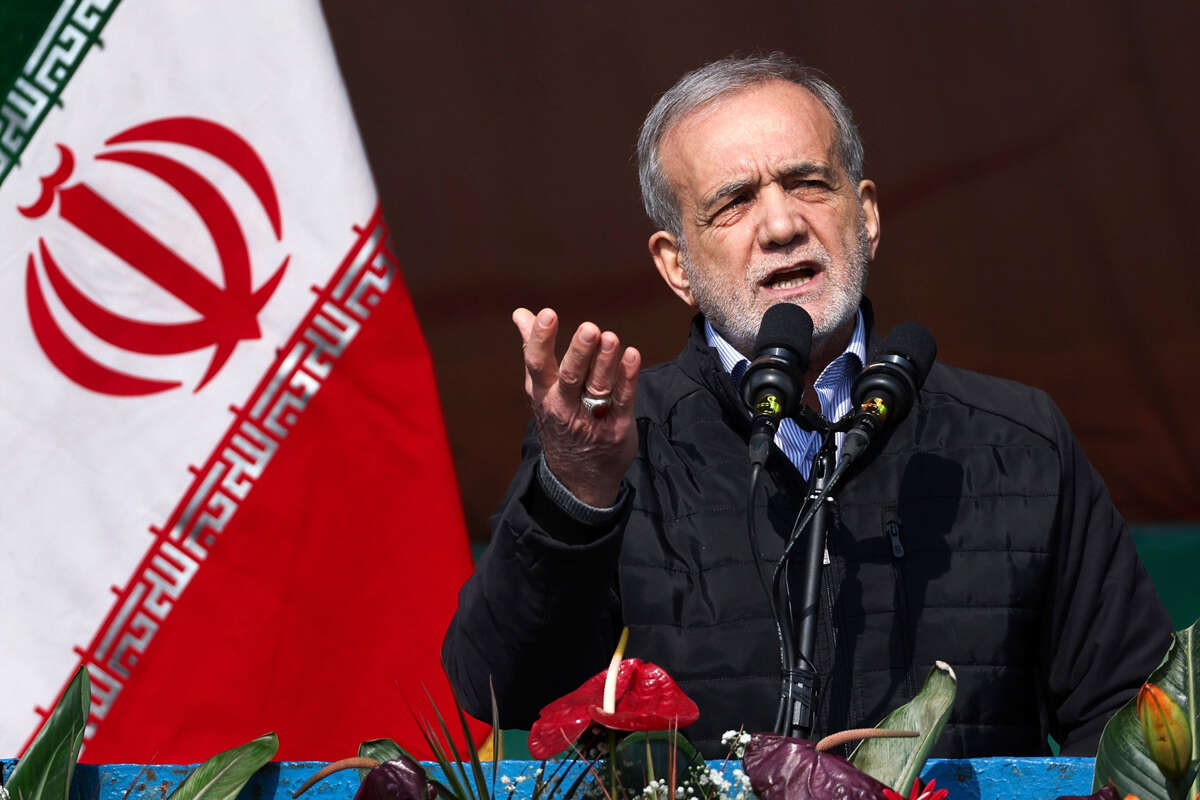
Britain, Germany, and France will hold another round of nuclear talks with Iran tomorrow (Tuesday) in Geneva in an attempt to avoid activating the "snapback" mechanism, according to the Iranian news agency Maher. The round of talks will take place at working levels, with the Iranians represented by the deputy foreign minister, and the talks will revolve around "nuclear issues and sanctions relief," according to the report.
This meeting could be Iran's last chance to block the activation of the snapback mechanism by the E3 countries that announced last week they are prepared to activate it at the end of August, but left Tehran an option to postpone the final deadline if it returns to the negotiating table seriously.
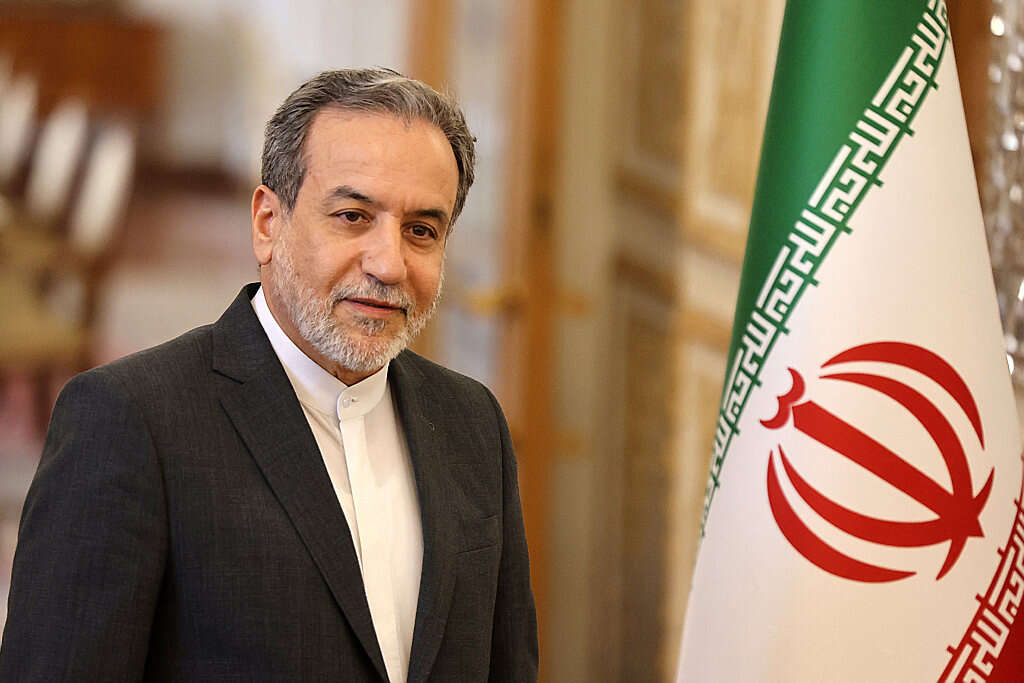
On Friday, a conversation took place between Iranian Foreign Minister Abbas Araghchi and his European counterparts, without a breakthrough, although the Iranian minister did not express opposition to extending the deadline, but added that the matter is subject to the Security Council's decision.
Additionally, Araghchi did not express willingness to allow International Atomic Energy Agency inspectors to conduct regular monitoring at nuclear sites and agreed only to individual visits at sites that Iran would permit. Similarly, the minister did not provide answers regarding the location and quantity of enriched uranium - more than 400 kilograms (882 pounds) - stored at a secret site that, as far as is known, was not damaged in the war with Israel.
Against this backdrop, the British newspaper The Telegraph reported yesterday that Ali Larijani, recently appointed as secretary of the National Security Council in Iran, is pushing Tehran's leadership to agree to reduce uranium enrichment levels from 60% to 20% in an attempt to prevent activation of the snapback mechanism. According to the newspaper, Iranian officials are "prepared to soften their rigid position to avoid another Israeli and American attack."
It is unclear whether this refers to a future Iranian commitment or to diluting the highly enriched uranium stockpile they currently hold – more than 400 kilograms (882 pounds), sufficient after additional enrichment for approximately 10 nuclear fission bombs. This is particularly relevant given that Iran's enrichment facilities were severely damaged in the war with Israel, and apparently, most of the centrifuges were destroyed or at least disabled.
An Iranian official told The Telegraph that Larijani is trying to convince the system to lower the enrichment level to prevent another war, but faces fierce resistance, mainly from the Revolutionary Guards. However, according to him, it appears the regime's leadership is prepared to respond and return to contacts with Western powers.
The report comes against the backdrop of a turbulent internal debate in Iran that is becoming increasingly public. The "Reform Front" faction of Iranian President Masoud Pezeshkian published a joint statement last week with a series of demands for governmental change in the country, including dismantling the uranium enrichment program in exchange for sanctions removal. Above all demands, faction members require separating the Revolutionary Guards from governmental mechanisms and canceling the organization's influence on the Islamic Republic's foreign and domestic relations.
Even earlier, Pezeshkian faced criticism from the conservative wing of the ayatollah regime, following a speech in which he addressed the need to return to negotiations on the nuclear issue. "You want to fight? Well, you fought, but they hit us. If we rebuild the nuclear facilities, they're going to attack them again. What can we do if we don't enter negotiations?" Pezeshkian said then.
Against this backdrop, Supreme Leader Ali Khamenei delivered a harsh speech yesterday in which he sharply attacked the US, although harsher words were said before he was forced to agree to return to the negotiating table before the war. Khamenei claimed that in the past the US concealed its true intentions but "the person who currently holds power in America" revealed the "truth" that the root of the conflict is the American desire for Iran to obey it, and "the Iranian people are angry about this serious insult and will stand against it with all their strength," Khamenei declared while defining the conflict as "unsolvable."

Internal tension intensifies
"All of Israel's and America's effort is to pit us against each other from within," the president said. "Any talk that harms our unity is service to Israel." Pezeshkian also addressed the country's water distress again, stating, "There are people who say we don't have a problem - so bring solutions. We stand beside empty dams, and we have also emptied the water beneath our feet."
"There is no doubt that something is happening behind the scenes. The struggle between the camps is really intensifying," says Danny (Denis) Citrinowicz, former head of the Iran branch in Military Intelligence and senior researcher at the Institute for National Security Studies. He notes that Larijani "strongly supported the previous nuclear move and was one of the factors that helped then-President Hassan Rouhani pass it in the Majlis" when he served as parliament speaker.
Citrinowicz explains that "there is an understanding that the pressure threshold there requires thinking outside the box," but warns that the snapback threat alone is not enough to "extract from them the concessions the West would want" and that "China and Russia will not enforce this, especially since they have expressed opposition to the legality of the move."
"The big story really is China's oil imports from Iran," emphasizes Citrinowicz. "With all due respect to UN sanctions, the impact is more psychological, a sense of siege, distancing from the West, and the exchange rate could also be affected. It's less the economic damage and more the feeling." However, he estimates that "while they try to avoid this, they don't go out of their way to prevent it, and it's unlikely this will shake the regime."
Solution to the Russian and Chinese veto problem
What exactly is the snapback mechanism? This is a diplomatic mechanism that was inserted into the previous 2015 nuclear agreement and allows the signatory countries – the permanent members of the UN Security Council and Germany (known as P5+1) to restore the sanctions imposed on Iran in the Security Council before signing the agreement.
The mechanism bypasses the veto problem by reversing the vote, instead of voting on imposing new sanctions (which Russia or China could block), they vote on continuing the suspension of existing sanctions, so that any of the permanent members can effectively force the re-imposition of sanctions.
Activating the snapback mechanism will restore the sanctions imposed by the Security Council on Iran in 2006-2010, including a complete arms embargo, absolute prohibition on uranium enrichment, prohibition on ballistic missile testing, prohibition on missile technology transfer, restrictions on the Iranian national fleet and mandatory supervision of suspected cargo worldwide.
The process begins when one of the agreement countries sends a letter to the UN Secretary-General and the Security Council president about Iranian violations. The Security Council has ten days to vote on continuing the suspension of sanctions, and a maximum of 30 days to complete the process. If no agreement is reached within 30 days, the sanctions return automatically.
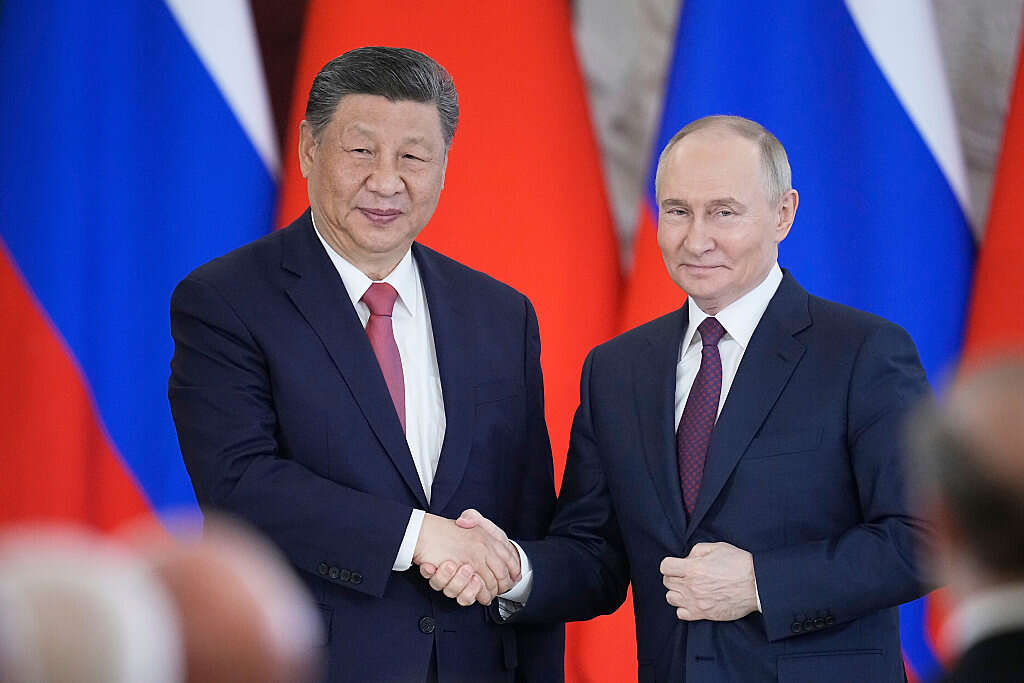
However, Russia and China have already expressed doubts regarding the legality of activating the snapback mechanism under current conditions, after the US withdrew unilaterally from the agreement in 2018. The two powers argue that the American withdrawal undermines the legitimacy of activating the mechanism, raising doubts about its effectiveness as a pressure tool on Tehran.
The foreign ministers of France, Germany and Britain announced last week that they are prepared to activate the snapback mechanism at the end of August, but left Iran an option to postpone the final deadline if it returns to the negotiating table seriously. "We made clear that if Iran is not prepared to reach a diplomatic solution before the end of August, or does not take advantage of the opportunity for extension, we will be ready to activate the snapback mechanism," was written in a letter sent to the UN Secretary-General. The option to activate the mechanism will expire in October 2025 – ten years after signing the original agreement.


