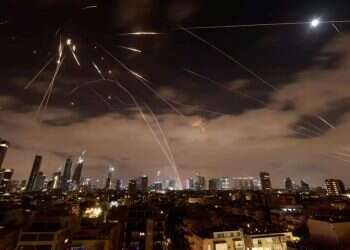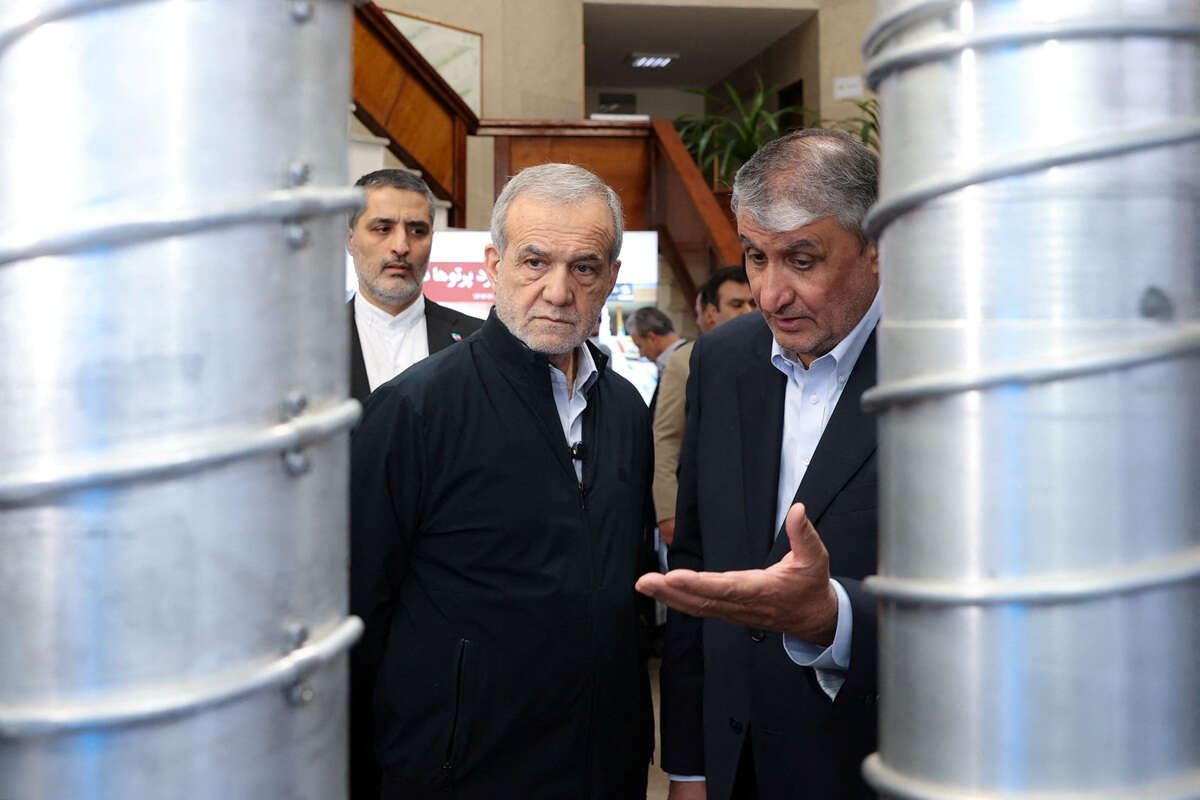
Nearly two months have passed since the war erupted between Iran and Israel. Nuclear deal negotiations remain stalled after Iranian insistence led to deadlock and ultimately to the current military confrontation. This week, the European powers (E3 countries) intensified pressure, threatening to reimpose international sanctions against Iran. A senior Iranian official called this move an "existential threat," and given the current situation, the possibility of renewed military confrontation in the near future cannot be ruled out.
Yesterday, the foreign ministers of France, Germany, and Britain announced that they are prepared to activate the "snapback mechanism" by the end of the month – but left Iran the option to delay the deadline if it seriously returns to the negotiating table. "We made clear that if Iran is not prepared to reach a diplomatic solution by the end of August, or doesn't utilize the opportunity for extension, we will be prepared to activate the snapback mechanism," they wrote in a letter sent to the UN Secretary-General.
The ministers added that they had offered Iran a limited extension, enabling "direct negotiations between the US and Iran," but the offer has remained unanswered by Iran thus far.
What is this "snapback" mechanism? It's a mechanism inserted into the 2015 nuclear deal, allowing members to reimpose Security Council sanctions placed on Iran between 2006 and 2010. The mechanism operates through the Security Council, but permanent committee members cannot block it with a veto – essentially leaving Iran exposed, without the possibility of diplomatic cover from China or Russia. Since the US withdrew from the agreement, only France, Germany, or Britain can activate it. But the timeline is short: the ability to do so expires in October.
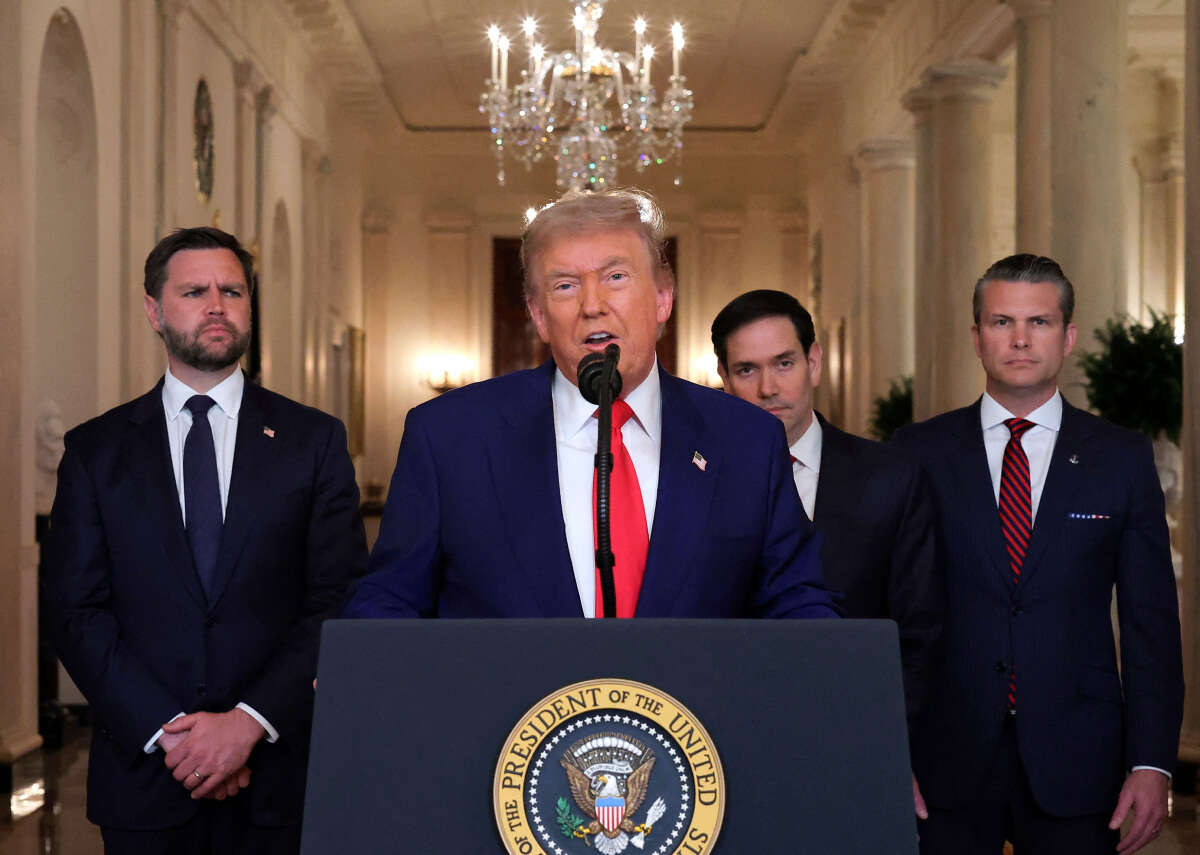
If the snapback mechanism is activated, all Security Council sanctions imposed on Iran from 2006 to 2010 would be reinstated. These include a complete arms embargo, total prohibition on uranium enrichment, a ban on ballistic missile tests capable of carrying nuclear warheads, and a prohibition on transferring technology and technical assistance in the missile field. Additionally, asset freezes and international flight bans would be imposed on Iranian officials and entities. Countries would also be authorized to search Iran's cargo planes and national shipping company vessels to detect prohibited goods.
"Existential threat" – that's what a senior Iranian official called the possibility of activating the snapback mechanism by the powers. "The Islamic Republic has no economic or military capacity to withstand the return of UN sanctions. This will cause the people to demonstrate again, and this time it might be different," he told the Telegraph from Tehran. "Sanctions are more harmful than war," added another senior Iranian official. "The Supreme National Security Council asked the presidency to find a path to talks before it's too late."
Indeed, the Islamic Republic faces a series of complex crises – the most prominent of these days apparently being the water crisis. Iranian President addressed last night (Wednesday) in a cabinet meeting, Prime Minister Benjamin Netanyahu's jab about the possibility Israel would help the Iranian people after the regime's fall. "This is an illusion, those who falsely claim to care for the Iranian people, first let them look at Gaza's difficult situation and its defenseless people," said Masoud Pezeshkian at the government meeting, "claims of humanitarianism from such dirty people are nothing more than a mockery of the people."
Iranian Parliament Speaker Mohammad Bagher Ghalibaf found another culprit for his country's acute problem: Israel. "The 21st century Nazis attacked with fighter jets the main water artery of northern Tehran to drag Tehran into water shortage," he wrote on Twitter. "In the occupied territories and Gaza, those same criminals have been the world's number one water thieves for years."
Netanyahu, as recalled, addressed Iranians in a Persian video message, promising Israel would help solve the severe water shortage in the country once Iran is "free" from the current government.
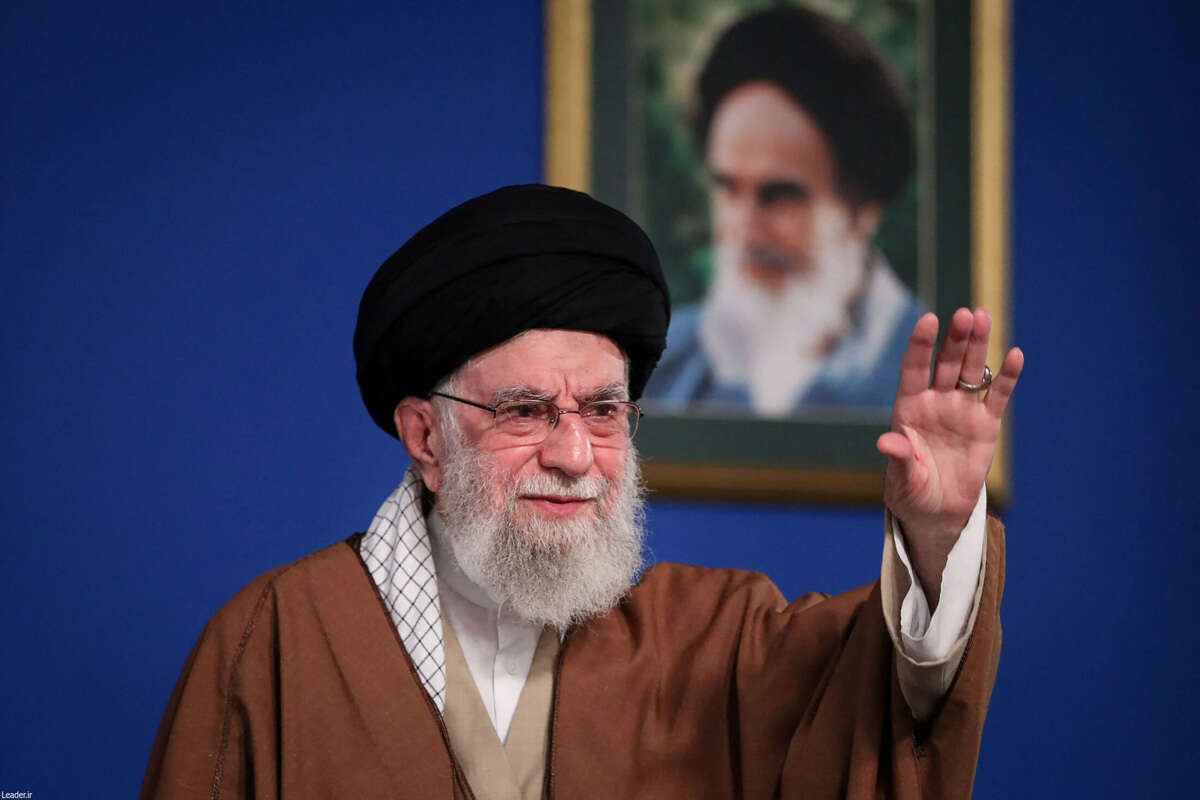
Pezeshkian himself gave public expression to Iranian helplessness on both these issues: water and nuclear talks. In a speech he delivered earlier this week, the president admitted. "You want to fight? Well, you fought, but they hit us. If we rebuild the nuclear facilities, they're going to attack them again. What can we do if we don't enter negotiations?"
Regarding the water crisis, he said, "We have no water, we have no water under our feet, and we have no water behind our dams, so tell me what will we do?"
The editor of the conservative Kayhan newspaper, appointed by Supreme Leader Ali Khamenei, attacked the president's position and added that he hopes Pezeshkian's words were just a "slip of the tongue." "Some of our officials have fallen into the fake trap of 'either negotiations or war,'" he wrote, "even though America and Israel were defeated and now they're begging for negotiations."
The Tasnim news agency, affiliated with the Revolutionary Guards, also attacked the president, claiming, "When the enemy hears these things, what decision does he make and what image is created for him about Iran? Clearly, only an image of Iranian weakness." The agency claimed, "to present such a weak and desperate picture of ourselves that we have no way except talks – will this cause the enemy to negotiate with us and additionally give concessions?"
Pezeshkian responded to the criticism on X network and defended his approach: "Speaking openly about problems means respect for the people's consciousness, who are the true owners of the country. Solving problems begins with recognition, not hiding. We came to build, not hide things; we speak with the people honestly, not with alarm sirens."
Danny (Dennis) Sitrinovich, former head of the Iran branch in the IDF Intelligence Research Division and a researcher at the Institute for National Security Studies, assesses that Iran is in strategic distress, which could also lead to renewed confrontation. "They're really in strategic distress – it's a combination of many things: the war, the continuing confrontation with Israel, and, on the other hand, also other issues like the water crisis and American involvement in the agreement between Armenia and Azerbaijan. It's a sequence of complex blows for which they really have no solution."
Regarding the likelihood of another confrontation, Sitrinovich assesses: "There's a high probability they'll attack if they assess Israel is about to attack them, but not to 'punish for the previous round.' The understanding there is they cannot repeat the events of the beginning of the previous war, it's simply too great a danger to the regime."
Regarding their current steps, Sitrinovich assesses that they'll work to rehabilitate the proxies, despite what appears to be a "death blow" in Lebanon and Iraq, and despite these proving ineffective in deterring Israel. These aspects in his assessment are part of the general confusion within the Iranian system, as it gropes its way in the darkness of the dire strategic situation it has found itself in following the policy led by the Revolutionary Guards in recent years.
Larijani's appointment is a sign, in his assessment, of an attempt to turn to moderates but simultaneously "not tear the rope" on any front. Regarding force building, the main goal will be to restore the air defense and missile capabilities severely damaged in the war. Before doing this, Sitrinovich assesses that they "won't make strategic decisions on the nuclear issue."
According to Sitrinovich's view, this situation allows for pressing Iran to make a series of concessions on nuclear issues, thereby completing the move begun during the war and preventing another confrontation through a sort of mutual "non-aggression" agreement.
"Entering a war of attrition is very dangerous; we must remember the Iranians also learned their lessons, not just us. The question arises – if we have already significantly damaged their nuclear program, what are we trying to achieve now? We see that we too are paying not simple prices from these confrontation rounds."
Despite this, he admits that the calculation matrix isn't simple, and an agreement Iran achieves could reduce pressure on the regime, which is now at a low point. "There's no doubt the likelihood of returning to war is significant. The starting point of such a war would be the end of the previous war – meaning, we're talking about a war that would immediately begin with very great intensity."