

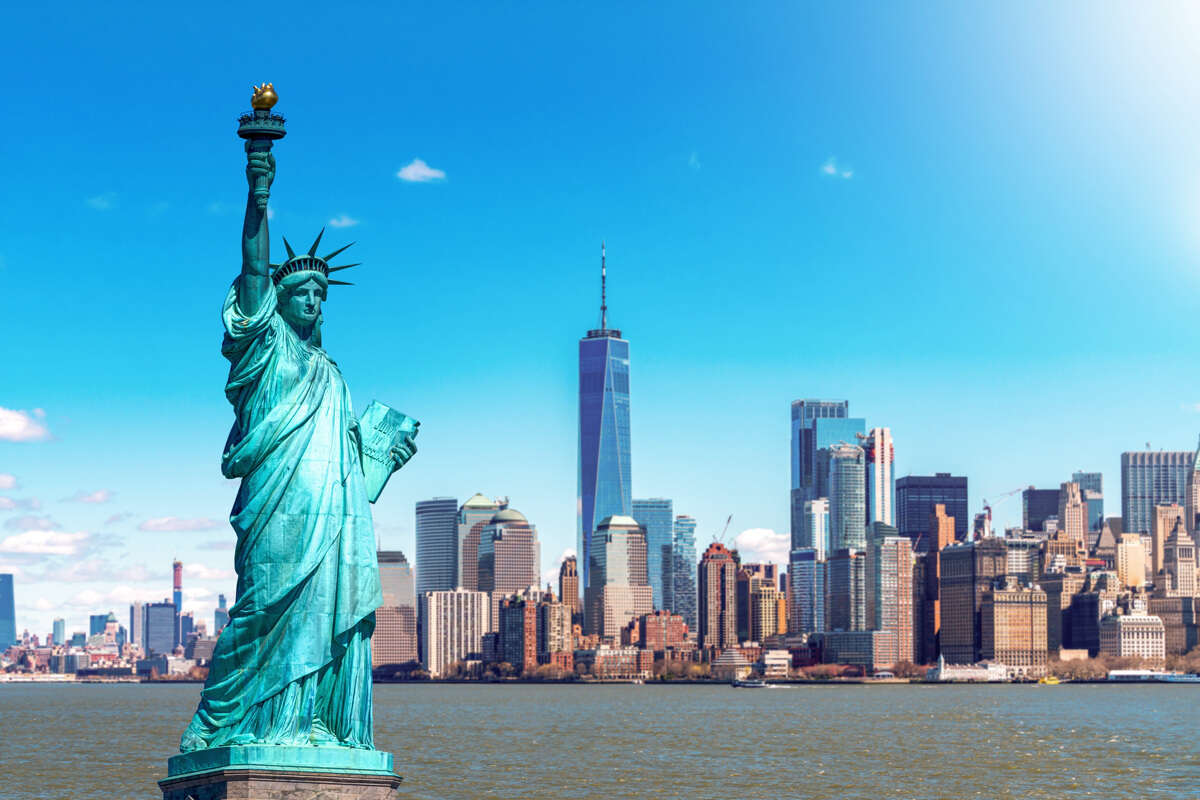
In 2025, the United States tourism industry faced one of the most severe crises in its history – a dramatic decline in visitor volumes from around the world. According to data from the US Department of Commerce, key nations, including Canada, Germany, Brazil, India, China, and the United Kingdom, recorded unprecedented drops in arrivals to the US.
Visa complications created substantial barriers, including delays, new fees, and increased requirements, which established significant obstacles for tourists from numerous countries.
An unwelcoming image emerged as harsh messaging on immigration matters and treatment of foreign nations strengthened perceptions that the US had become less tourist-friendly. A single bureaucratic error or missing detail in entry documents to the United States can result in finding yourself shackled and transported to a federal detention facility.
Diplomatic tensions contributed to an atmosphere of alienation and distrust through conflicts with China, Canada, Europe, and Middle Eastern nations. The internet overflows with statements from Canadian, German, British, and other tourists who canceled US vacations because they "don't feel safe" or due to a "hostile environment."
The statistics
A 34% decline in tourism from Canada, equivalent to lost revenue of approximately $29 billion.
A 28% decrease in tourists from Germany and 25% drop from France and Spain.
A 20% decline in tourism from China and 15% decrease from Japan and South Korea.
Emerging markets, such as India and Brazil, also exhibit retreat trends.
While European and Asian countries like Spain, Thailand, and France enjoy growth in demand, the United States loses its historical advantage as the world's premier tourism destination.
Unmistakable message
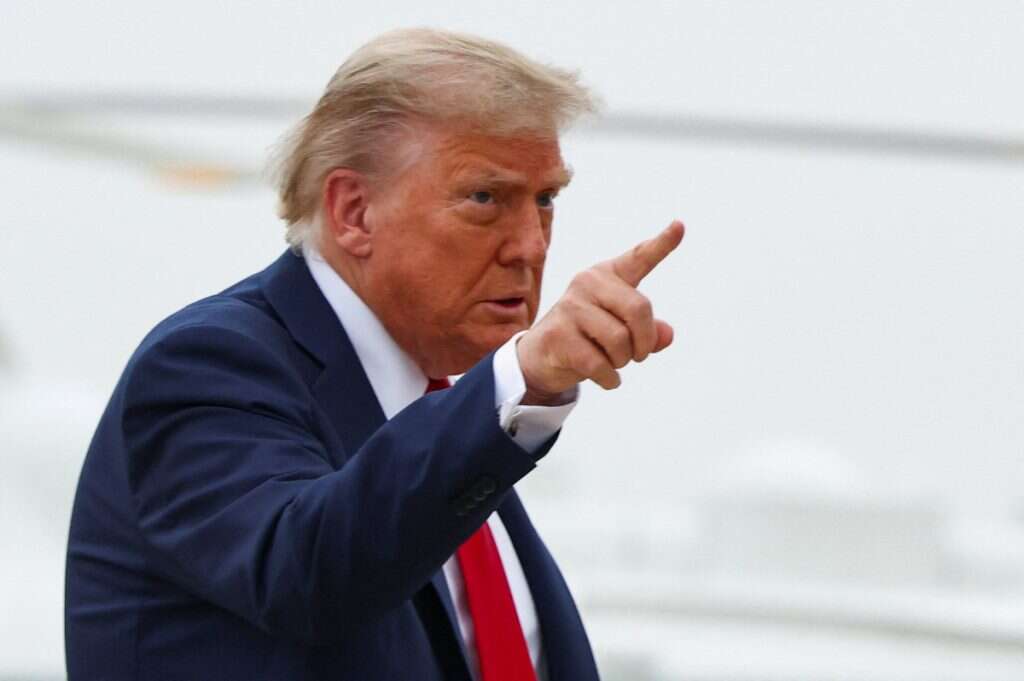
Economists and tourism industry professionals warn that without policy modifications, visa restrictions, increased fees, and deterrent rhetoric, the United States could lose its international market share for years to come. President Donald Trump's policies may have been designed to appear tough and security-focused, but in practice, they damage America's own economy and its reputation as a dream destination for tourists worldwide.


