

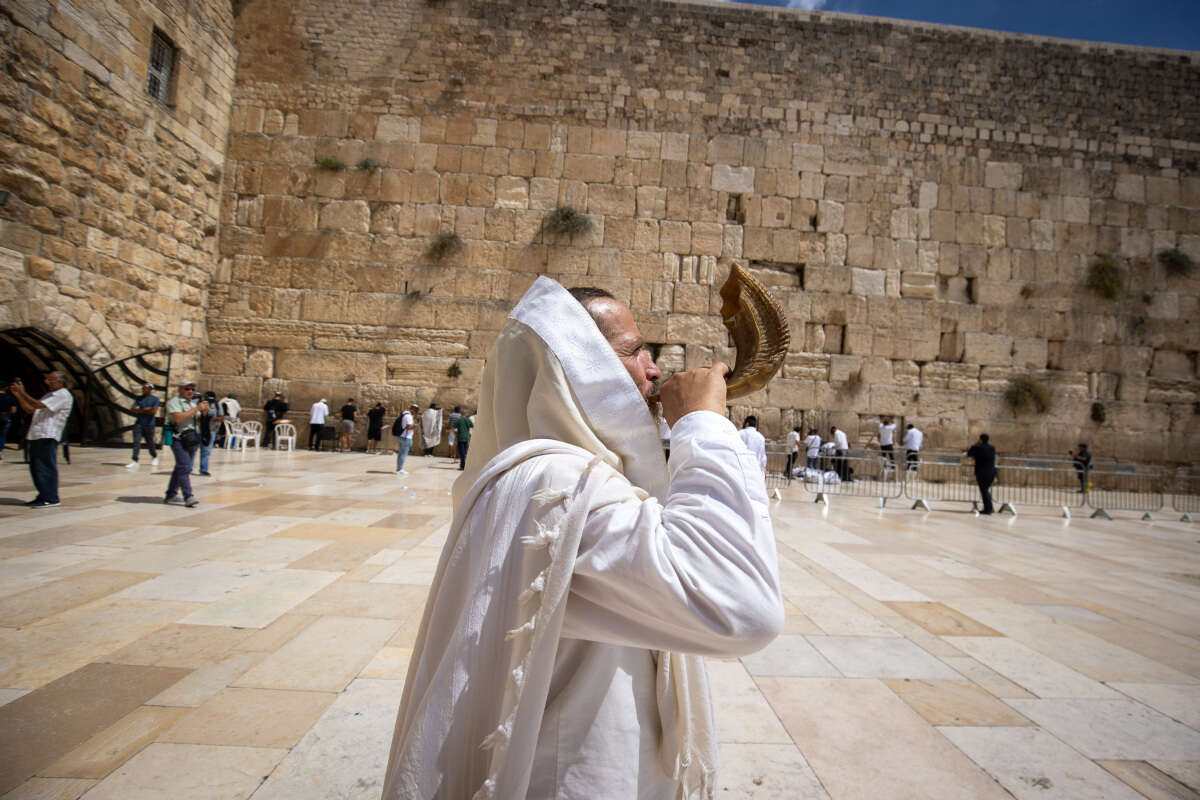
Rosh Hashanah 5786 (2025) will fall this year on Monday evening, September 22 – the 1st of Tishrei, and will end on Wednesday evening, September 24 – the end of the 2nd of Tishrei.
Day's customs:
- Reciting Selichot.
- Annulment of vows at the end of morning prayers, any three people can annul, and ten is preferable.
- Haircut and shaving in preparation for the Day of Judgment.
- Some have the custom to immerse in preparation for the Day of Judgment. One can shower with a stream for 3-4 minutes, instead of the Rosh Hashanah eve immersion (but this cannot replace niddah immersion).
- Giving charity – "Charity saves from death."
- Visiting ancestral graves and the graves of righteous people.
First night of Rosh Hashanah
"One should not wear embroidered and silk garments on Rosh Hashanah like other holidays, so that the fear of judgment will be upon him" (Taz). Therefore, it is customary to dress in simple and nice clothes, but not fancy ones.
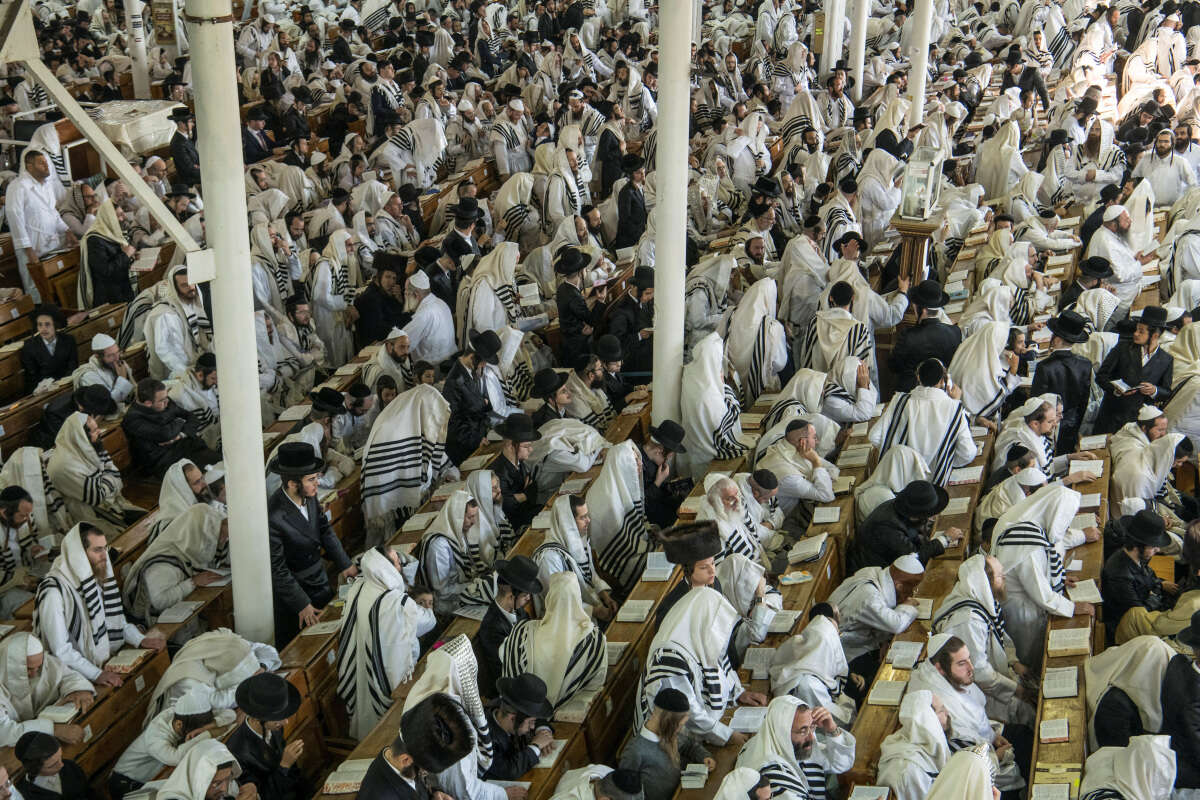
What blessing is said when lighting candles on Rosh Hashanah?
When lighting candles, one blesses "to light the candle of the holiday." Ashkenazi women typically bless "Shehecheyanu" before lighting, whereas most Sephardic women do not. One should prepare a fire that will burn throughout the holiday, so we can transfer from it and use fire during the two days of Rosh Hashanah, as on holidays, cooking is permitted by transferring from a burning flame.
In the evening prayer service, we begin adding the four additions of the Ten Days of Repentance: "Remember us for life," "Who is like You, Father of mercy," "And inscribe for good life," "In the book of life." We change the blessing "The holy God" to the blessing "The holy King." On weekdays, we change the blessing of justice to "The King of justice."
If one forgot "The holy King" and didn't remember immediately (or even remembered immediately but started the next blessing), one returns to the beginning of the Amidah prayer. If one forgot "The King of justice," one doesn't return. If one forgot the other additions, one doesn't return. In Kaddish, some say "above and beyond all" instead of "above all," and "who makes peace" instead of "who makes peace." There are other customs for Kaddish additions, each community according to its custom. After the prayer, one blesses another, "May you be inscribed and sealed for a good year."
One may not use loudspeakers of various types to amplify the sound of the shofar or for prayers in the synagogue. It is forbidden to broadcast prayers and watch them through Zoom application and the like during the holiday. It is forbidden to say "confession" on Rosh Hashanah, and it is forbidden to bring oneself to tears, but it is permitted to contemplate repentance. The main intention of prayer on Rosh Hashanah is not about our personal lives, but about God's kingdom, the nation's future, and humanity's future. Thus the prayers are written, and thus the various liturgical poems were written. From a national and universal perspective, we examine our individual role in the fabric of life and our service to God. It is permitted to open the large permanent umbrella in the courtyard on the holiday to shade the many worshippers. (One who is strict to open a handbreadth before Sabbath, may he be blessed).
Shofar blowing
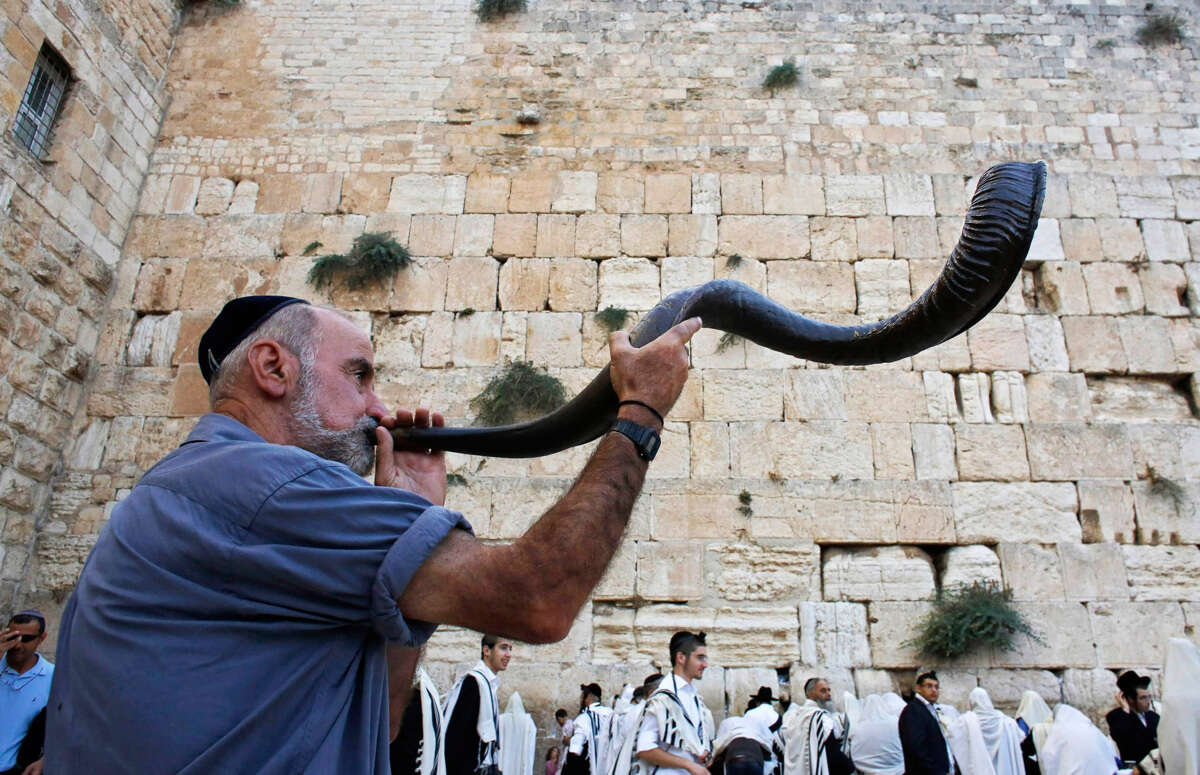
After the Torah reading, "Lamnatzeach" is said seven times, and 30 blasts are blown while standing, and Sephardim sit for them. These are "seated blasts" called thus because if one sat during these blasts, one has fulfilled the obligation. The reason for the seated blasts is to confuse Satan so he won't disturb our concentration in prayer and won't disturb the illumination of the standing blasts that follow.
In the additional prayer service, 30 blasts are blown during the repetition of the Amidah: 10 for kingship, 10 for remembrances and 10 for shofar verses. These blasts are called "standing blasts." Sephardim and some Ashkenazim also blow during the silent prayer in this manner.
Blasts are blown after "Kaddish Titkabel," and some blow additional blasts before "Aleinu Leshabeach," and a blast after it. In total, 100-101 blasts. There are other customs for when and how many shofar blasts are in the prayer order. Each community continues according to its custom, of course.
Next to the blower stands a "supporter," whose role is to call out the order of blasts to the blower and also to verify that his blasts are correct. The supporter must learn in advance the laws of shofar blowing and its errors, just as the blower does. The laws of shofar blowing require skill, knowledge, and intention. The shofar blower must prepare himself properly from the eve of the holiday so that he can blow the shofar in a kosher and correct manner.
During the blasts, one should not speak, but rather listen to the sound, contemplate the Creator's kingship, and repentance for our sins. The shofar calls to war, man's war against the evil within him, war to the point of self-sacrifice, like the binding of Isaac. The shofar proclaims God's kingship and the direction of good in reality.
One must supervise small children and be mindful of maintaining quiet during prayer, especially during the blasts.
One who heard the shofar sound and intended to fulfill the obligation, and the blower intended to fulfill others' obligation, has fulfilled the obligation even if one didn't stand inside the synagogue.
Women are not obligated to hear the shofar sound, but many have the custom to hear it. A sick person, and one in pressing circumstances without ability to hear all the blasts properly, should hear the thirty main blasts, and that suffices.
"It is customary not to sleep on Rosh Hashanah day until after midday, and one who is idle is considered sleeping" (Rama and Baer Heitev).
After the afternoon prayer, "Tashlich" is said beside a body of water or spring. Some Ashkenazim have the custom not to say it.
Second day of Rosh Hashanah, 2nd of Tishrei
One begins preparing the second holiday about fourteen minutes from sunset. As mentioned, it is permitted to cook on the holiday by transferring from a burning flame. Candle lighting occurs at the emergence of stars or after the evening prayer (transferring from an existing fire), during the evening prayer of the second holiday. At home, one makes kiddush and eats (some eat the symbolic foods again, just as they did on the first day).
In candle lighting and kiddush, it is good to have a new vessel or new fruit, to intend also for it in the "Shehecheyanu" blessing of the second day. Morning prayers, Torah reading, and additional service of the second day of Rosh Hashanah. Afternoon prayer of the holiday. How good to complete the book of Psalms during the holiday days. Evening prayer at the conclusion of the holiday, havdalah only over the cup.
Fast of Gedaliah: September 25
If one stipulated that he would rise to eat before dawn, he is permitted to rise and eat. Regarding drinking, an Ashkenazi doesn't need to stipulate; a Sephardi must stipulate.
A healthy person must fast. A sick person, pregnant woman, woman who gave birth, or nursing mother are exempt from the fast.
"Every person should search and examine their deeds and repent from them during the Ten Days of Repentance. A doubtful sin requires more repentance than a definite sin, because one regrets more when knowing one sinned than when not knowing one sinned. Therefore, the guilt offering required being more expensive than the sin offering" (Rama and Rabbeinu Yonah).
Courtesy of Rabbi Baruch Efrati, community rabbi in Efrat, halachic decisor, and head of the Derech Emunah organization.


