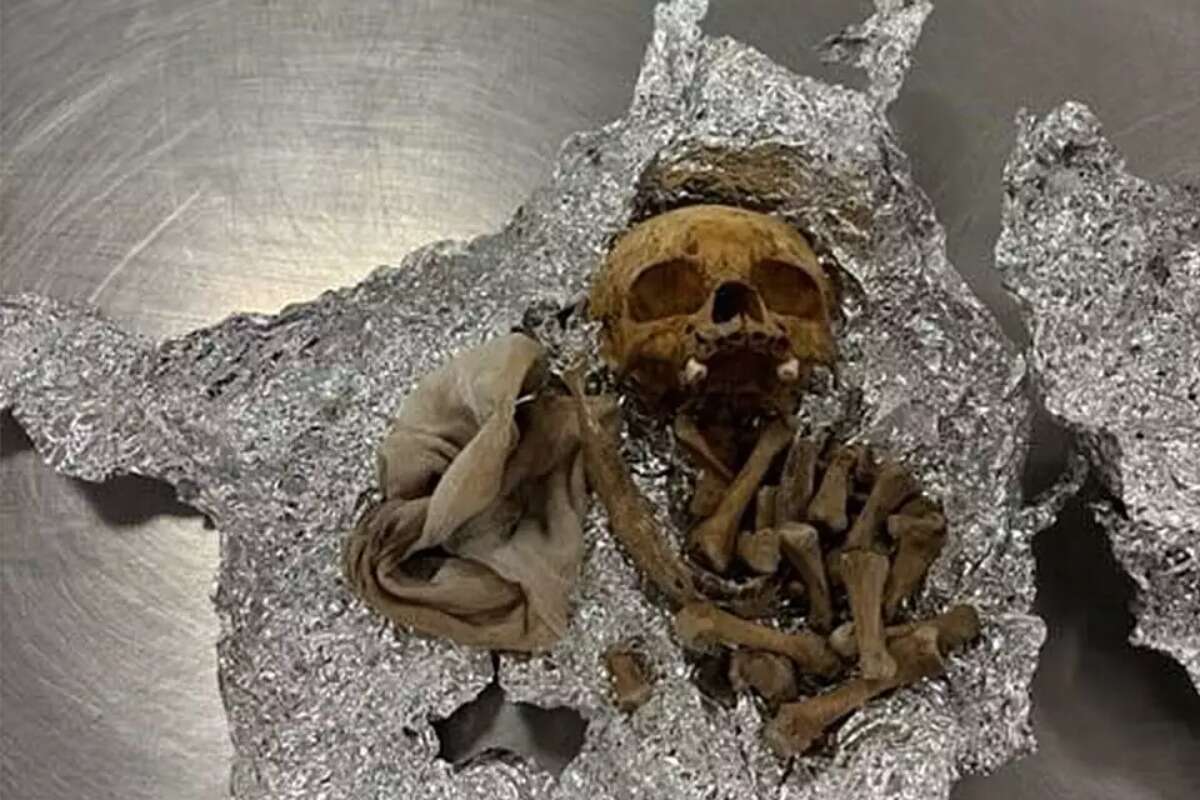
A skull fragment and other bones, discovered last week in the traveler's luggage at Tampa International Airport in Florida, were confiscated by US Customs and Border Protection officers due to health concerns. Authorities have opened an investigation to determine the origin of the remains. It is not yet clear whether the passenger will face charges. Officials did not disclose his identity, nationality, or travel destination.
The discovery was made during a routine inspection after the passenger declared the import of 10 cigars. A suspicious odor prompted a more thorough search, which uncovered a foil-wrapped travel bag containing what appeared to be human remains, along with banned plants and undeclared tobacco products. A skull fragment was also wrapped in foil. The passenger told officials the items were used for ceremonies or religious worship. All the materials were confiscated and destroyed.
🚬 FROM CIGARS TO BONES?! 💀
What started as a passenger declaring just 10 cigars at @FlyTPA turned bizarre. CBP Agriculture Specialists uncovered prohibited plants, undeclared cigars, and a foil-wrapped duffel bag containing what looked like human remains, including part of a… pic.twitter.com/yxFKtU5EQP— Director of Field Operations Carlos C. Martel (@DFOFlorida) September 18, 2025
"What started as a passenger declaring just 10 cigars turned bizarre," wrote Carlos C. Martel, the agency's director of field operations in Miami and Tampa, in a post on X, formerly Twitter. "At CBP, we never know what baggage may hold, but smugglers should know we'll always have a bone to pick."
According to US health authorities, transporting human remains into the country requires a death certificate, export and import permits, and additional documentation depending on the cause of death and condition of the remains. Customs and Border Protection reminded travelers that strict airport inspections are designed to prevent the entry of prohibited materials that could pose a risk to public health. Martel noted that transporting human remains without proper permits violates sanitation and customs regulations.