

This is one of the most closely guarded secrets. Few are aware of the full details, and for reasons of national security, it will be revealed here in general terms only. Anyone who is familiar with the complete picture is not meant to sleep soundly at night – unless they are extremely irresponsible.
The IDF is currently facing a supply problem. Its stock situation raises questions about its ability to carry out its short-term missions and its capacity to meet its designated long-term contingencies. This is not limited to one or two military systems, but many. Some are lacking weapons, some lack spare parts, and some are missing both.
The Ministry of Defense and the IDF are working around the clock to try and fill the shortages, but so far with very limited success. As a result, units currently engaged in combat, or those that will be required to fight in the future, will not be fully equipped – which will directly impact the outcome and could also affect the number of casualties.
This situation is the result of three factors. The first is the intensive war that has been ongoing for two years, during which the IDF has used an exceptional amount of weapons, ammunition, and spare parts – far exceeding the original plan. The second is the embargo that various countries have imposed on the sale of weapons and spare parts to Israel. And the third is the relatively long time required to establish alternative production lines in Israel's defense industries.
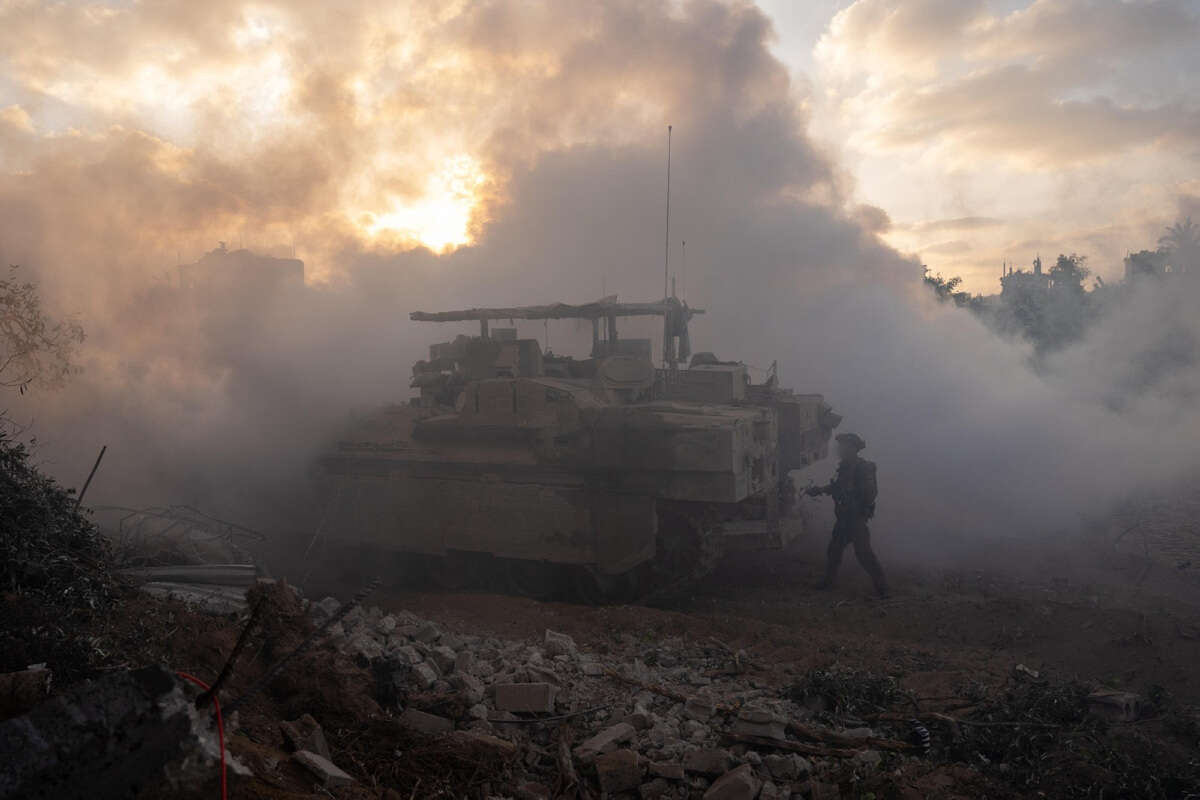
For example: Germany is Israel's second-largest weapons supplier (after the US), and the main supplier of engines for Merkava tanks, as well as tank and artillery shells. In January 2024, it even agreed to sell Israel 10,000 tank shells and additional equipment. However, the prolonged war and the number of casualties in Gaza in recent weeks led Germany to announce that it would halt arms sales to Israel.

A similar situation exists with other countries. The bottom line: A growing difficulty in supplying the needs of the war, causing all warning lights to flash intensly. This difficulty led to two secondary issues in recent weeks. The first is the decision to create a "Munitions Directorate" in the Ministry of Defense, led by Ministry Director General Amir Baram. The second was the "super-Sparta" speech by Prime Minister Benjamin Netanyahu.
In the press briefing he held the day after his speech, he attempted to clarify that he was referring to the need to break free from security dependence, but his comments were drowned out by the uproar of stock market declines and the focus on the issue of an autarkic economy. Few, if any, addressed the motives behind the unusual statement itself, which are rooted in the IDF's severe distress.
The government is responsible for the IDF's operational readiness through the Diplomatic-Security Cabinet. The Knesset Foreign Affairs and Defense Committee is supposed to provide oversight, through its subcommittee. The Diplomatic-Security Cabinet, as far as is known, has been kept in the dark regarding the full details, at the direction of Netanyahu. The subcommittee is familiar with the details but is doing nothing. It has not even summoned Netanyahu or Minister of Defense Israel Katz for an urgent discussion to receive answers.
Netanyahu previously claimed, when his responsibility was questioned on various issues, that no one had alerted him. He will not be able to make that claim now. The full details have been laid in front of him for some time. The decisions he made to continue and intensify the war in Gaza were taken despite ignoring the situation. On the eve of the holiday, he signaled at a meeting with the IDF General Staff Forum that new-old fronts are likely to soon join the conflict. "We need to destroy the Iranian axis," he told the generals. "This is what lies ahead of us in the coming year, which could be a historic year for Israel's security."
These words contain two messages. The first – that another year of war awaits them, which surprisingly also coincides with an election year (amid all the growing questions about whether the elections will be held on schedule). The second – that despite Netanyahu's statements that Iran and Hezbollah have been defeated, it turns out that victory over them is not behind us, but before us. We now have to ask ourselves how Netanyahu plans to prosecute the wars – and win them – knowing full well what the situation is in terms of the IDF munition levels.
From the IDF Spokesperson's Unit, the following response was given to Israel Hayom: "The readiness of the vehicles and weapons in the maneuver is good and enables the carrying out of the mission in Gaza. The stockpile of spare parts does not constitute a constraint."


