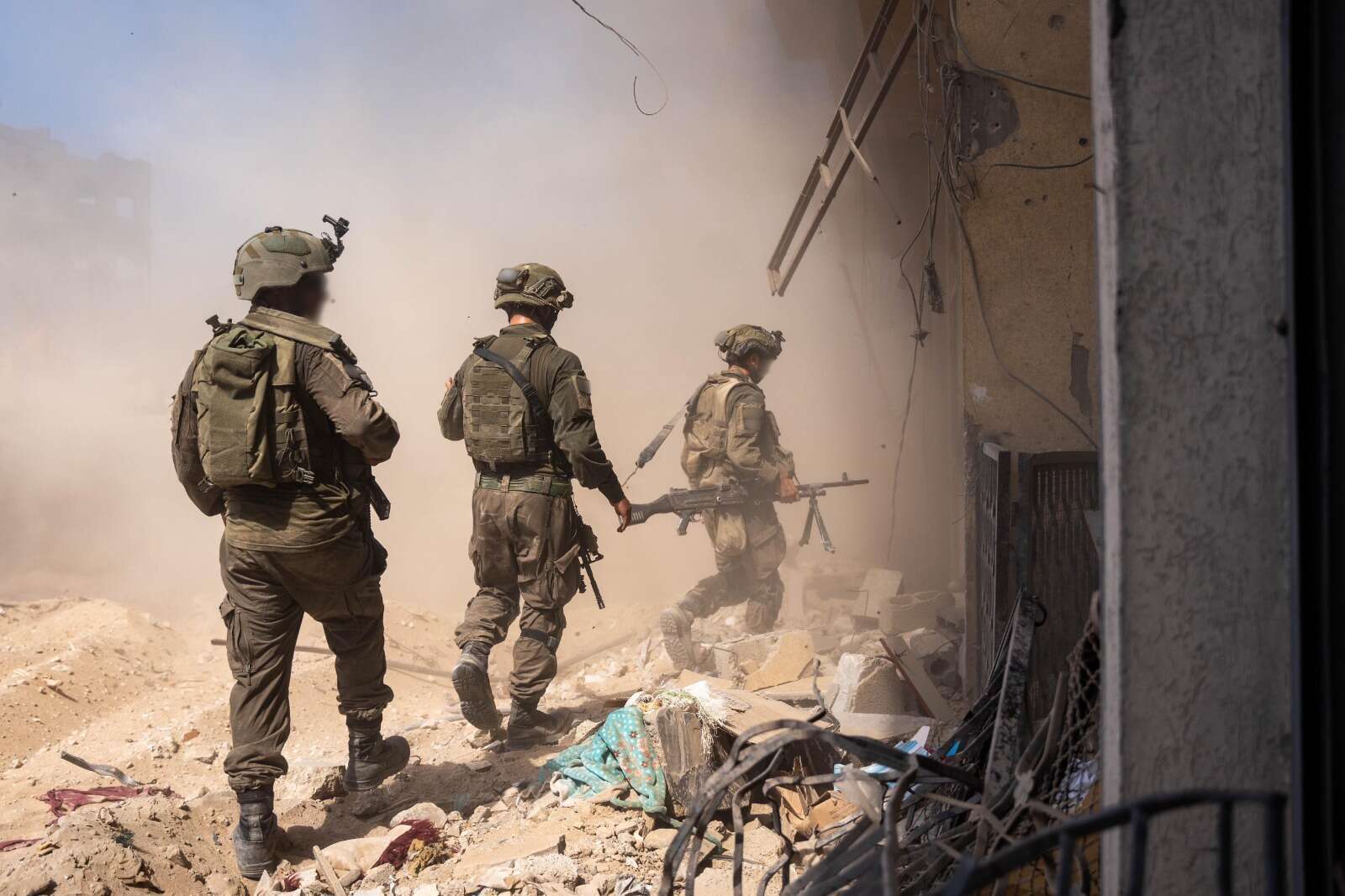
Chief Military Rabbi Brig. Gen. Eyal Krim prohibits soldiers in the Gaza Strip from fasting, not limited to a recommendation alone. "The need to continue in war and save lives permits eating and drinking on Yom Kippur," he clarified. Combat support personnel will also be permitted to drink and eat in small portions, and when necessary, to eat and drink normally.
Ahead of Yom Kippur, and against the background of the ground operation in Gaza City, a document was issued to soldiers containing religious legal emphases for Yom Kippur, while sharpening instructions for Operation Gideon's Chariots II in the Gaza Strip. Among other things, Rabbi Krim sought to address the phenomenon where soldiers insist on fasting before or after operational activity, even though they are at war, inside the Strip.
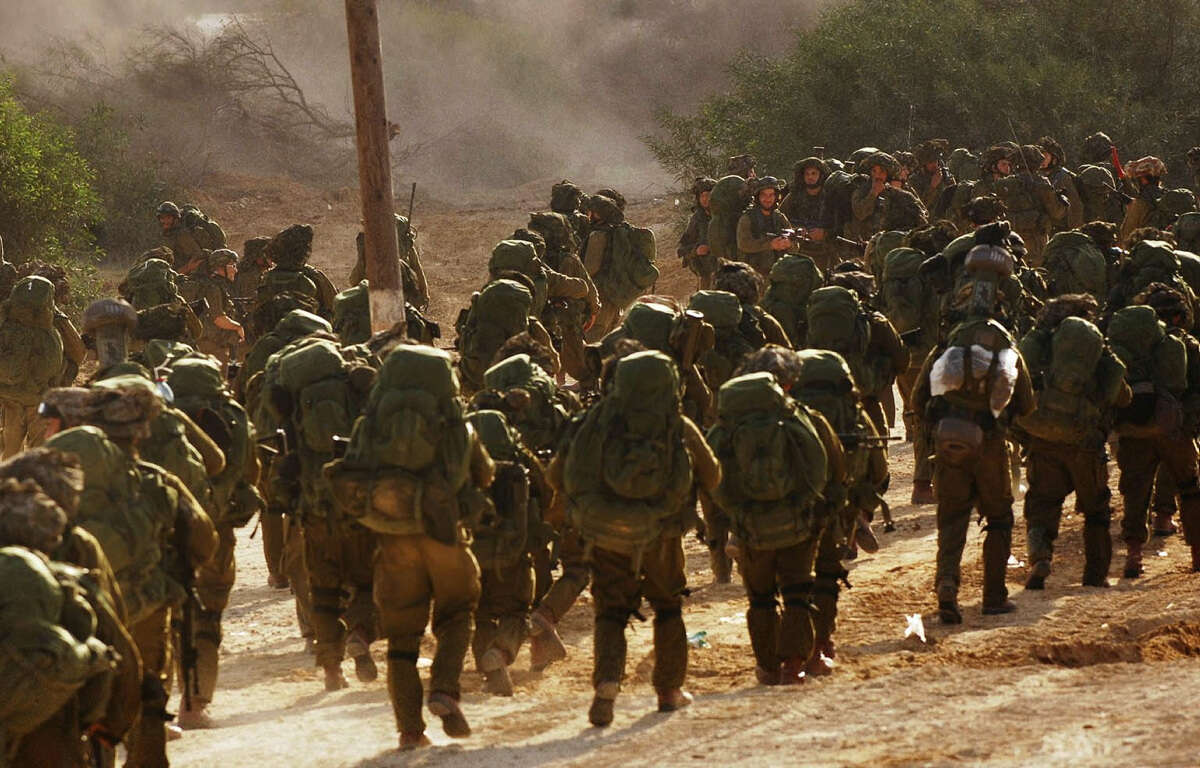
"Refraining from eating and drinking during wartime could constitute an obstacle to mission success and danger to fighters' lives," states the document obtained by Israel Hayom, accompanied by a prayer for soldiers who eat and drink on Yom Kippur. "A soldier who needs to eat due to engagement in combat thereby fulfills a commandment." Accordingly, he wrote, "soldiers engaged in intensive combat, with emphasis on soldiers in enemy territory, must eat and drink normally."
Regarding combat support personnel "such as armored vehicle technicians, aircraft or naval vessel personnel, and those managing combat and supporting it in operational centers and command posts, as well as soldiers engaged in homeland security missions, including security missions at rear camps, as well as forces on immediate standby – will not fast in order not to harm alertness and readiness for any mission, though they will take care to eat and drink 'in portions.'" If engaging in eating "in portions," meaning in very small amounts, distracts them from the activity they are engaged in "they will eat normally."
The Chief Rabbinate recently distributed packages containing water in an amount permitted for drinking "in portions" to units, to ease their situation. Soldiers who are at home on extended standby or in training will fast normally and prepare food and drink within reach in case of need.
Regarding the issue of travel to shifts during Yom Kippur, the military rabbinate addressed this in the document. "As a rule, there is no permission to travel from home to shift on Yom Kippur, and certainly not to return home at shift's end," but at the same time in places where there is no practical possibility for lodging and rest at the command post it is permitted even on Yom Kippur to travel by vehicle to the nearest place where there is possibility to rest ahead of the next shift.
Regarding logistics convoys, which take place once every few days, preferably when possible, they should not take place on Yom Kippur. Departure of forces from combat areas is permitted on any day. Training will not be conducted on Yom Kippur "unless urgently required for the readiness of forces about to enter combat immediately," and subject to approval by the command rabbi or division rabbi. IDF soldiers "on the front and in the rear," Rabbi Krim determines, including those going home, are required to carry their mobile phones on Yom Kippur and answer any call received.