

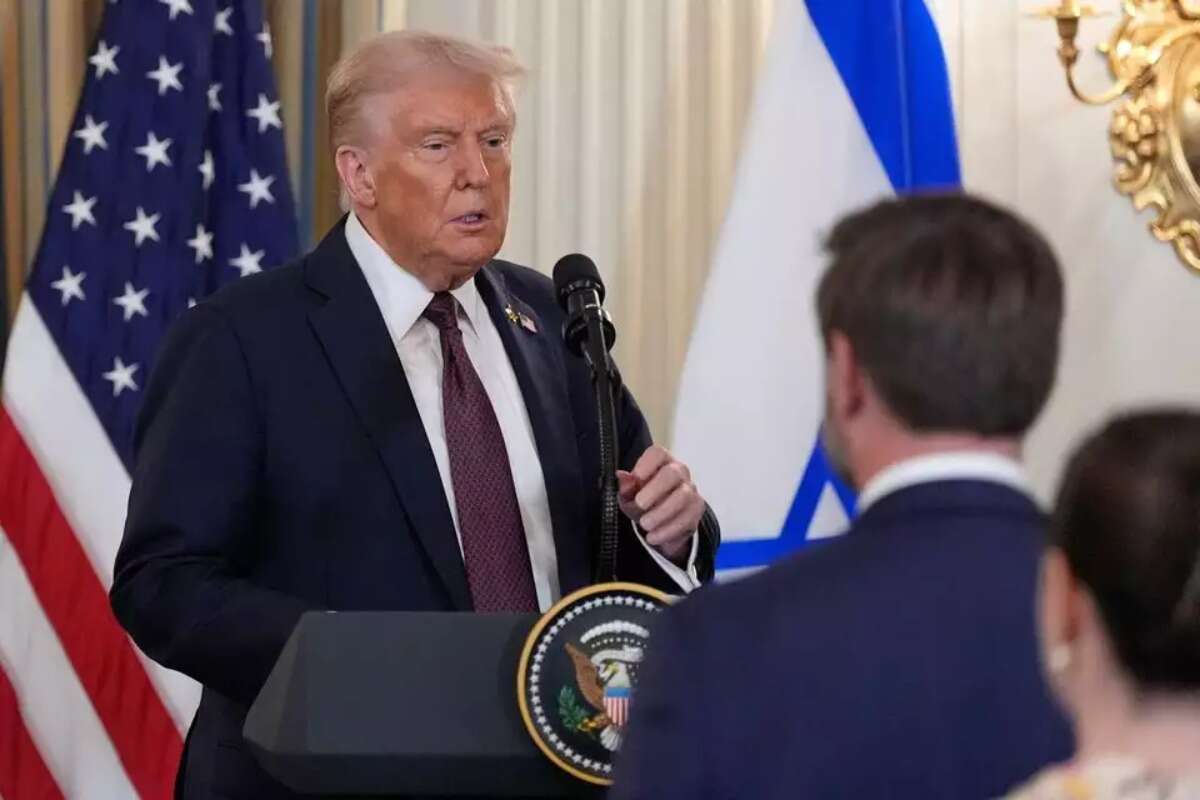
This is not the first plan presented to end the war in Gaza, but it is by far the most comprehensive, offering solutions to all the major sticking points. As Israel Hayom first reported, it also lays the groundwork for Trump's larger Middle East vision, the Mega-Deal, which carries the ambition of ending the wider Israeli-Palestinian conflict.
The plan, which Netanyahu has agreed to alongside Trump, would in fact realize Israel's stated goals for the war if implemented.
Its main points: a long-term ceasefire that effectively ends the fighting; the return of all hostages; the release of hundreds of terrorists; a gradual IDF withdrawal with a continued presence in the Netzarim Corridor and the Philadelphi Route; the departure of Hamas leadership from Gaza; amnesty for those who publicly support coexistence; full demilitarization of the Strip; reconstruction managed by a Palestinian civilian authority overseen by a board of directors headed by Trump himself.

A path to Palestinian sovereignty
The most controversial clause for Israel's right-wing camp is the opening of negotiations that could ultimately realize Palestinian aspirations for sovereignty and statehood. In his speech, Trump generously acknowledged Netanyahu's objections, but made clear that if the Palestinian Authority meets the conditions set out, the Palestinians would be entitled to it.
The chances of success for the plan appear strong, partly because of its scope and broad support for dismantling Hamas, which now stands virtually alone, and partly because of the toll of the war itself. Hamas was always the main spoiler of earlier ceasefire proposals. Today it faces a real dilemma: its forces on the ground are depleted, with the IDF eliminating dozens of terrorists daily – including commanders at various levels, and in some cases members of their families.
While Hamas fighters try to harass IDF units and score occasional successes, they have no impact on the military's advance in Gaza City. Public anger against Hamas is intensifying. The organization's external leadership, still in hiding after an assassination attempt in Doha, is focused primarily on survival. They are under harsh criticism both in Gaza and across the Arab world for the devastation of the Strip and the deaths of tens of thousands of Gazans. They are now seeking a way out that would at least allow them to claim the appearance of victory.

Netanyahu's apology to Qatari Prime Minister Al Thani also appears to be part of the story, as Qatar has accepted the plan in full and promised to secure Hamas's agreement. Turkey is also pressuring Hamas, and it now seems difficult for the group's leadership to reject the deal. They are cornered.
According to the plan, if Hamas refuses or delays its response, implementation will begin in areas controlled either by the IDF or by other Gazan actors not affiliated with Hamas.
Implementation already underway
In practice, the plan is already being put into motion. Even before formal agreements, the process of transferring civilian governance of Gaza has begun. According to details revealed by Israel Hayom, administration will be handed to a kind of temporary committee, composed mainly of Palestinian residents of Gaza. Government ministries will resume functioning much as they did before Hamas's coup that toppled the Palestinian Authority nearly two decades ago.
Israel Hayom has learned from international sources involved in the process that lists of hundreds of Gazans – most of them former officials of Palestinian government ministries, some ex-UN staff, and others with professional expertise – have been submitted to Israel for vetting. The aim is to build a civilian public service that will assume responsibility for governance in Gaza. Israeli authorities are reviewing the names to check for ties to Hamas or other terrorist groups. According to reports, the overwhelming majority have already been approved.
The implication is that all parties, except Hamas, are moving ahead with arrangements for the day after the war, contrary to Hamas's wishes, and in partial coordination with the Palestinian Authority. Officially, Israel does not acknowledge such coordination, but in practice, there are civilian contacts on practical issues. While Israel is not prepared to hand over governance of Gaza to the Palestinian Authority at this stage, its officials will indeed play roles in the emerging administration.


