

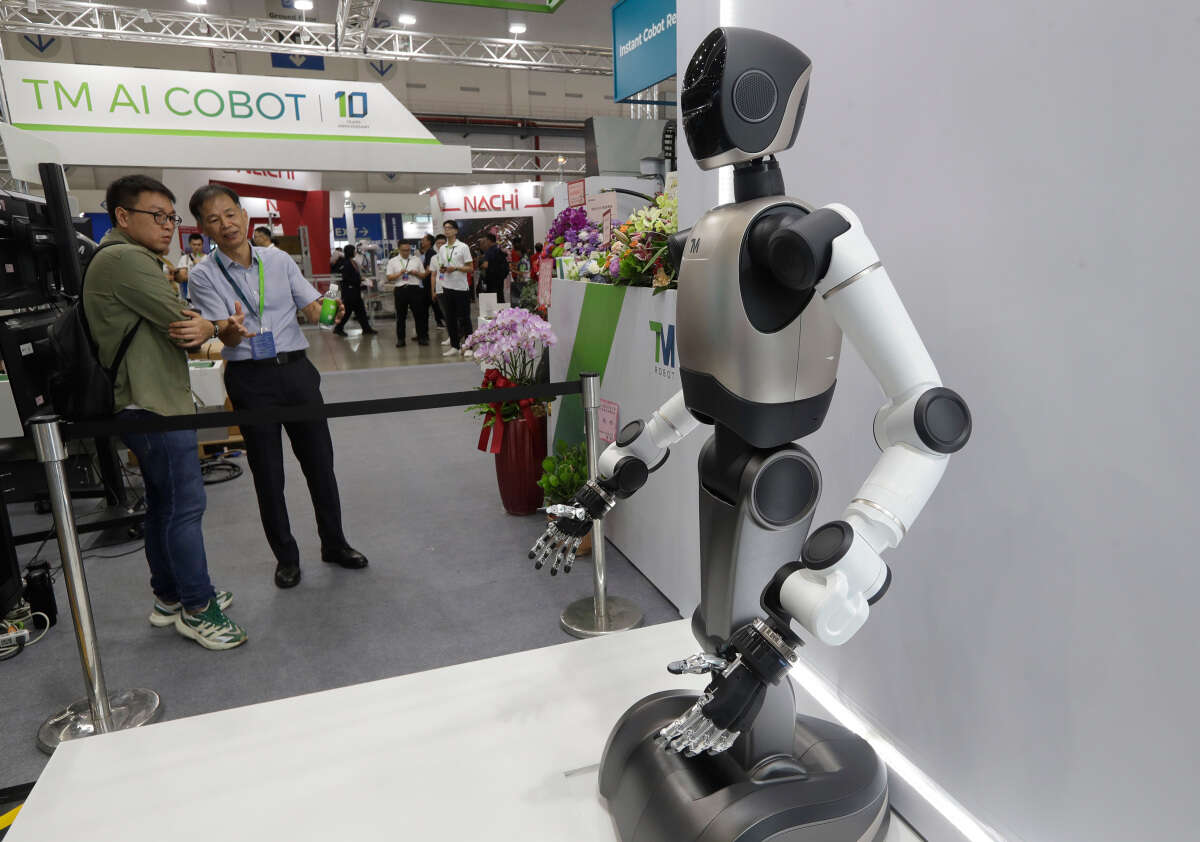
The technological race between Mark Zuckerberg, CEO of Meta, and Elon Musk, CEO of Tesla and SpaceX, is expanding into a new arena: AI-powered humanoid robots. After Zuckerberg unveiled smart glasses incorporating AI technology, experts believe he may open a new front against Musk, who is already investing heavily in the development of humanoid robots. This competition, reminiscent of the historic rivalry between Bill Gates and Steve Jobs, could shape the future of technology – and perhaps even our daily lives, according to an intriguing report in the Wall Street Journal.
Meta's recently unveiled smart glasses are equipped with advanced artificial intelligence capabilities, enabling them to identify objects, translate languages in real-time, and even assist with daily tasks. While many see them as a potential competitor to Apple's iPhone, some experts believe the technology could actually serve as a foundation for developing advanced robots.

In contrast, Musk focuses through Tesla on manufacturing humanoid robots, such as "Optimus," intended to perform physical tasks, including factory work and household assistance.
Jeff Cardenas, CEO of Apptronik, an American startup developing humanoid robots, stated that such robots could become personal assistants in the future, particularly for elderly individuals who require daily assistance. According to him, combining advanced artificial intelligence with robotic hardware could enable robots to learn, interact with their environment, and even understand human needs.
The competition between Zuckerberg and Musk isn't new. The two have clashed before over disagreements regarding artificial intelligence, with Musk warning about the dangers of uncontrolled AI development, while Zuckerberg advocated a more optimistic approach. Now, as both entrepreneurs invest in overlapping fields, the competition could accelerate the pace of technological development, but also raise questions about social and ethical implications.
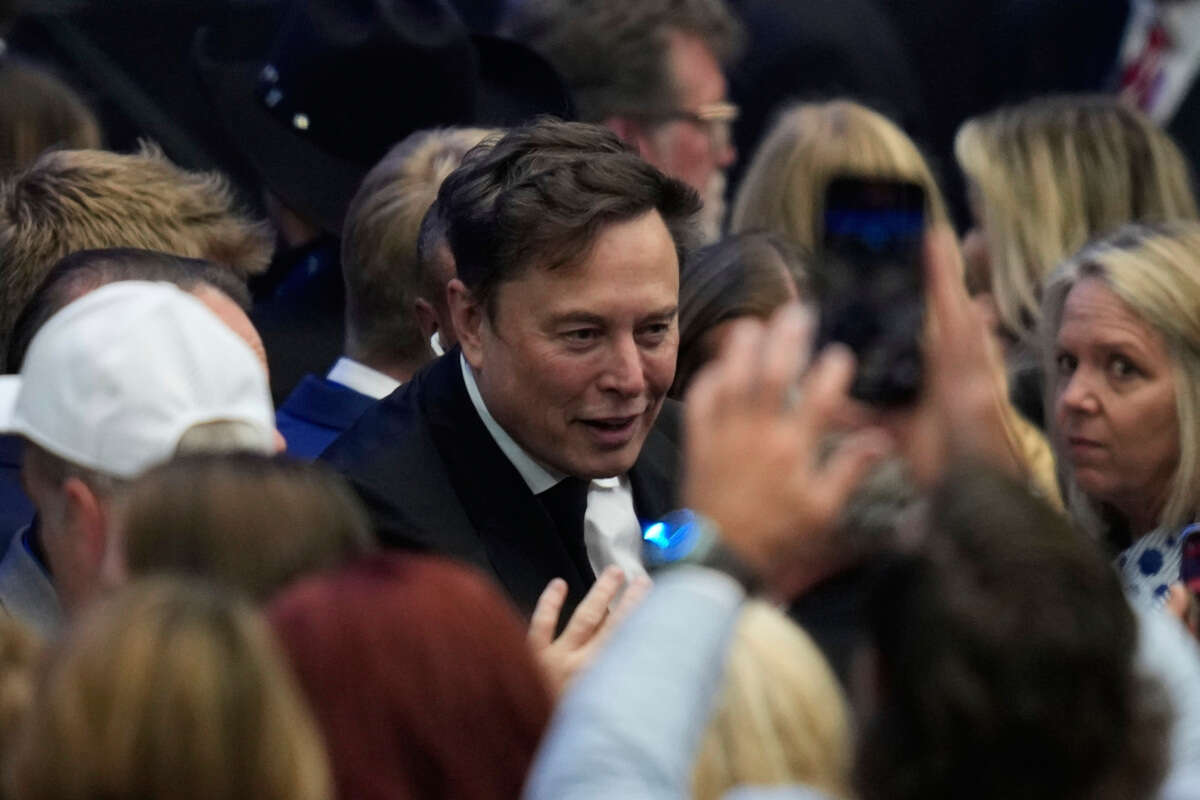
From an Israeli perspective, these developments could impact the local high-tech industry, which already leads in the fields of artificial intelligence and robotics. Israeli companies like Mobileye, which develops autonomous driving technologies, Intuition Robotics, which created the social robot "Eli," or Menteerobots, which developed the humanoid Menteebot, could find new opportunities in a rapidly developing market. However, Israel still faces challenges, including a shortage of skilled AI personnel and the need for greater government investment in research and development infrastructure.
The central question is what the future will look like: Will we rely on smart glasses that help us navigate the world, or will humanoid robots become an integral part of our lives? The answer depends largely on Zuckerberg and Musk's ability to turn their visions into reality – and on society's readiness to accept them.


