

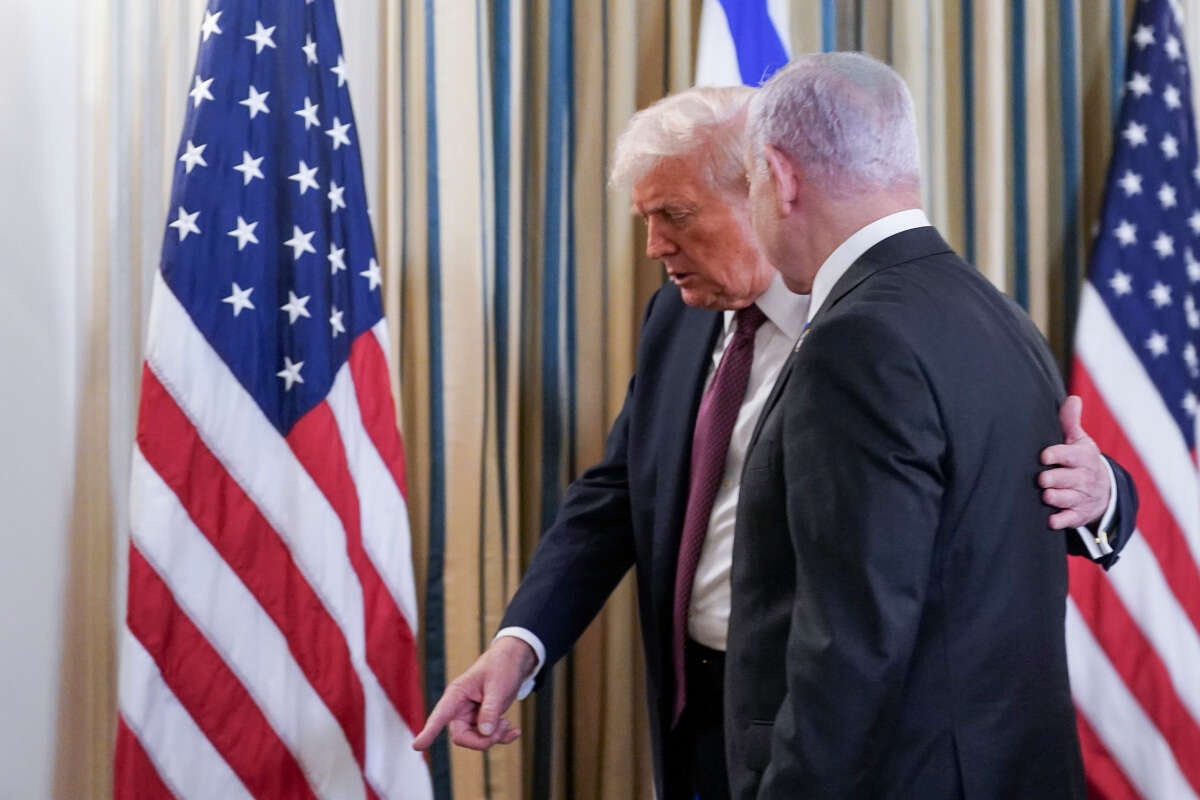
Anyone who expected a glittering press conference last night at the White House received a completely different performance. Donald Trump seemed tired, perhaps sick, and mainly less coherent than usual, if such a thing is even possible. The muttering, shifts from topic to topic, and promises scattered everywhere like confetti transformed the event into more of a diplomatic mystery than a cohesive American strategy.
Prime Minister Benjamin Netanyahu at his side was much more focused, even statesmanlike, and the gap between them was evident. It is hard to imagine Trump persuading Saudi Arabia, Egypt, or even Jordan to sign onto Netanyahu's version.
Video: Trump and Netanyahu on Sept. 30, 2025 / Credit: Reuters
And yet, behind this American-Israeli scene hides another stage, Doha, Qatar. A place that already knows how to close deals that appear impossible on paper.
It is very possible that this chapter in the Middle Eastern saga was already quietly closed in the corridors of a department in a hospital in Doha, where perhaps the foreign leadership of Hamas has been hospitalized since the failed assassination attempt. When also considering the strange anecdote about Netanyahu's apology, there are those who see this as no more than a complementary move to a grand bargain finalized in Qatar.
It is hard not to recall another Trumpist agreement that was also signed in Doha – only with a different kind of enemy, "Agreement for Bringing Peace to Afghanistan." The agreement with the Taliban, February 2020, looked then like a historic breakthrough. Mutual commitments, withdrawal of American forces on an almost military timeline, commitments by the Taliban to sever ties with al-Qaida and to open dialogue with the Kabul government – there was grand language of peace there.
It took less than a month for that bubble to burst. The Taliban returned to attacking the Afghan army, al-Qaida ties were not severed, and the talks with the central government sputtered until they disappeared. The agreement turned from golden yellow to a resounding farce.
Trump got from the Taliban a technical ceasefire against the Americans, and in return later handed the country to the Taliban.
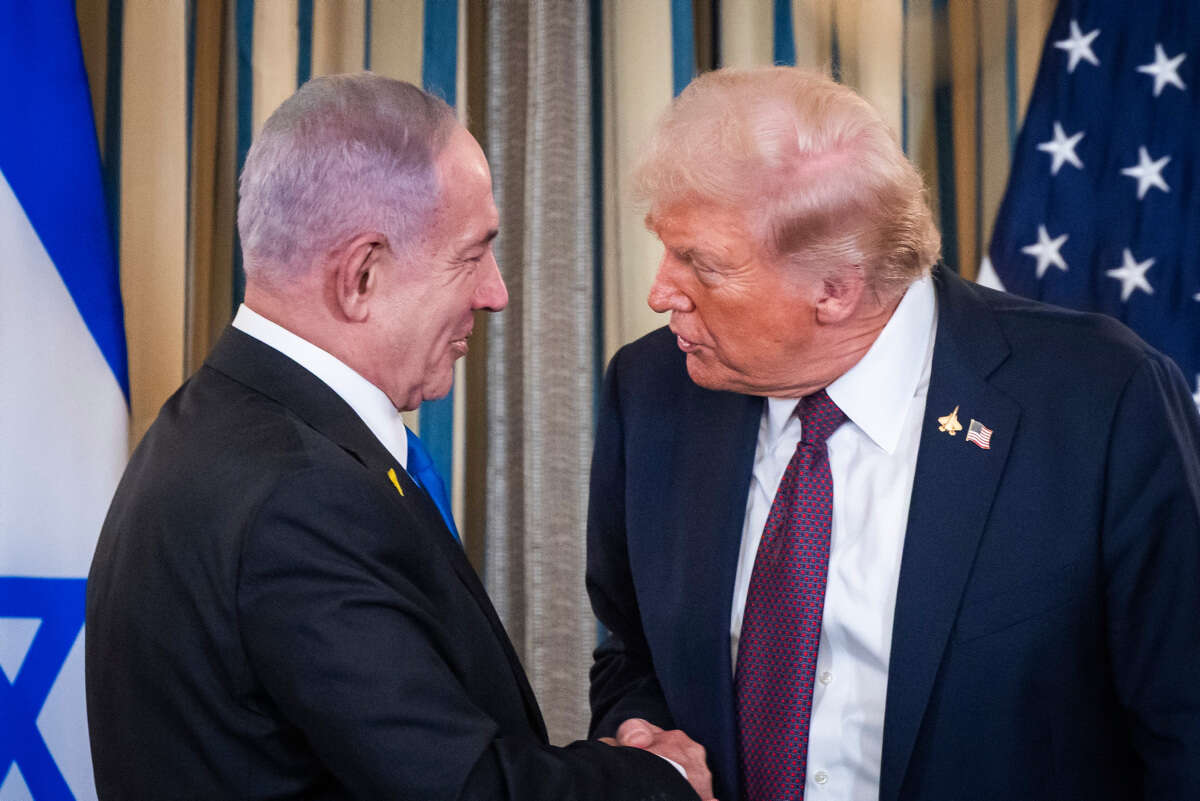
Here comes the obvious question, is "Doha 2.0," with Hamas this time on stage, looking different? Or is it again grains of sand that will scatter in the desert wind?
Optimism with a trap
For Israel, on the face of it, this is a peak of achievements. An American administration that adopts most of the Israeli version and promises full backing is not taken for granted in an era of hostile international public opinion and diplomatic pressures from all sides. Israel succeeded in bringing the optimal combination, a diplomatic-security plan that touches the heart of Israel's declared war goals, while receiving a rubber stamp from the White House. The question of whether this will really translate on the ground is much less clear.
Hamas holds the cards tightly in its hands, the hostages. To demand blanket release in 72 hours, without the organization remaining with any bargaining chip, is almost a fantasy. Even if Trump and Bibi think there is a document that obligates this, the people of Gaza will always find a way to evade, "The hostage is held by a rogue clan"; "We need time to locate the hostages"; or a modern version of "The computer fell out of our bag." The procrastination will be a built-in part of the strategy.
The issue of disarming Hamas is perhaps the central landmine in the future agreement. Israel can insist, the US can commit, Trump can promise in a hoarse voice, but for Hamas this is a matter of survival. The last weeks revealed a new reality in Gaza, the dense population is moving south despite the organization's threats, its authority is slipping, and above all – the greatest fear is not Iron Dome or the paratrooper brigade, but the local clans: Those strong families, who, when the regime loses grip, will try to settle personal scores and perhaps also take over Hamas' bloated cash box. Here lies the real threat from the perspective of the leadership in Gaza. Israel is a clear and stable enemy, but chaos is an existential danger.
Days of upheavals are ahead of us. It is possible that the first conditions for releasing some of the hostages will be set already this week. It is possible that the effect will be delayed, that the familiar Palestinian evasion campaign will continue. It is not impossible that we will discover that even before the cameras flashed at the White House, the most important chapter was already written in Doha. And if history teaches anything, even a deal signed in glittering ceremonies can dissipate in the sounds of explosions coming from hospitals, mosques, and neighborhoods in southern Gaza.
Hamas will not rush to give up all its bargaining cards within 72 hours.
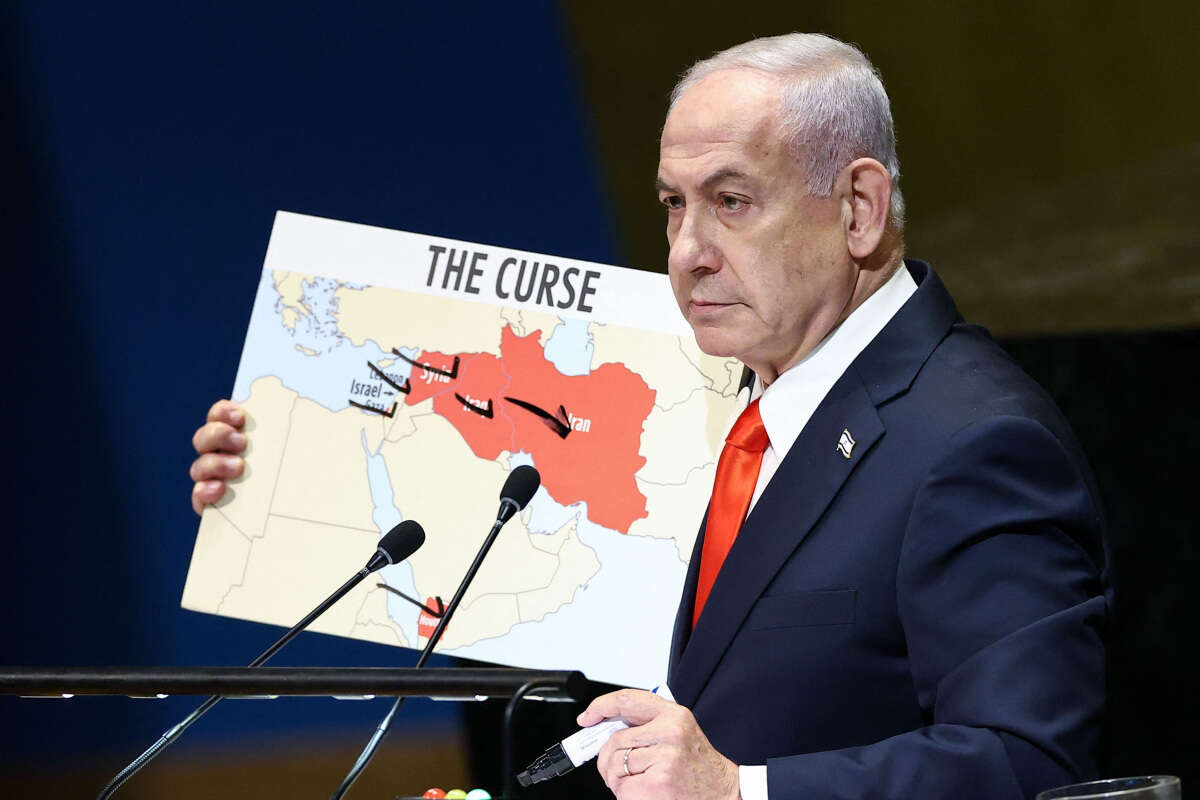
We all hope that the agreement will take shape and materialize and the hostages will return home. However, the common denominator between the two "Doha agreements," that of the Taliban and this one brewing against Hamas, is the temptation to embrace an illusion, that a publicized text and detailed wording are enough to change a complex political and social reality. In reality, deep dynamics are stronger and more consistent than any document. Trump perhaps looked tired in front of the cameras, but the real fatigue is that of the whole world in the face of the repetitiveness of this tragic comedy.


