The US and regionally mediated negotiations between Israel and Hamas on President Donald Trump's ceasefire and hostage deal effectively began on Saturday night. Hamas submitted several demands, the first being a complete ceasefire throughout the talks — a condition Israel immediately rejected.
Nonetheless, Israel has already started partial coordination, through the mediators, to allow Hamas to locate and identify the graves of hostages who were killed and buried in different parts of the Gaza Strip. In some areas where buildings were completely destroyed, debris must be cleared to pinpoint the exact burial sites.
Hamas claims it has provided Israel with lists of the hostages in its possession, both living and deceased, without specifying numbers. Israel has not confirmed receiving such information, and an Israeli security official said Hamas may attempt to shift responsibility onto other terrorist organizations holding hostages in the Gaza Strip.
An Arab diplomat involved in the talks said there were "somewhat contradictory signals" coming from Hamas, with moments of agreement followed by renewed objections to clauses already settled. Still, he expressed confidence that the negotiations could conclude within days, and that by the end of the week the process of releasing hostages and prisoners could begin.
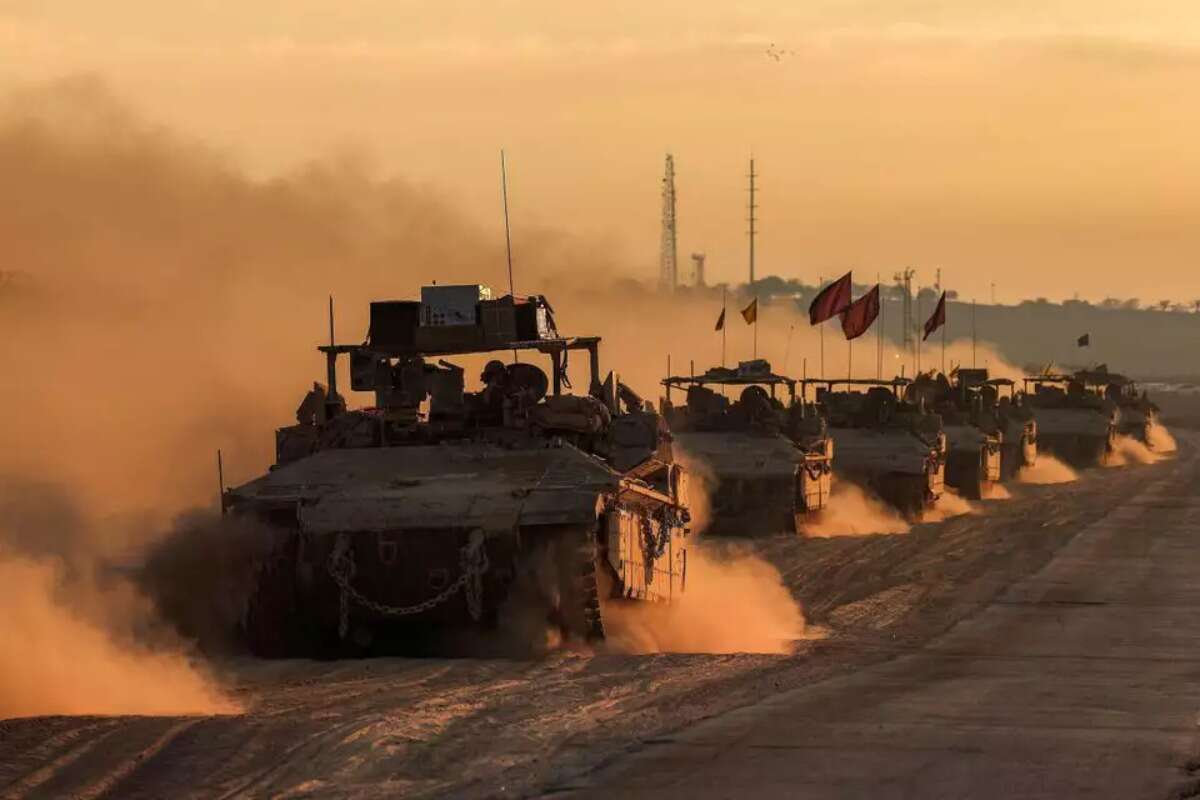
Discussions set to take place in Egypt will focus on the technical aspects of returning the hostages, Israeli troop withdrawals to the yellow line, and the entry of supplies into Gaza. The United Nations and international aid agencies are closely involved in efforts to prevent looting of humanitarian shipments.
Coordination with the Red Cross is particularly crucial. Israel seeks to deliver immediate medical aid to the hostages even before their release, and to ensure that, if necessary, hostages are transported by ambulances or other vehicles equipped with medical gear.

Another sensitive issue concerns the militias opposed to Hamas that are currently operating in areas Israel is expected to vacate under the plan. Hamas has vowed to retaliate against them. Israel, which has backed some of these groups, is seeking ways to prevent violent clashes.
A further demand by Hamas that could derail the deal is the release of terrorists captured on or after October 7, including some who took part in the massacre and others arrested during the Gaza war. None of them have yet stood trial. Israeli officials said this demand contradicts the principles of President Donald Trump's plan.