Israel is set to approve a ceasefire with Hamas following an announcement by US President Donald Trump that a deal had been reached during talks in Sharm el-Sheikh. Strategic Affairs Minister Ron Dermer is expected to sign the agreement on behalf of the Israeli government.
Although the process is expected to be complex and gradual, an immediate ceasefire will go into effect once the deal is signed. During the initial 72-hour period, all hostages, both the living and the deceased, are expected to be released. Reports indicate that all surviving hostages will be released in a single phase, while the bodies of deceased hostages will be returned in separate stages.
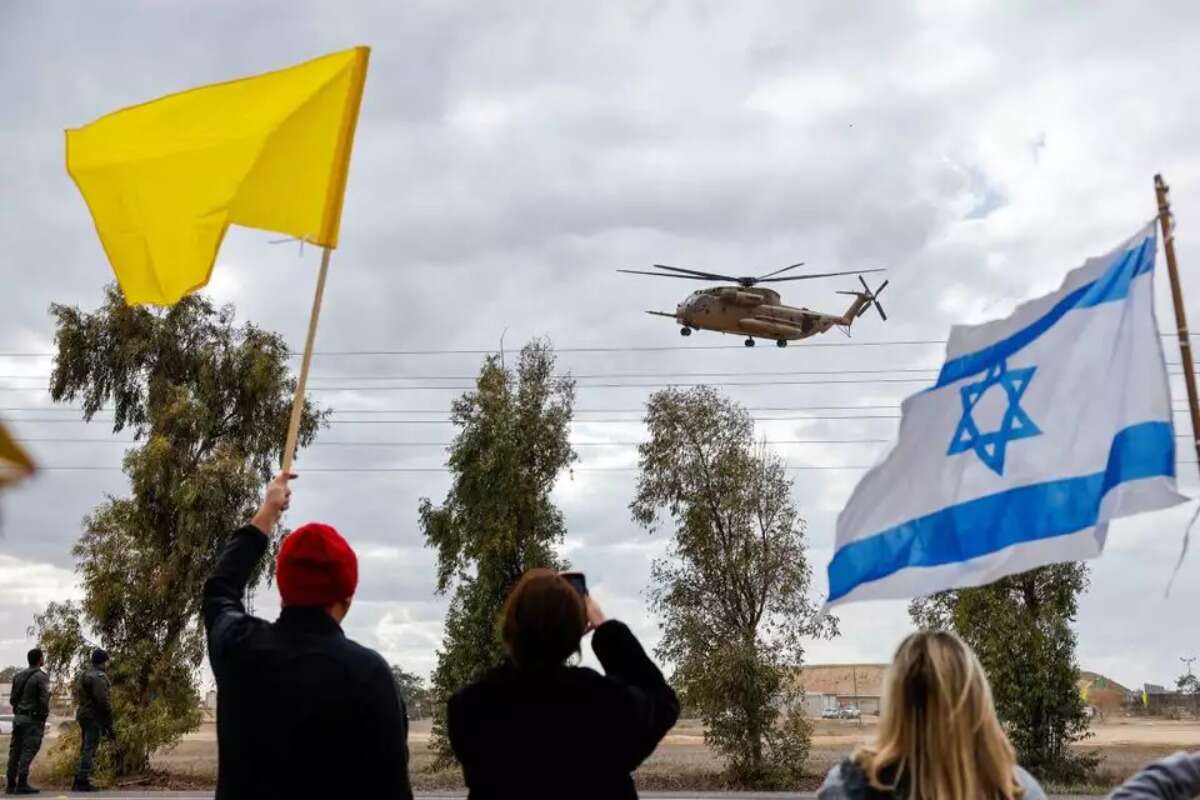
Once the hostages are freed, the IDF will have 24 hours to withdraw across the so-called "yellow line," with minor modifications. A further gradual withdrawal will then bring Israeli forces closer to the Gaza perimeter.
Egyptian sources told Qatar-based channel Al-Araby that the Rafah crossing will soon reopen for movement in both directions. An additional report said it was agreed that 400 humanitarian aid trucks would enter Gaza daily during the first five days of the ceasefire.
For every group of hostages released, Israel will free a corresponding group of Palestinian prisoners. The swap process is expected to be completed by Sunday. An Israeli official familiar with the terms of the agreement said Hamas had committed to avoiding public celebrations or ceremonies upon the hostages' release.

Earlier, the Associated Press reported, citing unnamed sources, that following President Trump's announcement of the ceasefire deal, Hamas would release all 20 living hostages over the weekend in parallel with the IDF's withdrawal from most of the Gaza Strip.
Prime Minister Benjamin Netanyahu's office confirmed he had spoken with President Trump. "The two held a very emotional and warm conversation and congratulated each other on the historic achievement of signing the agreement for the release of all the hostages," the Prime Minister's Office said.