


After Prime Minister Benjamin Netanyahu accepted US President Donald Trump's invitation to join the peace conference in Egypt, several Arab leaders threatened to boycott the event. Turkish President Recep Tayyip Erdogan went so far as to warn Egyptian President Abdel-Fattah el-Sissi that he would turn his plane back to Ankara if Netanyahu arrived.
The threat worked, and Netanyahu canceled his participation in the summit, despite Trump's encouragement for him to attend.
According to the Turkish state-run Anadolu news agency, Erdogan's aircraft circled in the air several times before the announcement that Netanyahu had withdrawn from the conference. The agency added a telling detail: "President Erdogan's plane crossed the approach path to Sharm el-Sheikh and remained for a time over the Red Sea."
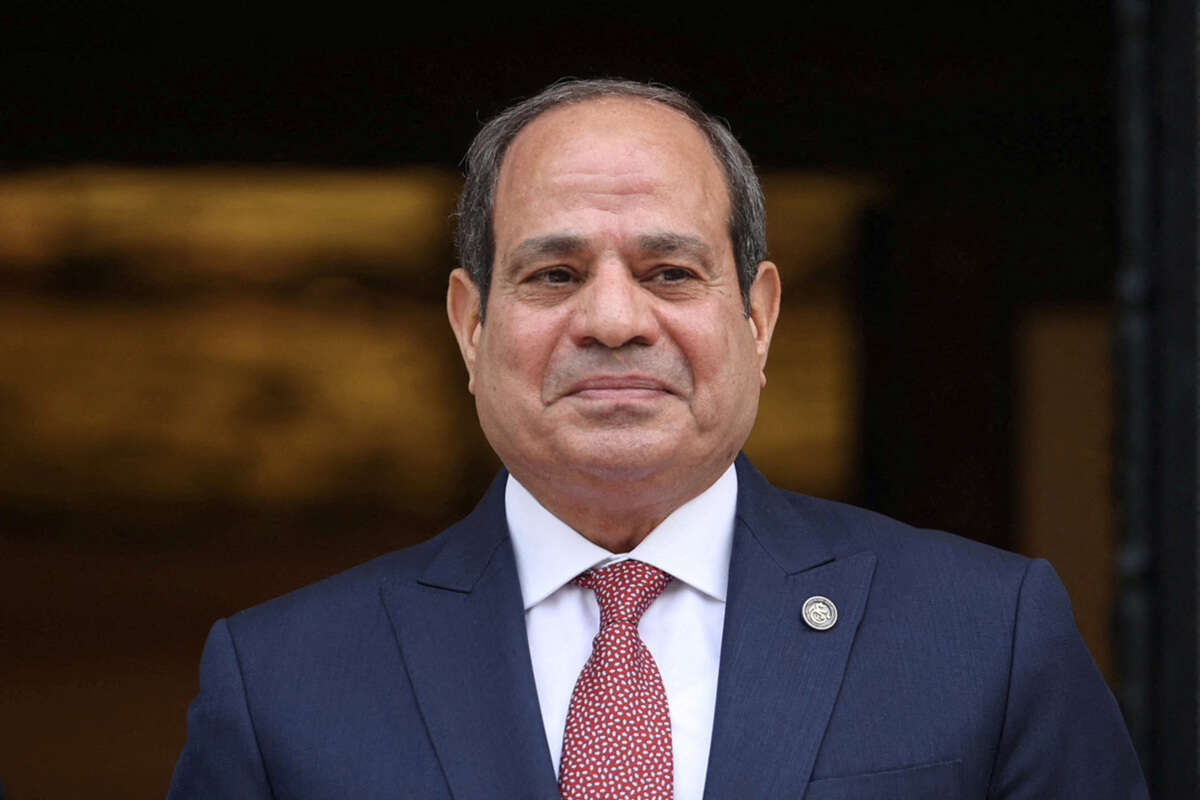
Israel Hayom has learned that the Turks also conveyed a message to the Americans, expressing anger that the move had not been coordinated with them. Following consultations between American officials and later with Prime Minister Benjamin Netanyahu's aides, it was decided to cancel the visit. Netanyahu's office then searched for an explanation for his withdrawal from the summit, eventually settling on "the start of the holiday" as the reason. In reality, there had been no discussion of the matter with the ultra-Orthodox parties or with the right-wing factions in the coalition.
A diplomatic source involved in the events told Israel Hayom that several countries are still not ready for President Donald Trump's groundbreaking regional initiatives and that more time and progress in other areas are needed to arrange a broad meeting of regional leaders with Israel.
According to the source, such a summit requires lengthy diplomatic preparation and prior agreement on key understandings. "The president's diplomatic spontaneity did not go down smoothly with several regional leaders," the source added.
As previously reported by Israel Hayom, Trump is planning a more organized and extended visit to the region in the coming months to announce his "mega deal" — his political, strategic, and economic plan for the Middle East, which is expected to include expanding the Abraham Accords and additional agreements in the fields of energy, trade, and more.


