Although the survivors have been back in Israel for only a day, bits of what they went through during their two years in captivity are emerging in broken sentences and painful stories.
Avintan Or, who was held alone by Hamas terrorists throughout his two years in captivity, told relatives that he tried to escape from his guards. The attempt failed, and he was caught and thrown into a dungeon. For a time, Avintan was chained as punishment for trying to flee.
 Another former hostage said he had been moved frequently between locations, including underground hideouts and apartments. Sometimes they were disguised during transfers so as not to be recognized. The moves usually took place at night. Some of the captives even managed to keep diaries after obtaining pens and paper.
A family member of another survivor said the hostages were often shackled for hours and lived under constant psychological terror, forced to ask permission for everything. Sanitary conditions were extremely poor, and they were rarely allowed to shower. Channel 12 News reported that Elkana Bochbot was permitted to bathe only once, on his wedding anniversary, after repeated pleas to his captors.
Another relative said there were long periods when the captives hardly saw daylight, which took a toll on their physical and mental health. "There were moments of breakdown and tears," he said. "They tried to support each other."
One family member recalled that the hostages were subjected to horrifying threats, including having guns pointed at their heads when the terrorists wanted them to appear in propaganda videos and were dissatisfied with the results. At times, there was a kind of forced "coexistence": when the terrorists lacked a fourth player for card games, they would bring in a hostage to join them, but always under threat. "They couldn't argue during the game," the relative said. "The terrorists would warn them: 'Relax, you're still a hostage.'"
Boaz Miran, brother of freed hostage Omri Miran, said his brother remembers everything in detail. "He told me, 'I remember almost everything,'" Boaz said. "There was a shortage of food. Sometimes he'd get a small plate of rice once a day or once every two days. For three weeks in January 2024, there was no food at all, and they were given even less. They cooked for themselves and sometimes ate with the captors. Omri was assertive with them—he improved his Arabic, understands more now, but says he speaks it poorly. He talked with the terrorists that way."
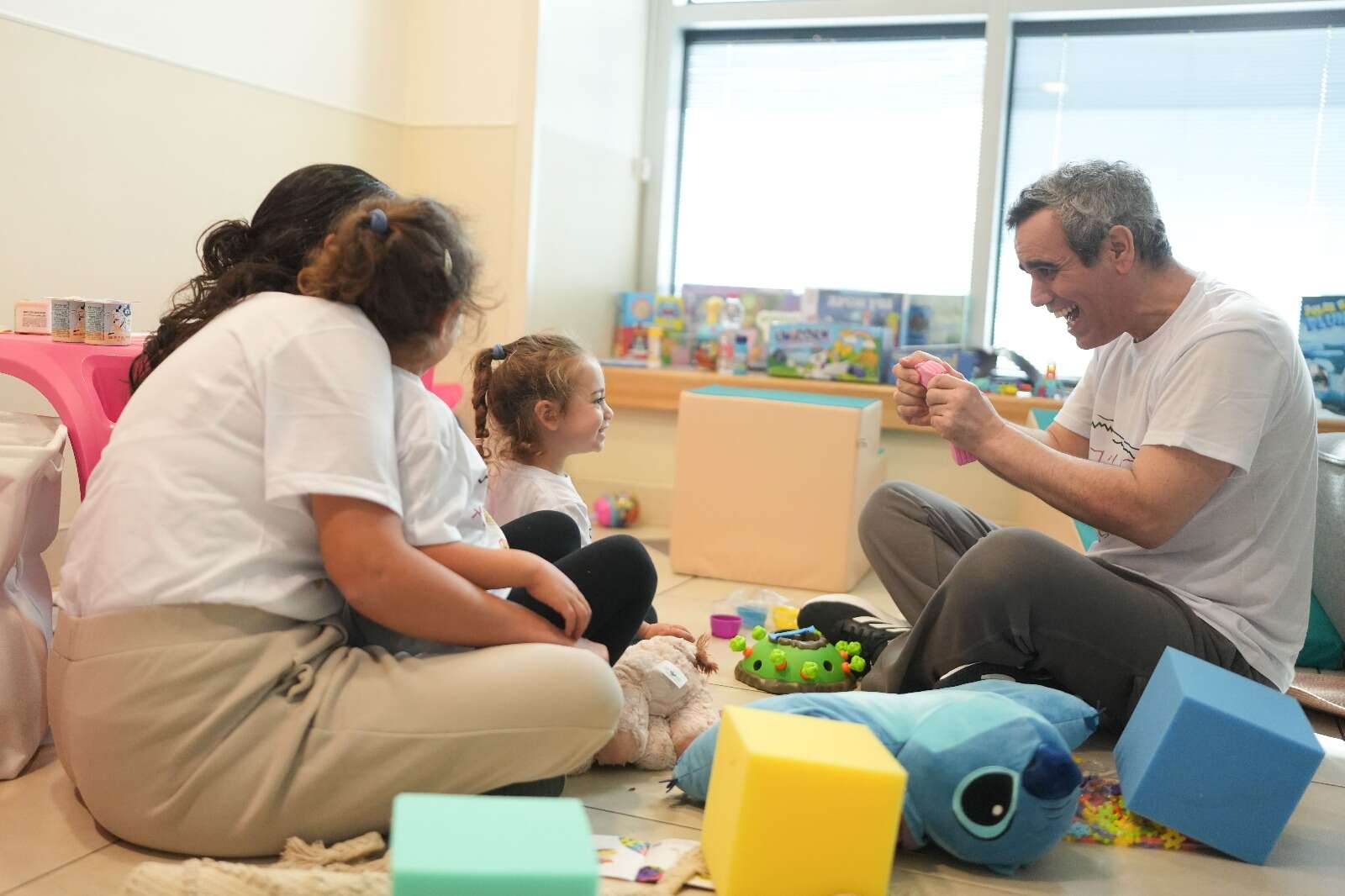
Boaz added that Omri's condition is good, both physically and mentally. "He's the same person who left us two years ago," he said. "He still has his sense of humor and his way of speaking—the same brother we knew and loved. Omri is a shiatsu therapist. He said that practicing yoga in captivity helped him a lot. Naturally, they were moved from place to place, sometimes kept with only a small group of hostages."
"He had limited access to media," Boaz continued. "He saw interviews with me and our father, but not regularly—mostly Al Jazeera broadcasts. He knew generally what was happening, but not everything. I haven't yet asked if he knew about Israel's attack in Iran, but he did know about the negotiations. He said that when the deal collapsed, the captors were furious. They wanted a deal and blamed their own leadership for rejecting the offer."