

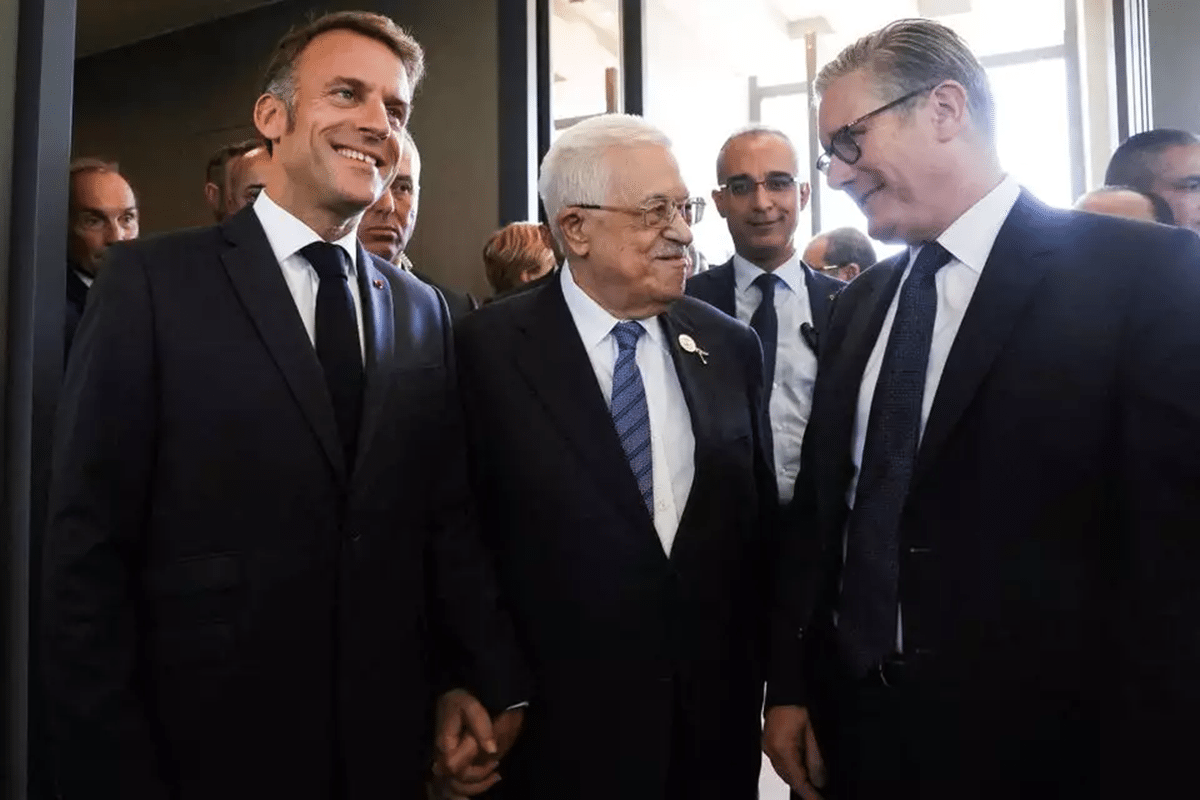
Last Sunday, Education Minister Brigitte Philippson said in an interview with Sky News that Britain played a "key role behind the scenes" in shaping the Gaza ceasefire agreement, and Prime Minister Keir Starmer's presence in Sharm el-Sheikh would be evidence of this "central role." US Ambassador to Israel Mike Huckabee shared the video and wrote, "I assure you, she's delusional."
The apparently less-than-diplomatic statement subsequently led to a post by Special Envoy Steve Witkoff. "I want to recognize Britain's vital role in helping those efforts that led to the agreement," he wrote while attempting to salvage the honor of allies from London.
This diplomatic incident somewhat reflects Europe's situation and that of Western leaders regarding the agreement that led to the Gaza ceasefire – they would like to be far more involved, and they would also like people to know it. Nevertheless, some European countries want to be more central in the process, the foremost among them being France. But Europe itself is divided on how to do this.
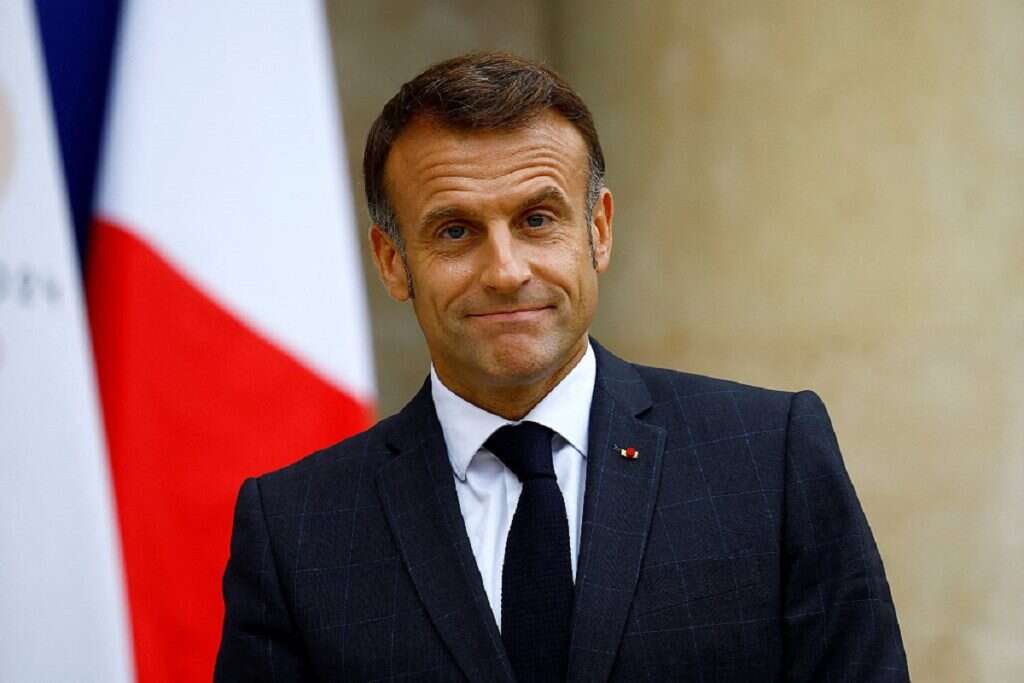
Europe has not abandoned the two-state solution idea – this concept remains an almost absolute consensus on the continent. However, it is divided on when to recognize a Palestinian state, and primarily, whether it makes sense to do so now, two years after the October 7 massacre, when Israeli public opinion rejects the idea, and right after Trump reached a formula that Israelis and Palestinians agree to.
Countries like France, Spain, Ireland, and some Scandinavian nations want to advance a move leading to a Palestinian state parallel to the American plan, although they fear damaging the fragile agreement. In contrast, countries like Germany and Austria understand why Israel won't rush there, and believe establishing a Palestinian state must come only at the end of a process giving Israel a complete security response.
France is the most prominent example of this aspiration. Foreign Minister Jean-Noël Barrot convened foreign ministers and senior politicians from around the world in Paris on Thursday – Germany, Spain, Italy, Britain, Turkey, Egypt, Saudi Arabia, United Arab Emirates, Qatar and Jordan.
This continues the conference President Macron convened in September at the UN, where he recognized a Palestinian state and called to advance two states for two peoples. But the US refused to send senior officials and Israel refused to participate, so the conference remained operationally meaningless.
Now, after the agreement, Macron declares that France is "ready to continue its goal of a two-state solution" – the French understand they must not anger Trump, but see the agreement as an opportunity to advance the French-Saudi initiative.
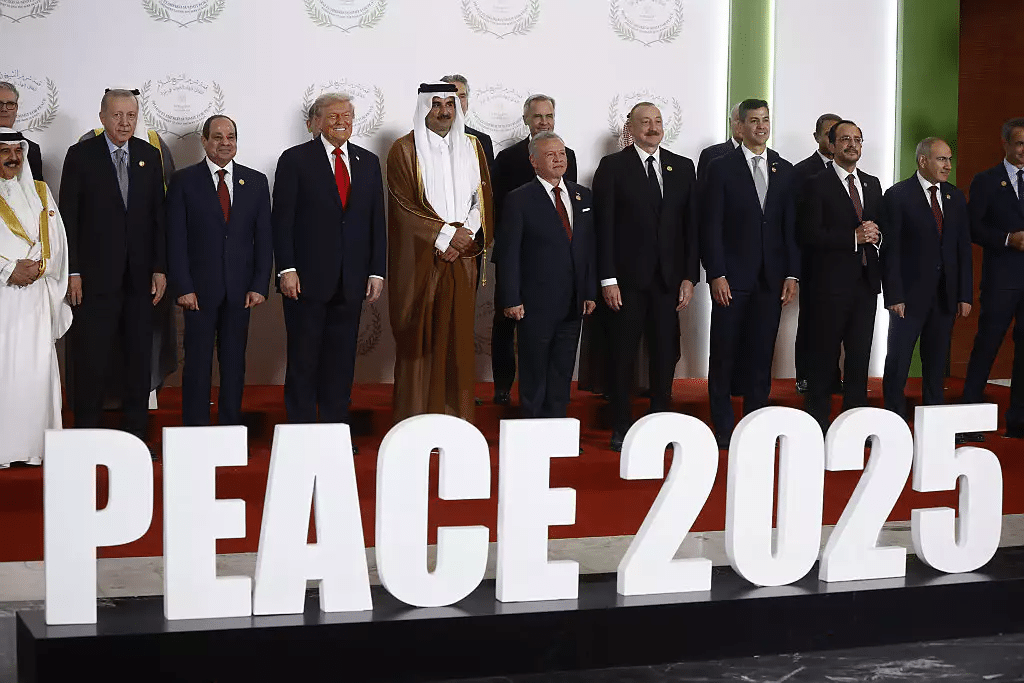
The person who accompanied Mahmoud Abbas to the handshake with Trump at the Sharm el-Sheikh conference was not one Arab leader or another, but Emmanuel Macron – who increasingly appears as a kind of patron of the elderly leader who has lost favor in the eyes of all regional leaders. At the Paris meeting, they discussed humanitarian aid and Gaza reconstruction, security arrangements with international forces and Palestinian police training, and future governance in Gaza.
All participants agreed to incorporate the Palestinian Authority and support it financially – on condition it advances reforms. The European Union committed 400 million euros per year until 2027, with bonuses exceeding 100 million additional euros for proper administrative structure, fighting corruption, stopping payments to terrorists and ending incitement in the education system. The French claim Palestinians stopped paying terrorists, but Israel rejects this, arguing it's merely a different mechanism – and the incitement in textbooks continues.
Germany, however, is much more cautious. Foreign Minister Johann Wadephul was hosted over the weekend at the home of Foreign Minister Gideon Sa'ar – Germany has an "open door" in Israel thanks to its support and blocking sanctions in the European Union. This contrasts with France, which Sa'ar attacked again and warned not to advance an initiative that would damage Trump's agreement.
The German Foreign Ministry doesn't connect the Paris meeting to the French-Saudi initiative – they speak only of "implementing the US peace plan."
A German source clarified to Israel Hayom that "Germany views the US peace plan as a unique opportunity to end the destructive war in Gaza, ensure hostage release, and provide urgent humanitarian aid. Germany will support implementation of the US peace plan with concrete actions."
The European Union also wants to play a more significant role than signing checks. Kaja Kallas, the EU High Representative for Foreign Affairs and Security Policy, said the EU is ready to redeploy its task forces at Rafah crossing (EUBAM) that guard the crossing and train Palestinian police (EUPOL COPPS) – and expand their role if needed.
The EU transfers approximately 400 to 600 million euros per year to the Authority, and altogether expects to transfer a sum of 1.6 billion euros in 2024–2027 – on the supposed condition that the Authority implements required reforms.
"We are the biggest donors to Palestine in terms of humanitarian aid and also to the Palestinian Authority," Kallas said, "so I think after what we bring to the table, we should also be around that table and take part in the discussions."
Dr. Eyal Robinson, a Middle East expert, told Israel Hayom: "Whoever can impose advancing two states on Israel is the US, not Europe – but that's not its policy. Senior American officials declare the United States won't push in that direction. Ultimately, America's ability to move things proved itself in Iran, in Syria, with the Palestinians, and even in Lebanon – where France traditionally has dominance, but who manages things is an American envoy."


