

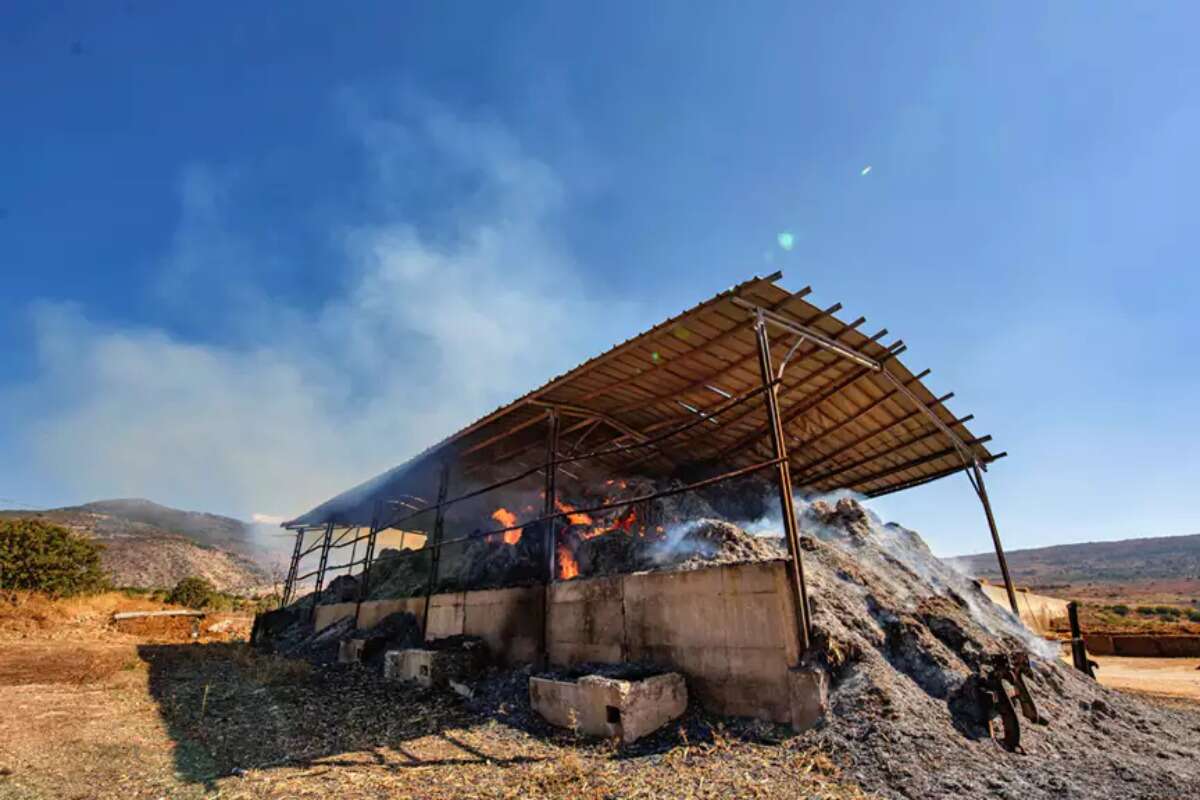
An unprecedented wave of fires targeting hay barns — storage facilities for hay and fodder used to feed dairy cows — is threatening Israel's milk supply and could soon lead to severe shortages and sharp price hikes, officials have warned.
A special investigation by Israel Hayom has found that since the start of 2025, 20 hay barn fires have been reported across the country, compared to just a handful of cases last year — a spike of several hundred percent.
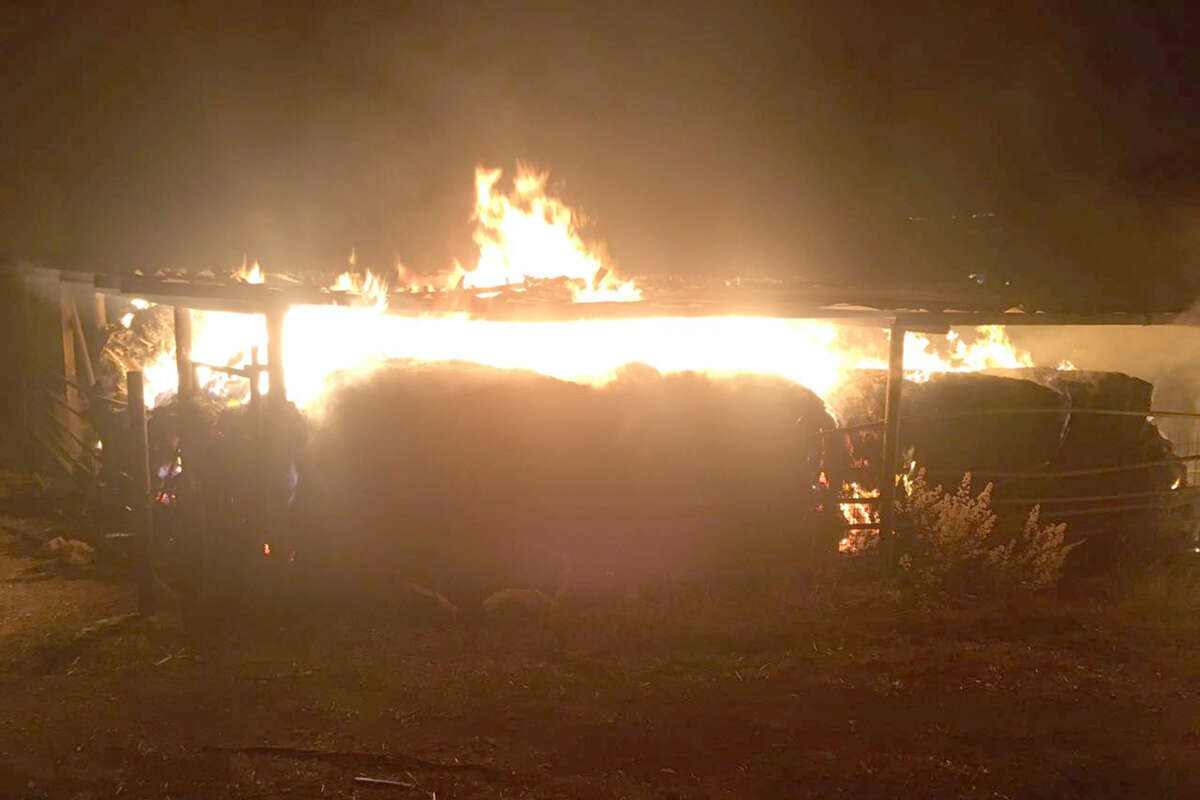
Israel's Fire and Rescue Services say most of the blazes are not accidental. Many are the result of deliberate arson, often linked to criminal gangs extorting protection money from farmers in rural areas. "These incidents put lives at risk and damage critical infrastructure," fire officials said. "Every hay barn that goes up in flames disrupts an entire supply chain — from the hay, to the dairy farms, to the supermarket shelves."
In Israel's southern district, where at least five of the recent fires occurred, Deputy District Commander Fire Chief Itzik Levi described the situation as dire. "Each fire drags on for days and causes enormous damage," he said. "During the Rosh Hashanah holiday, our teams worked for over 60 hours to fully extinguish a blaze. When the hay is gone, the cows have nothing to eat, production halts, and prices soar. This is a blow to the dairy industry and to national resilience."
While many fires are set intentionally, others stem from spontaneous combustion — dense, moist hay that heats up from within and ignites due to microbial activity.
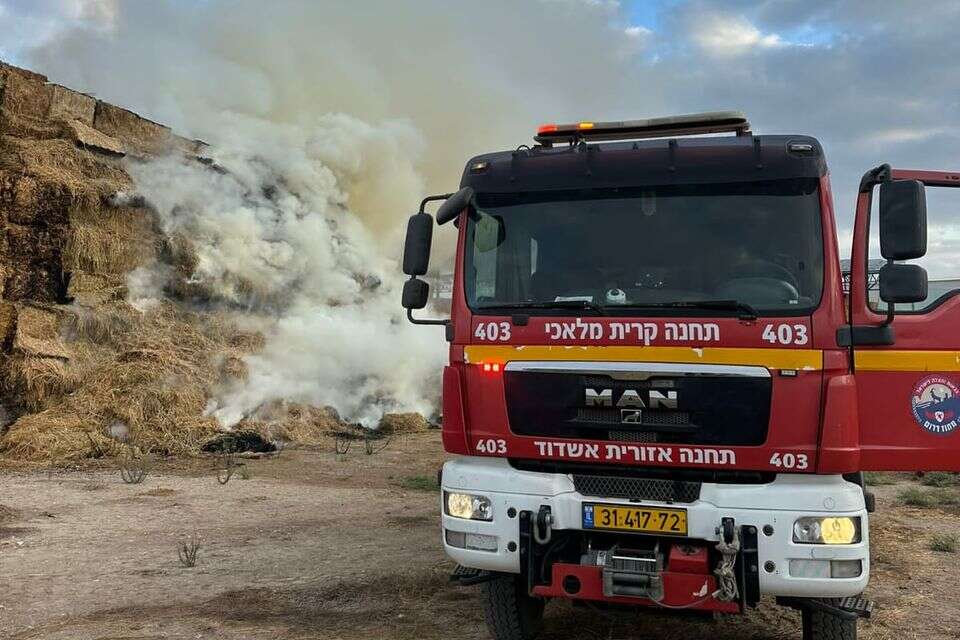
A fire investigator explained: "When there's high humidity and compression, hay piles heat up and catch fire from the inside, especially on hot days. This can easily be prevented with proper drying, ventilation, and regular temperature checks." He noted that four fires in the north were caused by hay purchased from a single supplier who failed to dry the product properly.
Zebulun Station Commander Fire Chief Kobi Mizrahi said the fires pose serious operational challenges. "These are tough incidents that sometimes take four days to bring under control. We need heavy equipment, specialized foam, and a lot of manpower. It wears down the system and limits our ability to respond to other emergencies."
Fire and Rescue Services also revealed that half of the hay barns in the north do not meet fire safety regulations. Eyal Berkowitz, head of fire protection for the coastal district, said: "In small municipalities there is no supervision, no enforcement. Inspections are only carried out after a fire, and by then it's too late."
The wave of fires is not just a threat to farmers, but to Israel's food security. Every hay barn destroyed reduces the national fodder stockpile, raises production costs, and destabilizes milk prices.
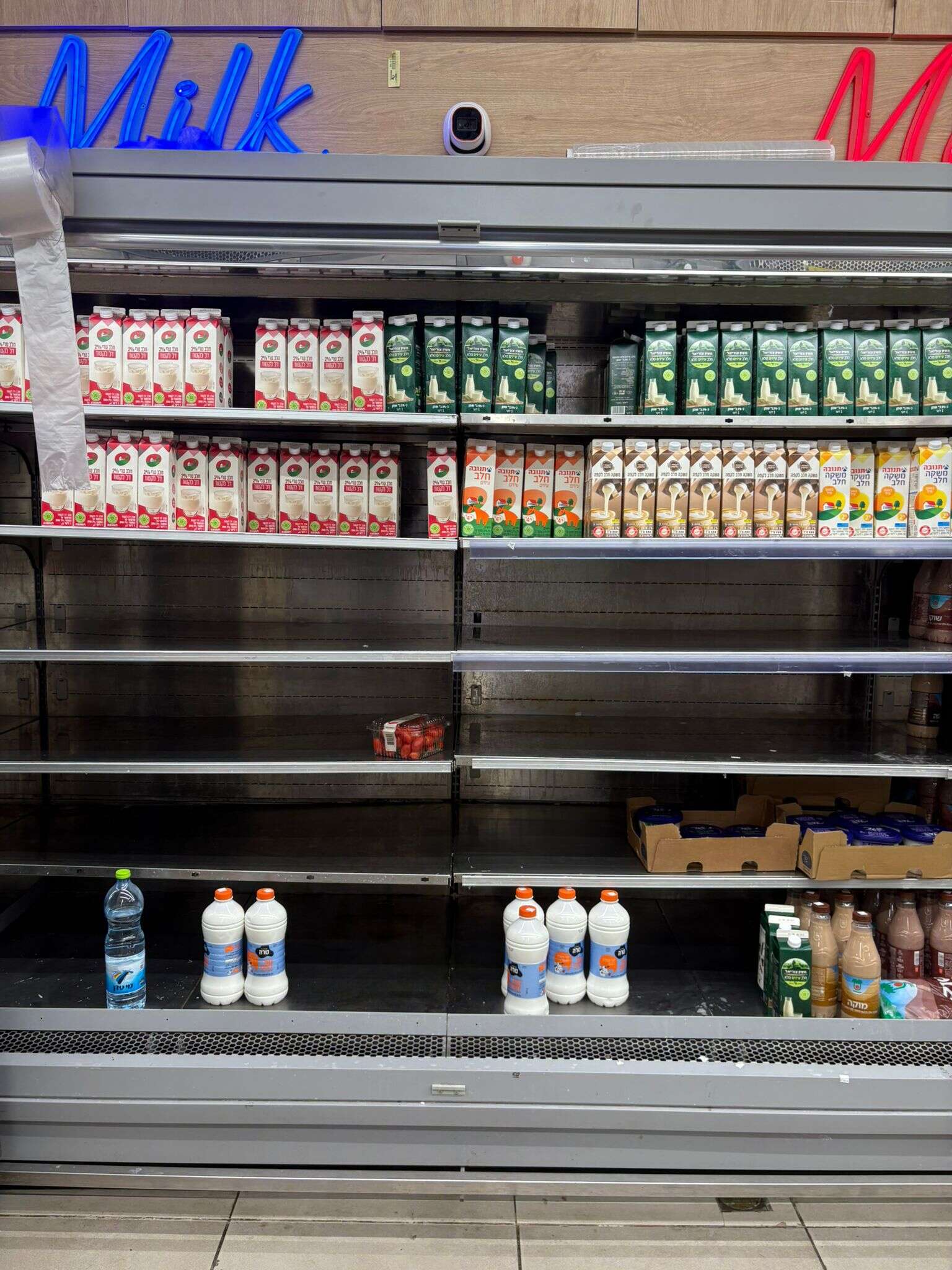
Officials say the solution must be systemic: stronger cooperation among authorities, increased oversight and enforcement, and real deterrence against criminal elements. Without immediate action, industry leaders warn, Israel could soon face a domestic milk shortage and a dramatic surge in prices.


