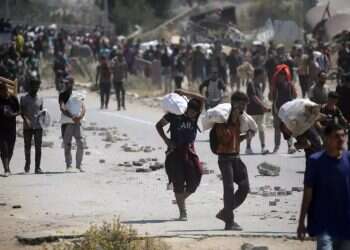
Israeli security officials voiced frustration over the government's decision to resume humanitarian aid to Gaza starting Monday, after initially stopping it in response to an incident in the Strip. The reversal, they said, came under US pressure.
The renewed aid will be allowed in despite a decision hours earlier by Israel's political leadership to suspend it following a serious escalation in Rafah, where Hamas terrorists violated the ceasefire deal, launching anti-tank missiles and small-arms fire at IDF troops.
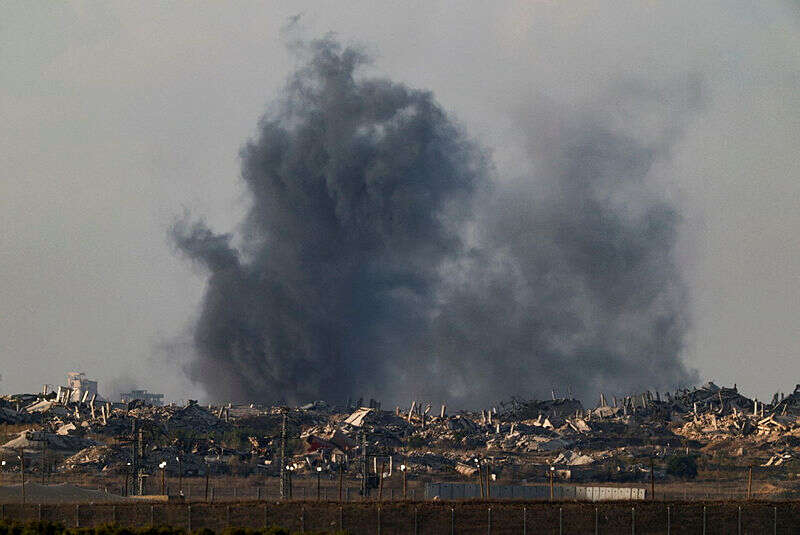
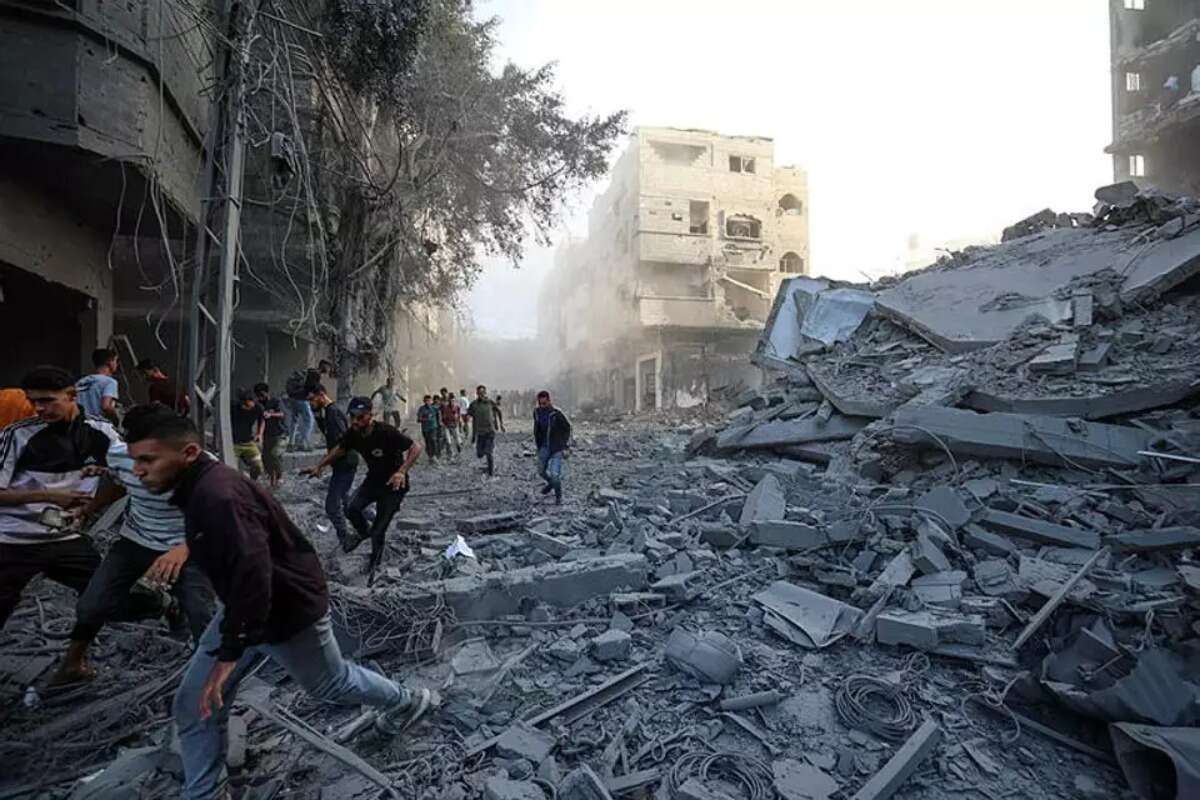
In response, Israel launched a wide-ranging retaliatory operation striking over 100 targets across the Strip. Alongside the strikes, Israeli officials decided to stop humanitarian aid shipments and keep the Rafah Crossing closed.
However, reports said that under intense pressure from the US, Israel walked back its decision within hours. While the Rafah Crossing will remain closed for now, humanitarian aid is expected to resume flowing into the Strip on Monday.
'We can't move an inch without US approval'
A senior Israeli security official expressed frustration over the developments. "If there was still any doubt about the extent of American involvement, tonight made it crystal clear: we can't move an inch in Gaza without their approval. Everything that goes against their wishes is rolled back."
He added: "Israel can't make its own decisions about Gaza. It's impossible to implement a 'Lebanonization' approach there in a positive sense, like the enforcement the IDF has carried out there in recent months. It's deeply troubling."
Following a series of major airstrikes and in accordance with directives from Israel's political leadership, the IDF has resumed enforcement of the ceasefire deal, which Hamas had blatantly violated. The IDF said it would continue to uphold the terms of the deal and respond forcefully to any further violations.
Meanwhile, Palestinian sources told Qatari media that international mediators had managed to restore the ceasefire, which was reportedly taking effect immediately. The sources also said talks were underway to establish mechanisms to address future violations.
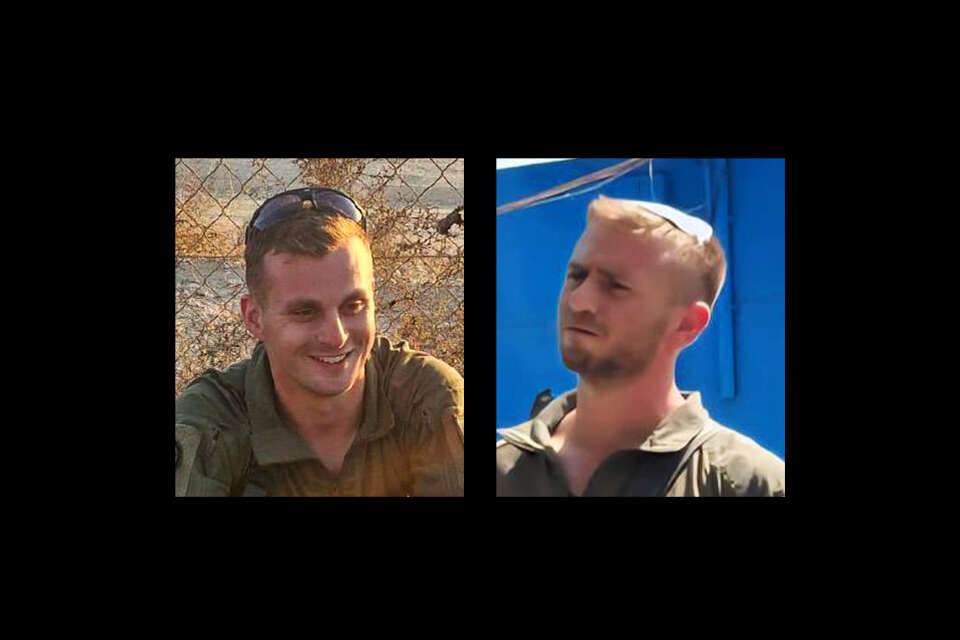
The incident in Rafah earlier resulted in the deaths of two IDF soldiers: Maj. Yaniv Kula and Staff Sgt. Itay Yavetz. Two other reservists were wounded. In response, the IDF struck dozens of Hamas terrorist targets across Gaza, including a six-kilometer underground tunnel used to hold hostages.
Prime Minister Benjamin Netanyahu's office said he had consulted with Defense Minister Israel Katz and other senior security officials and ordered forceful action against terrorist targets in Gaza. Katz declared: "Hamas will learn the hard way today that the IDF is determined to protect its soldiers."
Despite the major strikes and initial decision to halt aid, it appears US pressure tipped the scales, and Israel is now poised to resume humanitarian aid into Gaza.