Donald Trump warned Prime Minister Benjamin Netanyahu that Israel would lose all American support if the prime minister allows right-wing ministers to annex the West Bank, establishing the clearest US red line on Israeli territorial expansion despite Trump's extensive pro-Israel record, according to TIME.
Trump, who spoke with the magazine in mid-October, delivered an ultimatum to Netanyahu during a Saturday evening phone call on Oct. 4 that would terminate the Gaza conflict whether Israel's premier agreed or not, TIME reported. Through mediators from Qatar, Egypt and Turkey, Trump's envoys had crafted an agreement ending 24 months of bombardment and bloodshed, with the president informing Netanyahu of Monday's planned announcement, according to TIME. "Bibi, you can't fight the world," Trump recounted telling him to TIME. "You can fight individual battles, but the world's against you." When Netanyahu resisted, Trump unleashed an expletive-filled recitation of his pro-Israel record including the Jerusalem embassy relocation, Golan Heights sovereignty recognition, Abraham Accords facilitation, and participation in June's Iran strikes, according to TIME. "It was a very blunt and straightforward statement to Bibi," Trump's special envoy to the Middle East Steve Witkoff told TIME, "that he had no tolerance for anything other than this." By call's end, Netanyahu accepted a two-stage pact establishing ceasefire terms, hostage-prisoner exchanges, humanitarian aid access, partial Israeli withdrawal from Gaza, and negotiations for permanent settlement, TIME reported.
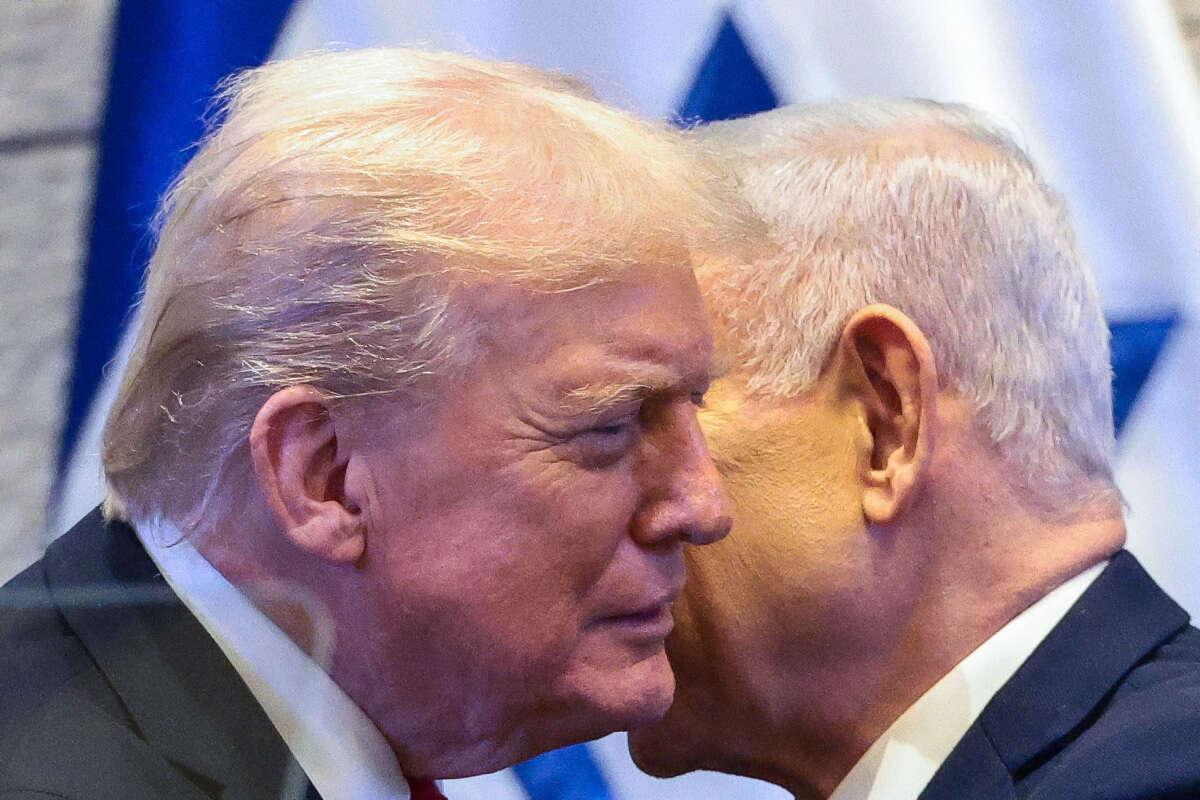
This agreement marks a pivotal moment in Trump's ongoing Middle East restructuring, TIME reported. Over nine months, the president attacked Iran's nuclear capabilities, degraded Tehran's regional standing, accelerated Assad's fall in Syria, prompted new Damascus and Beirut governments to seek Washington ties, bombed Houthi positions in Yemen to secure Red Sea shipping protections, and now deployed real estate dealmaker instincts to impose peace on Hamas and Netanyahu despite their seeming intractability, according to TIME. "Trump is coming back and saying: We're going to re-establish America's hegemony here. And he's done it – so far," historian and former Israeli ambassador to the US Michael Oren told TIME. Trump credits his willingness to employ American military force for these achievements, pointing to assassinating Iranian general Qasem Soleimani in his first term and striking three Iranian nuclear facilities last spring as actions that earned Israeli public goodwill while instilling fear in regional adversaries, TIME reported. "It would have been impossible to make a deal like this before," Trump told TIME about his Iran operations. "No President was willing to do it, and I was willing to do it. And by doing it, we had a different Middle East."
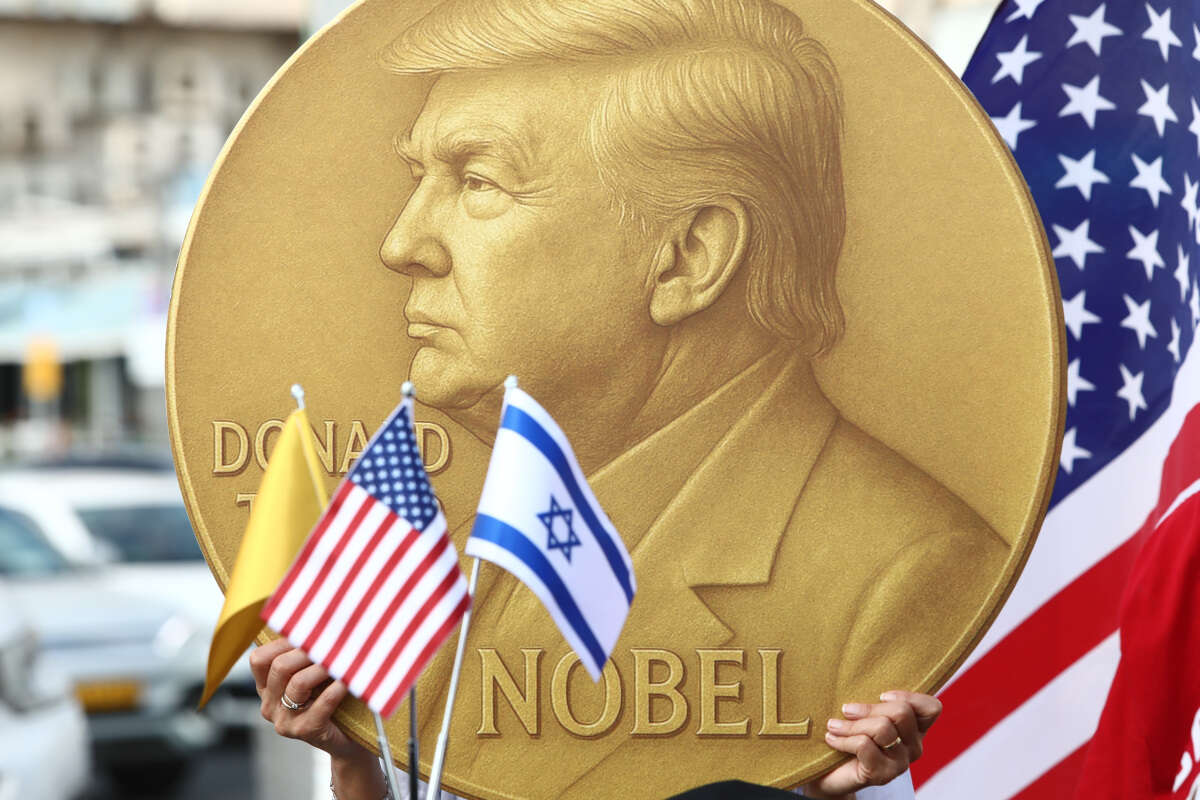
Yet the ceasefire's fragility remains evident, with Hamas not returning all deceased Israeli hostages' remains, prompting Israel to close Rafah crossing and restrict aid, while social media footage shows Hamas gunmen executing rivals publicly, TIME reported. Israel accused the group of ceasefire violations on Oct. 19 after attacks on Israeli soldiers, with circumstances growing precarious enough within one week that Trump dispatched Vice President J.D. Vance regionally to preserve the agreement, according to TIME. Phase Two presents even thornier challenges encompassing Israeli military withdrawal scope, peacekeeping force structure, Hamas disarmament and postwar Gaza governance determination, TIME reported.
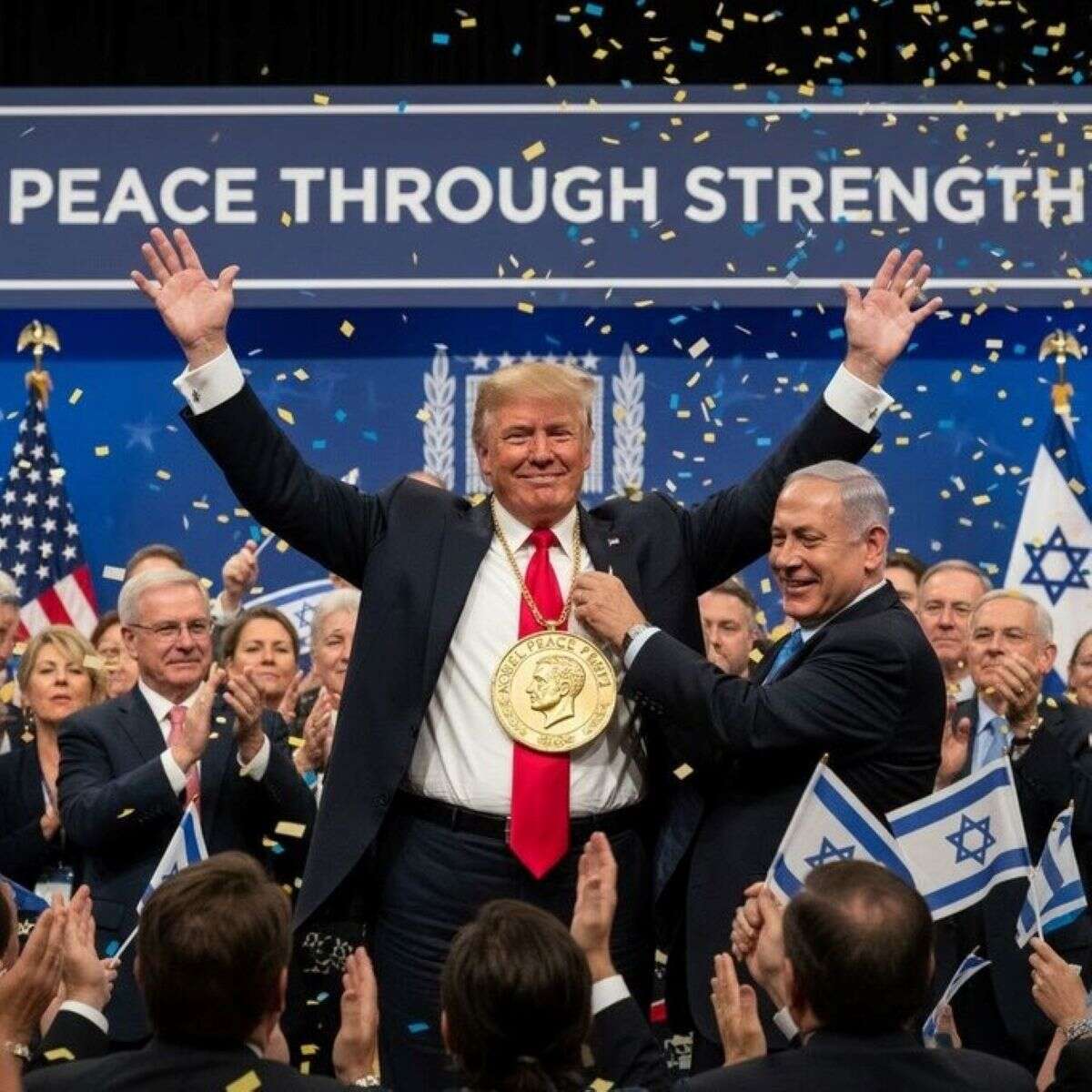
Trump anticipates Saudi Arabia will normalize relations with Israel and join Abraham Accords by year's end, plans to visit Gaza soon as partners develop reconstruction strategies, and envisions expanded economic integration including Mediterranean-to-Persian Gulf rail lines, Israel-neighbor free-trade agreements, new regional energy grids, and Saudis vacationing in Tel Aviv, according to TIME. Trump's account positions this regional reset as impossible without one essential ingredient, TIME reported. "The most important thing," Trump told TIME, "is they have to respect the President of the United States. The Middle East has to understand that. It's almost the president more than the country." Israeli forces struck Iran's nuclear installations in June, alarming a White House fearing the campaign would derail diplomatic efforts, yet Netanyahu through careful planning enlisted Trump to join the strikes, a senior Israeli official told TIME anonymously. During their February meeting, Netanyahu had agreed to give Trump 60 days for Iranian nuclear talks, expecting they'd fail, and when negotiations produced no resolution, Netanyahu launched the attack, initially frustrating Trump before he warmed to joining strikes after seeing their impact and concurring with Netanyahu's assessment that Iranians were manipulating him, according to TIME. Trump unleashed US bunker-buster bombs on June 22 that crippled Iran's nuclear infrastructure.

Netanyahu then targeted Hamas leaders in Doha, creating a crisis that Jared Kushner and Witkoff resolved not to waste, according to TIME. "We had an opening," Kushner told TIME. "It's just an element of how the President thinks." Working UN General Assembly circuits, the pair developed a 20-point framework with Qatari mediators, Egyptian and Turkish intermediaries, and Israeli officials demanding immediate ceasefire, hostage exchange, Israeli security guarantees, Gaza demilitarization, and new civilian governing authority, TIME reported. When the document reached Trump, he scheduled a Rosh Hashanah meeting with Arab state leaders at the UN, opening with an extended monologue about ending killing and achieving lasting peace before soliciting each leader's counsel, with Prince Faisal representing Saudi Crown Prince Mohammed bin Salman and King Abdullah of Jordan voicing framework support, according to TIME. Regional leaders including Turks and Qataris helped pressure Hamas, with Turkey offering Hamas political leaders protection from Israeli strikes if they negotiated, according to Turkish scholar at Washington Institute for Near East Policy Soner Cagaptay, who told TIME, "Turkey has quite a bit of sway over Hamas' political wing, and I think Ankara used that influence." Trump applied pressure too, warning the group would face "complete obliteration" if it refused to disarm or subverted the deal, demanding return of every Israeli captive immediately rather than in stages, TIME reported. "I said, 'No more of that. You're giving us the f-cking hostages, all of them,'" Trump told TIME.
"It could have gone on for years. It would have gone on for years. But I stopped him, and everybody came together when I stopped him," Trump said about Netanyahu's prosecution of the war. Yet Israelis and Palestinians recognize Phase Two's success depends on Trump's engagement through his Netanyahu leverage and regional influence, with former Palestinian Authority negotiator Khaled Elgindy telling TIME, "If the guarantors of this process want it to succeed, it will succeed, particularly the Trump Administration."
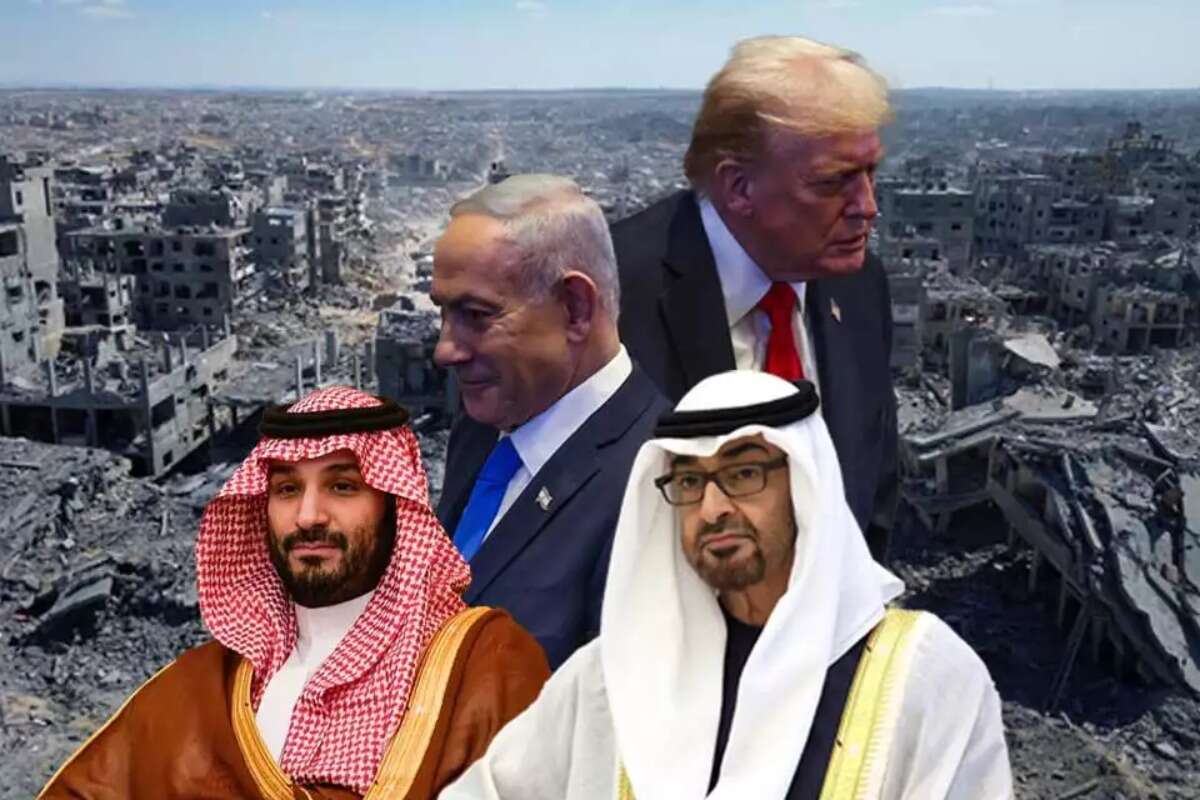
Trump may care little about postwar Gaza governance specifics if he can claim peacemaker credit, yet negotiating proves difficult without unified Palestinian leadership, a dynamic Netanyahu cultivated by keeping Hamas in Gaza and Fatah-led Palestinian Authority in West Bank divided, TIME reported. "They don't have a leader right now," Trump told TIME. "At least a visible leader. And they don't really want to, because every one of those leaders has been shot. It's not a hot job." Trump told TIME he likes Palestinian Authority head Mahmoud Abbas but suggests he's unlikely suitable for governing postwar Gaza, with one option being Israel releasing imprisoned Fatah leader Marwan Barghouti, who spent over two decades behind bars for directing four Israelis' and one Greek Orthodox monk's murders during Second Intifada, according to TIME. "So I'll be making a decision," Trump says, presumably on whether to force Israel to release him from prison.
Netanyahu, meanwhile, faces right-wing minister rebellion seeking to block Palestinian statehood paths and annex West Bank, with Trump warning such moves would meet fierce US resistance, telling TIME, "It won't happen because I gave my word to the Arab countries. Israel would lose all of its support from the United States if that happened."

"Israel was so intent on the hostages, I was actually surprised," Trump told TIME. "You would have thought they would have sacrificed the hostages in order to keep going, right? The people of Israel wanted the hostages more than they wanted anything else. And we got the hostages."
The question extends beyond the deal's fragile architecture surviving to whether Trump can sustain focus required for transforming temporary fighting pause into permanence, demanding the relentless attention Jimmy Carter brought to Camp David through long nights, endless details and exhausting diplomacy, according to TIME. When asked if new regional dynamics can outlast him, Trump responded without hesitation to TIME, "While I'm there, it's going to only get better and stronger, and it's going to be perfect. What happens after me? I can't tell you that."