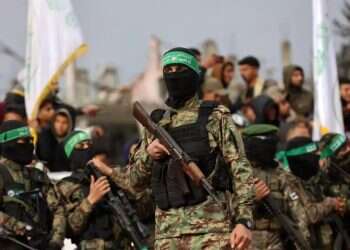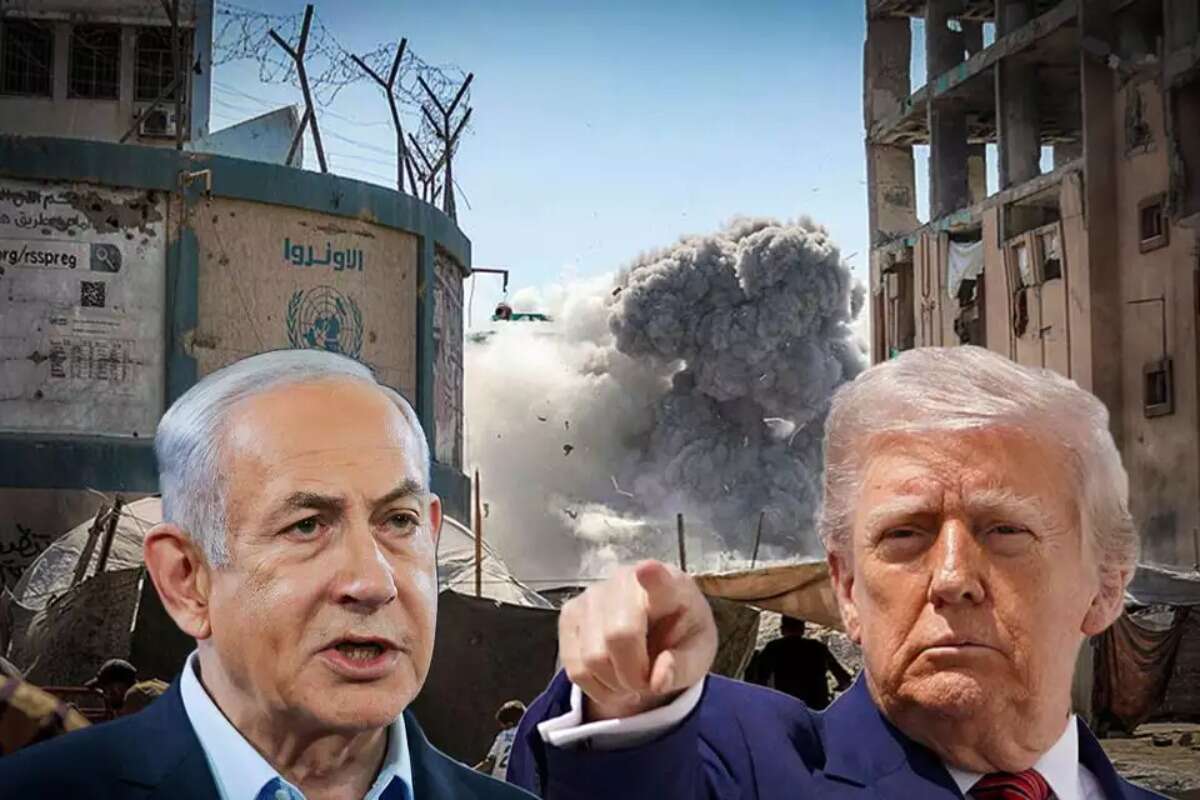
Israel and Hamas are under heavy US pressure to prevent the collapse of the ceasefire. In talks at several levels, and especially at the ministerial level, the Americans conveyed the message that the arrangements must not be broken.
Among other things, the Americans oppose a substantive change to the yellow line separating the territory under IDF control from the rest of the strip, and they oppose a ground entry by the IDF, even a raid framed as a retaliatory action for Hamas violations.

A US source told Israel Hayom that although it is clear Hamas breached the ceasefire on the issue of the hostages and fired at an IDF force in the southern strip, an excessively severe Israeli response would stop the entire process toward ending the war. According to him, there still is a chance to fully implement the Trump plan and to bring about the disarmament of Hamas and the entry of a different governing body. "From Israel's point of view it is also preferable to achieve its goals without a resumption of fighting and without loss of life, soldiers and Palestinians."
There are, however, disagreements among senior officials in the US administration on the issue. The military level and the War Department, which are updated directly by Israel on developments, including on the joint base near Kiryat Gat, characterize Hamas violations as substantial. US envoy Steve Witkoff, who is managing contacts with Hamas and the mediators, is leading the line that seeks to limit the Israeli response and preserve the ceasefire and the continuation of the process, at almost any cost.
Targets for targeted killings
In Israel there is debate over the scale of the response, which began, as expected, with airstrikes and long-range tank fire. The military presented, at the security consultation convened by the prime minister, a list of targets for strikes, including territory targets and targets for targeted killings. Maps were also shown for a new IDF deployment beyond the yellow line at several key points. These include dominant zones, strategic points in Gaza City and areas surrounding populated zones.
The IDF was given conceptual approval for the steps presented, and authorization for immediate air operations including targeted killings.
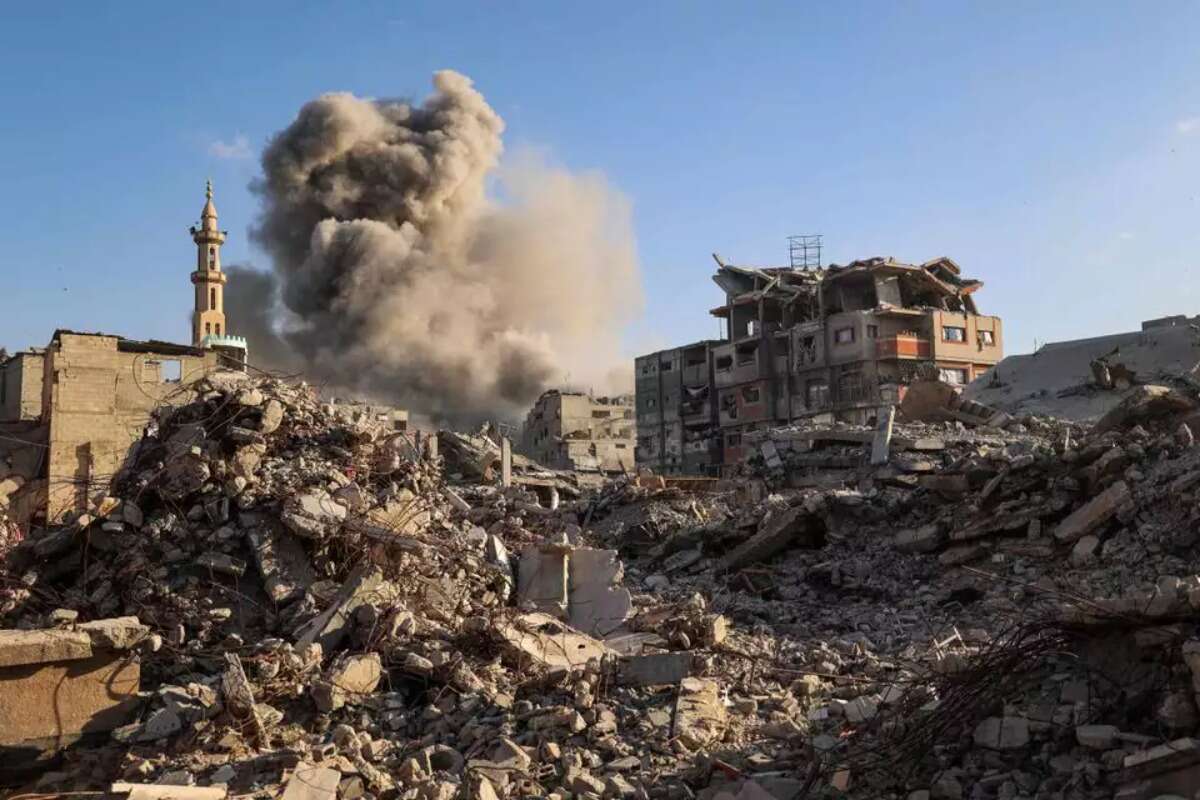
After the consultation an update call was held with the Americans, during which the warning to Israel was voiced not to go too far. The Prime Minister's Office published the following statement after the call: "After the security consultations, Prime Minister Netanyahu instructed the military echelon to carry out immediate powerful strikes in the Gaza Strip." A laconic, general statement that reflects the tension with the Americans.
On the hostages issue Hamas did not provide an explanation for the deception that was exposed when it planted parts of a body at a search site and later "discovered" it together with Red Cross personnel. It reported that it found two additional bodies, one in the southern strip and another in the Nuseirat refugee camp in the center. In Israel officials say that in at least one of the cases the body had already been in Hamas's possession and was now being presented as if it had been "found."
According to security sources, Hamas has at least eight deceased hostages ready for immediate handover. The assessment is that Hamas is holding them as bargaining chips for the future and that it seeks to buy time to delay further implementation of the Trump plan.