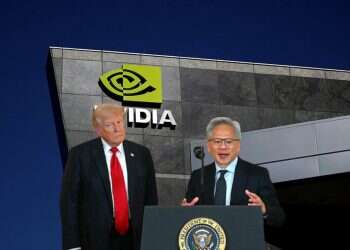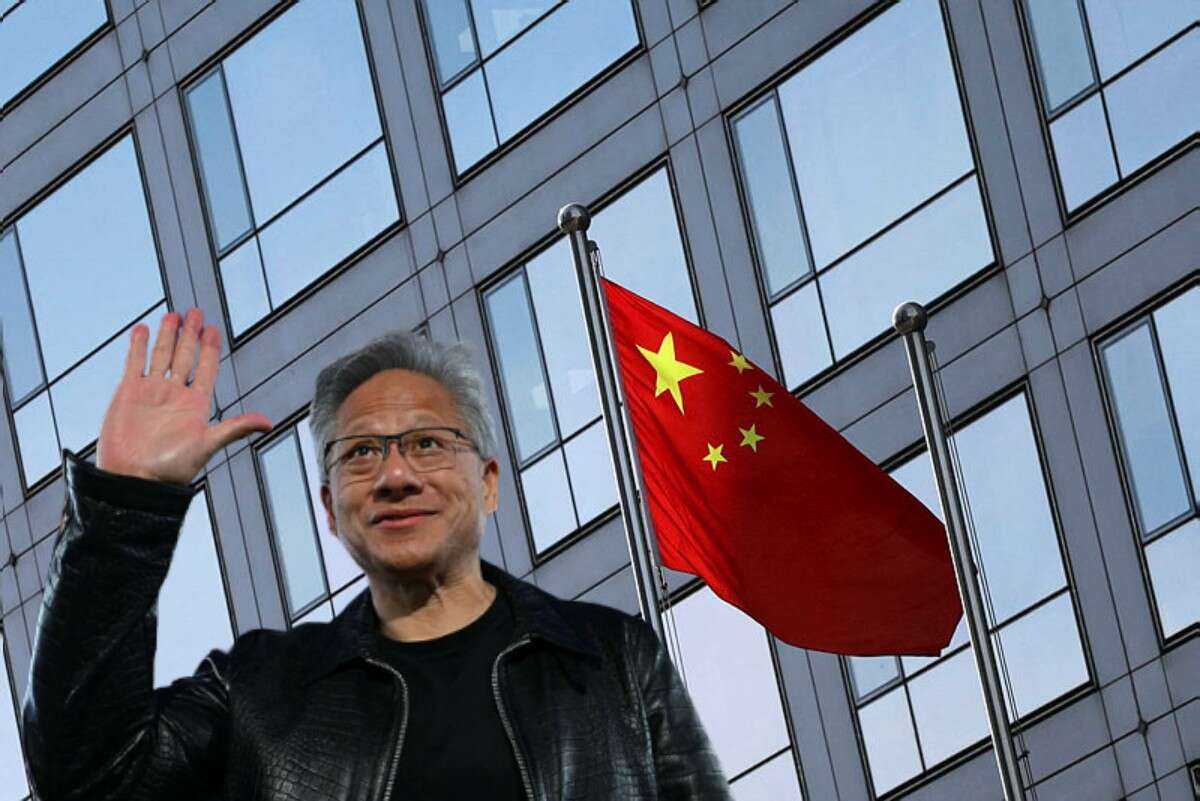
Beijing's victory in the artificial intelligence race appears inevitable due to energy subsidies and streamlined regulations, Nvidia chief executive Jensen Huang warned Wednesday, delivering his starkest assessment yet of the competitive landscape. "China is going to win the AI race," Huang told the Financial Times at its Future of AI Summit, citing Chinese government support that makes power costs essentially negligible for technology companies while the US grapples with potential regulations across 50 states.

The warning from the world's most valuable company leader follows the Trump administration's decision to maintain restrictions on Nvidia selling advanced chips to China after President Donald Trump met with Chinese leader Xi Jinping last week, Financial Times reported. Huang contrasted Chinese energy subsidies with American "cynicism" that he says impedes progress, stating "We need more optimism" about AI development. "Power is free," the Nvidia executive observed regarding Beijing's support for data centers operated by ByteDance, Alibaba and Tencent.
Financial Times disclosed this week that Chinese authorities expanded energy subsidies for major data facilities after technology firms complained about costs associated with domestic semiconductors from Huawei and Cambricon, which consume more electricity than Nvidia processors. Local governments increased these incentives to offset the efficiency disadvantages of Chinese-manufactured chips compared to American alternatives.

Huang has previously urged Washington to permit broader chip sales to keep global markets dependent on US technology, warning that American AI models maintain only narrow leads over Chinese competitors, according to Financial Times. However, Trump told CBS following his meeting with Xi that "The most advanced, we will not let anybody have them other than the United States," reaffirming that Washington "will let them deal with Nvidia but not in terms of the most advanced" Blackwell processors.
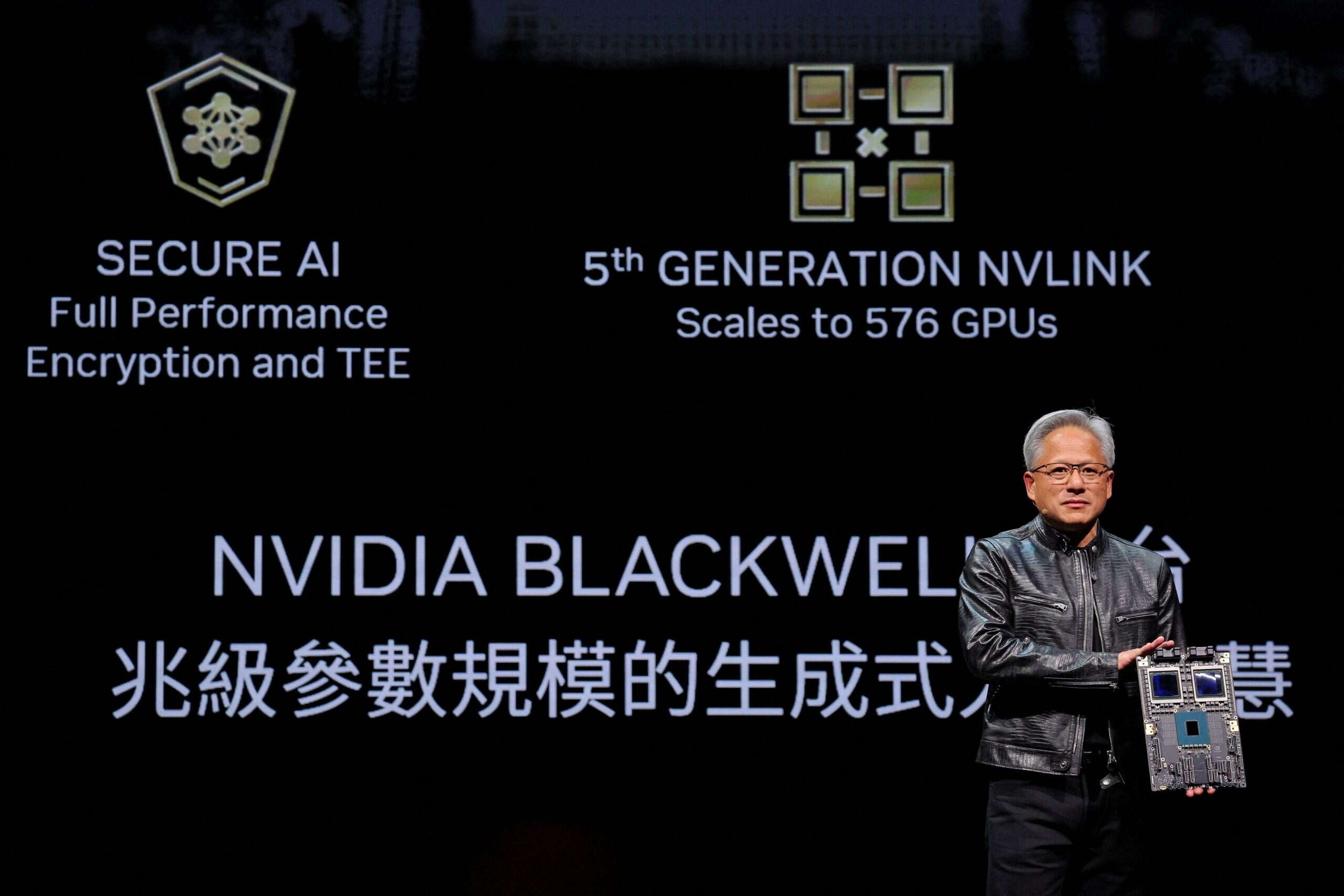
Nvidia's market capitalization hit $5 trillion last week after Trump suggested potential discussions with Xi about Blackwell chips during a South Korea visit, though the topic never arose in their actual conversation, Financial Times reported. The US president had indicated in August that "It's possible I'd make a deal" on a version "enhanced in a negative way," suggesting willingness to permit sales of deliberately limited processors. These comments followed agreements by Nvidia and AMD to pay Washington 15% of Chinese revenues from existing AI chip sales, though regulations enabling such transactions remain unimplemented.
American concerns over Chinese AI progress intensified after DeepSeek's January release of a sophisticated language model sparked debate about whether better-funded US companies including OpenAI and Anthropic could defend their technical advantages, Financial Times noted. The small Chinese laboratory's breakthrough demonstrated capabilities that challenged assumptions about American dominance in artificial intelligence development.