


The head of Iran's Water Industry Federation warned on Saturday that the water situation in Tehran is "more alarming" than Iranian President Masoud Pezeshkian has admitted, saying that most of the capital's water sources have already dried up or are close to depletion.
Reza Haji Karim told the news website Iran Watch that "the reality is that the water situation in Tehran is as worrying, if not more, than what the president has warned about." He stressed that "the president's warning came too late."
Last week, Pezeshkian cautioned that if no rain falls in December, water will be rationed in Tehran, and if the drought continues, the city may have to be evacuated.
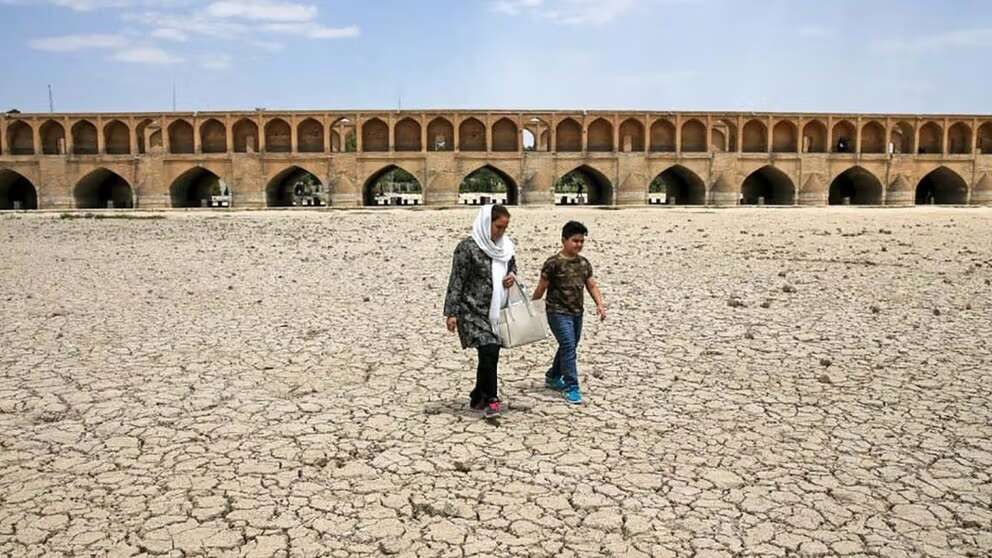
Amid severe water shortages in many Iranian provinces, Mohsen Ardekani, director-general of the Tehran Water and Sanitation Authority, described the capital's situation as "critical and concerning."
Referring to the "sharp decline in groundwater levels," Haji Karim said that 62 percent of Tehran's water supply now comes from underground sources and 38 percent from surface reservoirs – almost all of which have either completely dried up or are on the verge of doing so.
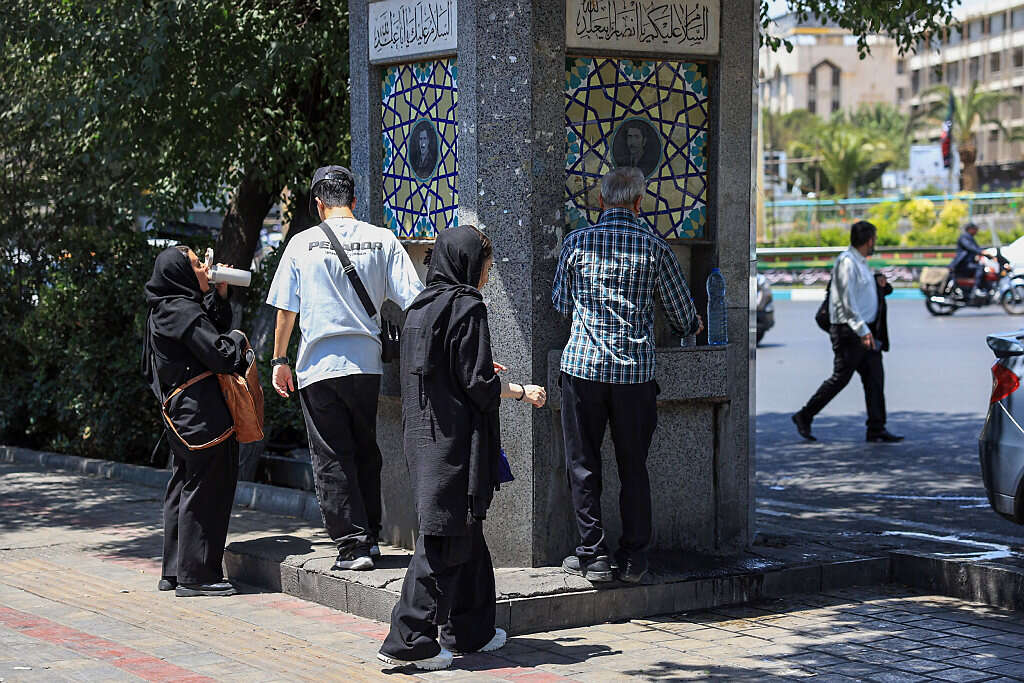
He also questioned the official statistics about Tehran's water reserves, saying that the claim that reservoirs still hold an average of five percent of their capacity "is not very realistic, the real situation is somewhat more frightening than official data suggest."
While several Iranian media outlets have reported informal water rationing already underway in Tehran, Haji Karim said it "should have started much earlier." He added that in meetings with water officials across the country, his federation had called for rationing to begin sooner, "even though this measure has its own problems." The goal, he said, is to "cut off water – and sometimes electricity – in specific parts of the city at designated hours."
Tehran's water crisis, an environmental disaster of the Islamic Republic's own making, stems from years of mismanagement by the regime and its refusal to invest in developing new water sources for the sprawling metropolis.

