Austrian prosecutors filed an indictment Wednesday against retired Brigadier General Khaled al-Halabi, a former senior Assad regime intelligence officer, charging him with war crimes and torture during the suppression of Syria's uprising in Raqqa from 2011 to 2013.
The indictment alleges al-Halabi, 62, evaded capture for years in European cities with assistance from Western intelligence agencies – including Mossad, for which he allegedly served as a double agent while actively serving in the Assad regime.
Al-Halabi was arrested in December in Austria after a 12-year manhunt. Alongside him, Lieutenant Colonel Mua'sab Abu Ruqba, 53, who served as head of criminal investigations in Syrian intelligence in Raqqa, was also charged, though his custody status remains unclear. Both deny the abuse allegations through their attorneys.
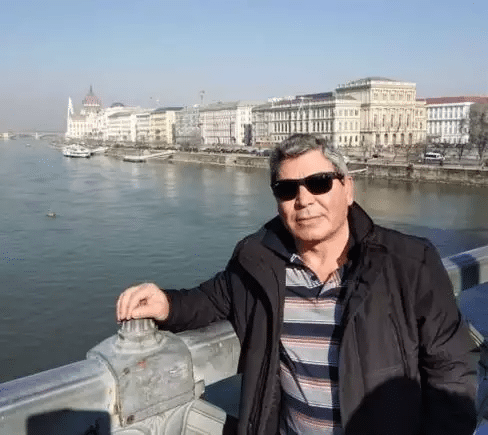
This represents Austria's first indictment against senior Assad regime officials, joining similar prosecutions in Germany and Sweden. Prosecutors identified 21 victims tortured by al-Halabi and his team, many testifying about severe beatings and electrocutions carried out by his operatives at Branch 335 of Syrian State Security in Raqqa, which he commanded from 2008.
Al-Halabi, from Syria's Druze community, served extensively in the Syrian military and hails from Sweida near Damascus. He joined the intelligence services in 2001 and was appointed to lead Branch 335 of State Security in Raqqa in 2008. When anti-Assad protests erupted in March 2011 during the Arab Spring, his unit spearheaded activist arrests and interrogations designed to expose protest organizers and prevent documentation from reaching international media.
Dr. Obada Alhamada, a 39-year-old physician who helped organize protests and ran a secret clinic for wounded activists, said he was arrested at gunpoint in February 2012 and tortured throughout the night in al-Halabi's private office. "His mistake was removing my blindfold," Alhamada told The New York Times, recounting how he was stripped and beaten with a bat or pipe by Abu Ruqba, who demanded activist names from the uprising.
According to The New York Times report citing the indictment and Syrian organizations, Halabi operated as a double agent for Mossad before escaping Syria in 2013 to Paris, aided by Mossad and Austrian intelligence, who transported him by vehicle across Europe and sheltered him in a safehouse.