Haytham 'Ali Tabataba'i, the target of the assassination strike in the Hezbollah stronghold in Beirut on Sunday, is one of the most mysterious figures in Hezbollah. Following a chain of eliminations among the terror organization's senior leadership, he was considered one of the most prominent commanders. As of Sunday afternoon, it was still unclear if he had survived the Israeli strike.
The US government previously offered a $5 million reward for information on him. This commander headed the organization's special forces in Syria and Yemen. While in this role, he provided assistance to pro-Iranian militias and the Houthis.
Haytham 'Ali Tabataba'i was designated an international terrorist with a special classification as early as 2016. The US government's website stated, "Tabataba'i's actions in Syria and Yemen are part of a larger Hizballah effort to provide training, materiel, and personnel in support of its destabilizing regional activities."

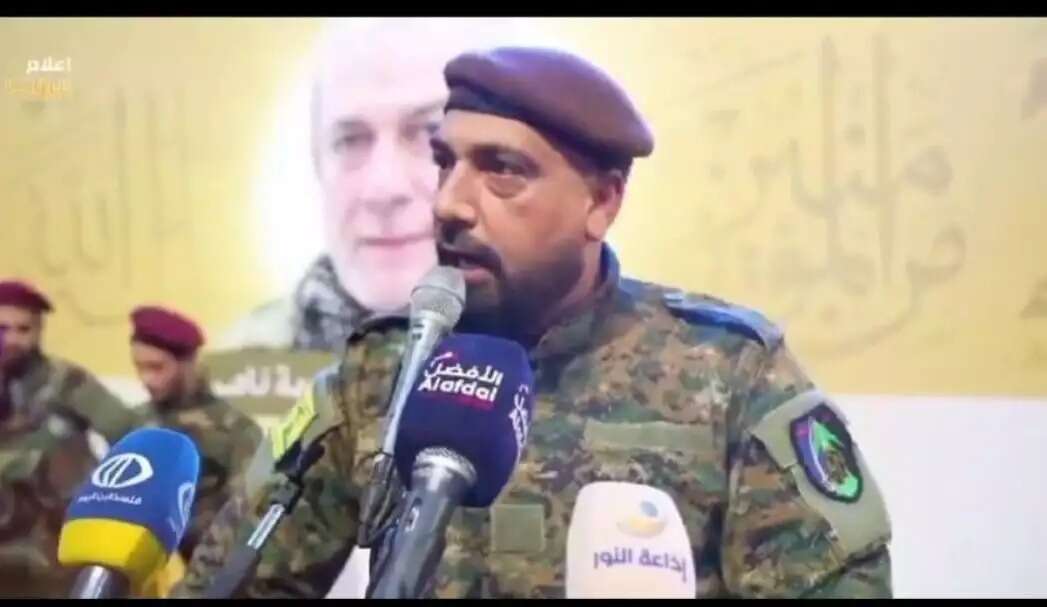
In recently published footage from the funeral of the commander of the Aziz Unit in Beirut, a Hezbollah operative was seen whose face bore a resemblance to the identity of Tabataba'i. That same operative wore the emblem of the Radwan Elite Force.
Haytham Ali Tabatabai is described as "Hezbollah's chief of staff." During the war on the northern front, the previous commanders considered "chiefs of staff" – Fouad Shukr and Ibrahim Aqil – were assassinated. Another senior commander eliminated along with the organization's secretary general, Hassan Nasrallah, was Ali Karaki. Among the senior figures who have survived in the organization thus far is the current secretary general, Naim Qassem, a bland, charisma-less figure. Another senior official is Talal Hamiyah, who leads Unit 910. This unit is responsible for overseas terrorist activities, including attacks against Western targets. In addition to them, Mohammad Haydar, who is considered a "military advisor" in the terror organization and whose status also rose following the series of eliminations, can be mentioned.