


The Gold Online reports that a 66-year-old Japanese retiree named "S" won 600 million yen ($3.8 million) and hid it from his frugal wife. The couple lived in Tokyo on a 300,000 yen ($2,000) monthly pension with 27 million yen ($174,000) in savings while supporting two children.
S bought 300 yen ($2) tickets daily after reading newspapers at a coffee shop until he hit the jackpot. His shock was immediate: "This does not feel real. The number is so huge, I am even a bit scared," he said. He reasoned the win was rare, noting, "I heard the odds of winning are lower than being struck by lightning. This is just an experience in my life."

His wife's strict budgeting, which banned beer and limited him to a cheap car, drove S to deceive her. He claimed he won only 5 million yen ($32,000) for home renovations. Resenting her penny-pinching, he used the lie to bypass her financial control and avoid embarrassment.
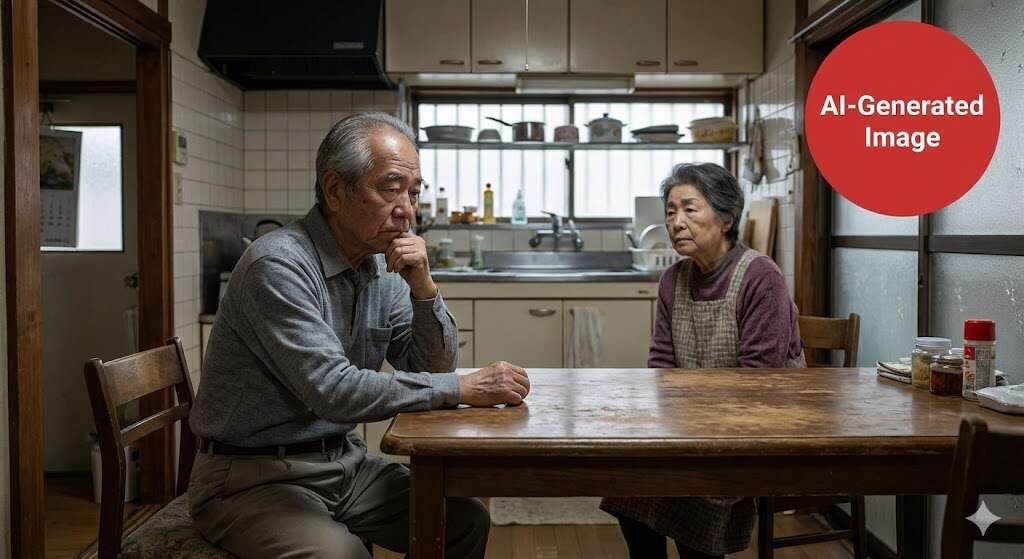
A secret life of luxury consumed 18 million yen ($116,000) in six months. S bought a high-end car, toured Japan, and stayed at plush hot spring resorts. To maintain the ruse, he wore old clothes, avoided friends, and took the subway to a separate parking lot to drive his hidden vehicle.
Isolation and guilt grew as he watched other families and remembered his father's lonely death after bankruptcy. S concluded the money was toxic, stating, "If this money had been earned through my own efforts, I would be proud of it. But wealth that comes without effort brings up unpleasant memories and shakes my life."
He consulted a financial planner and directed nearly 500 million yen ($3.2 million) into insurance policies for his wife and children. The story ignited online debate about money's impact. One online observer said: "For ordinary people, sudden wealth often does not bring happiness, but rather a clash of values and an identity crisis."


